Project Overview
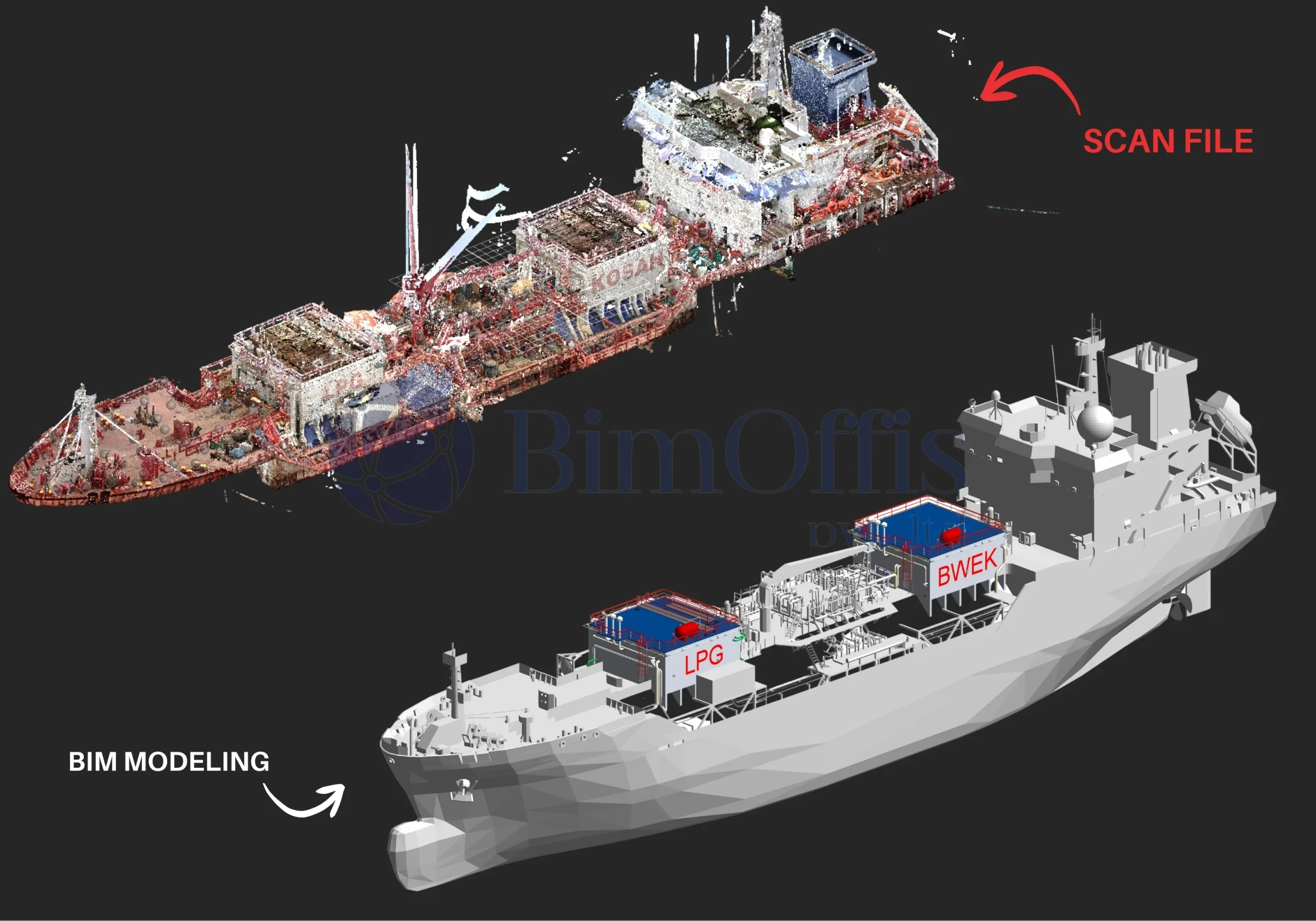
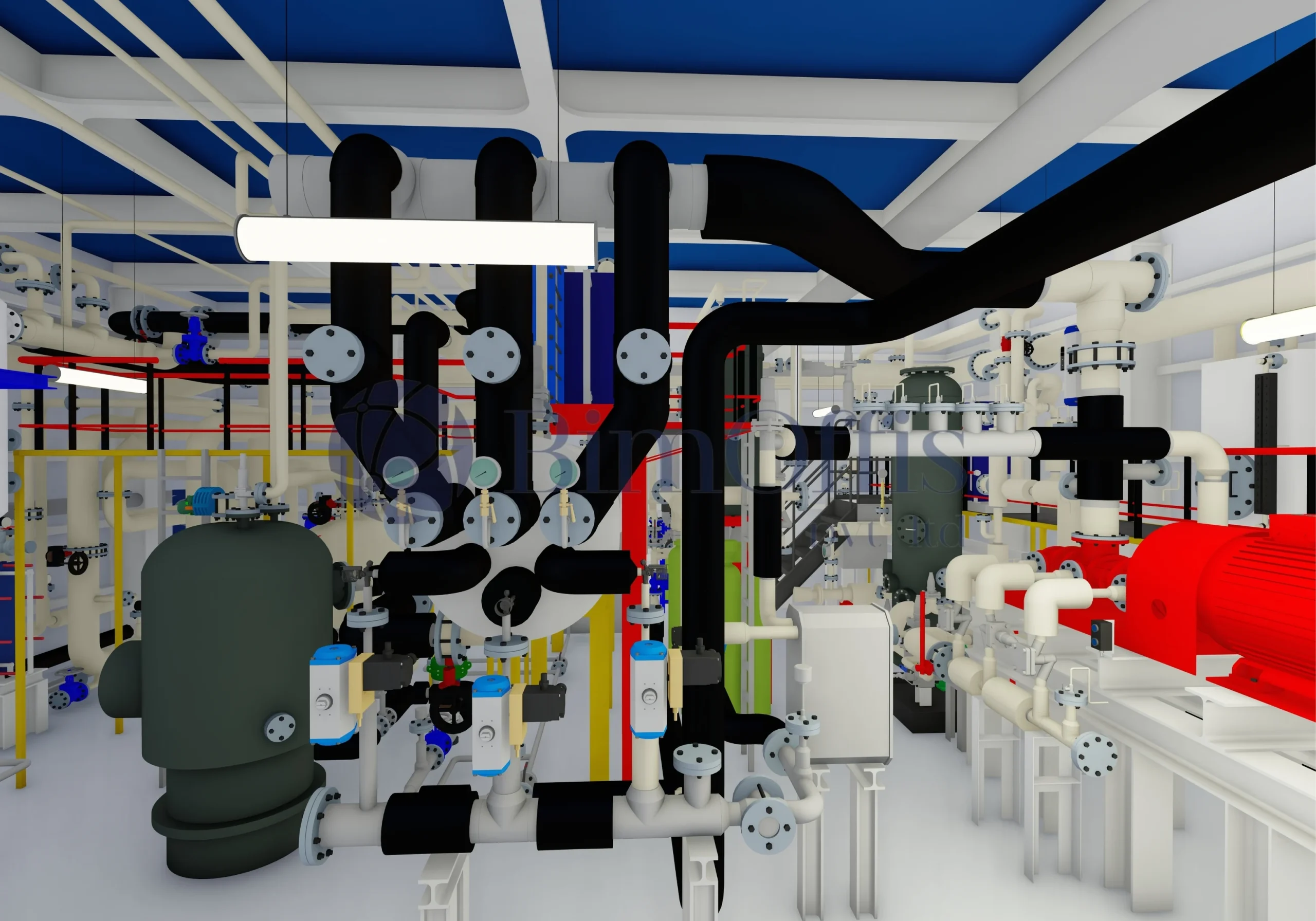
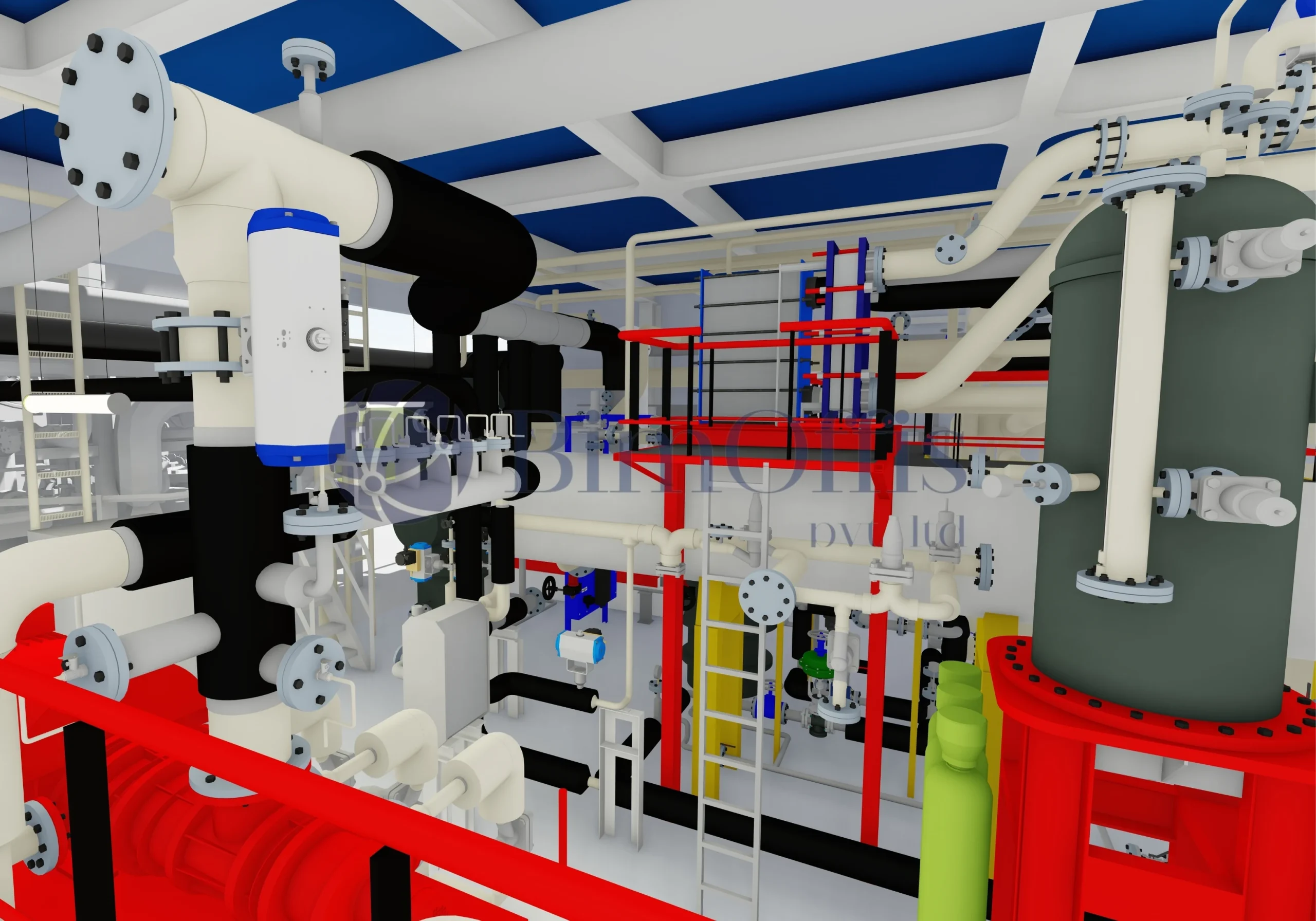
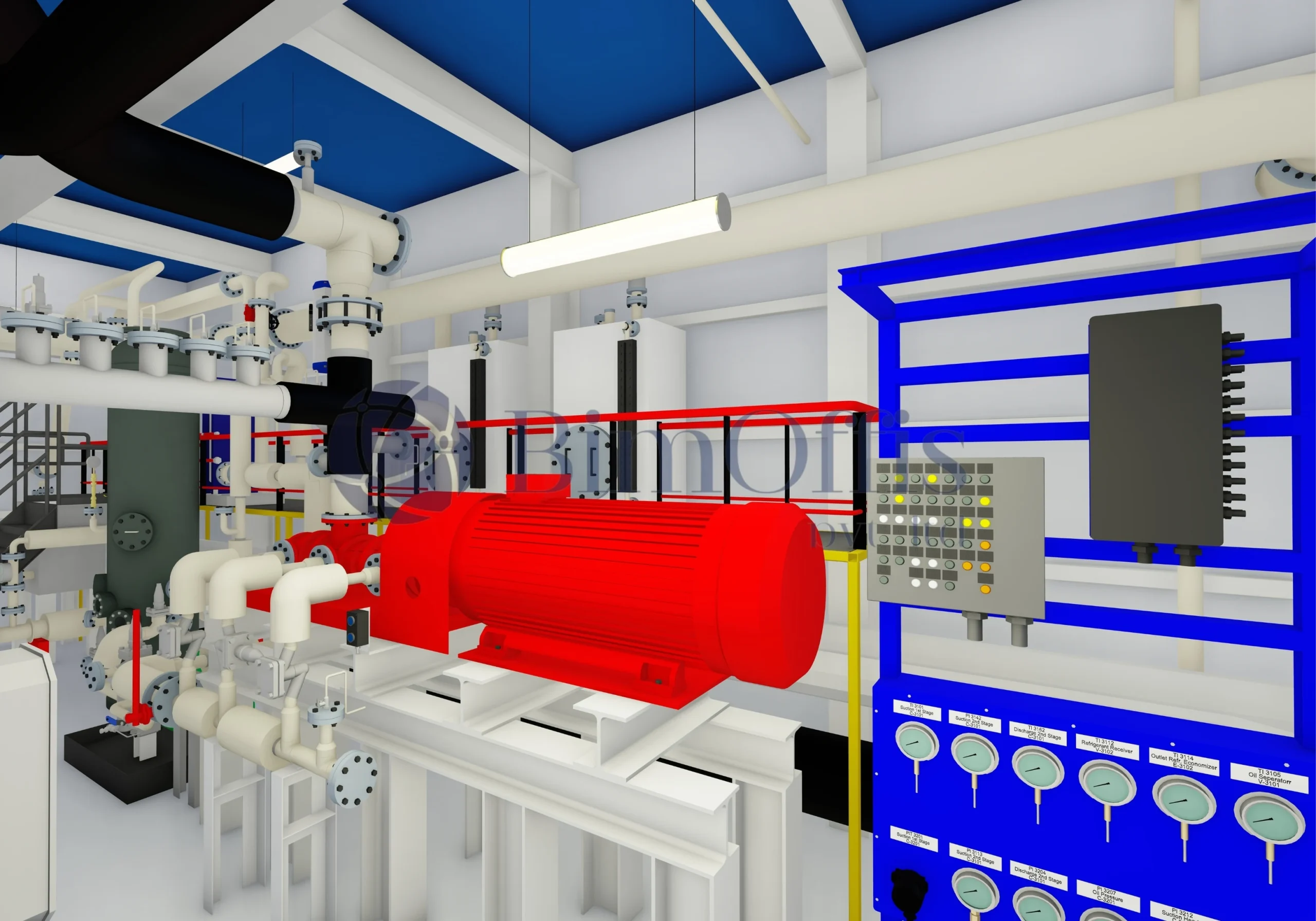
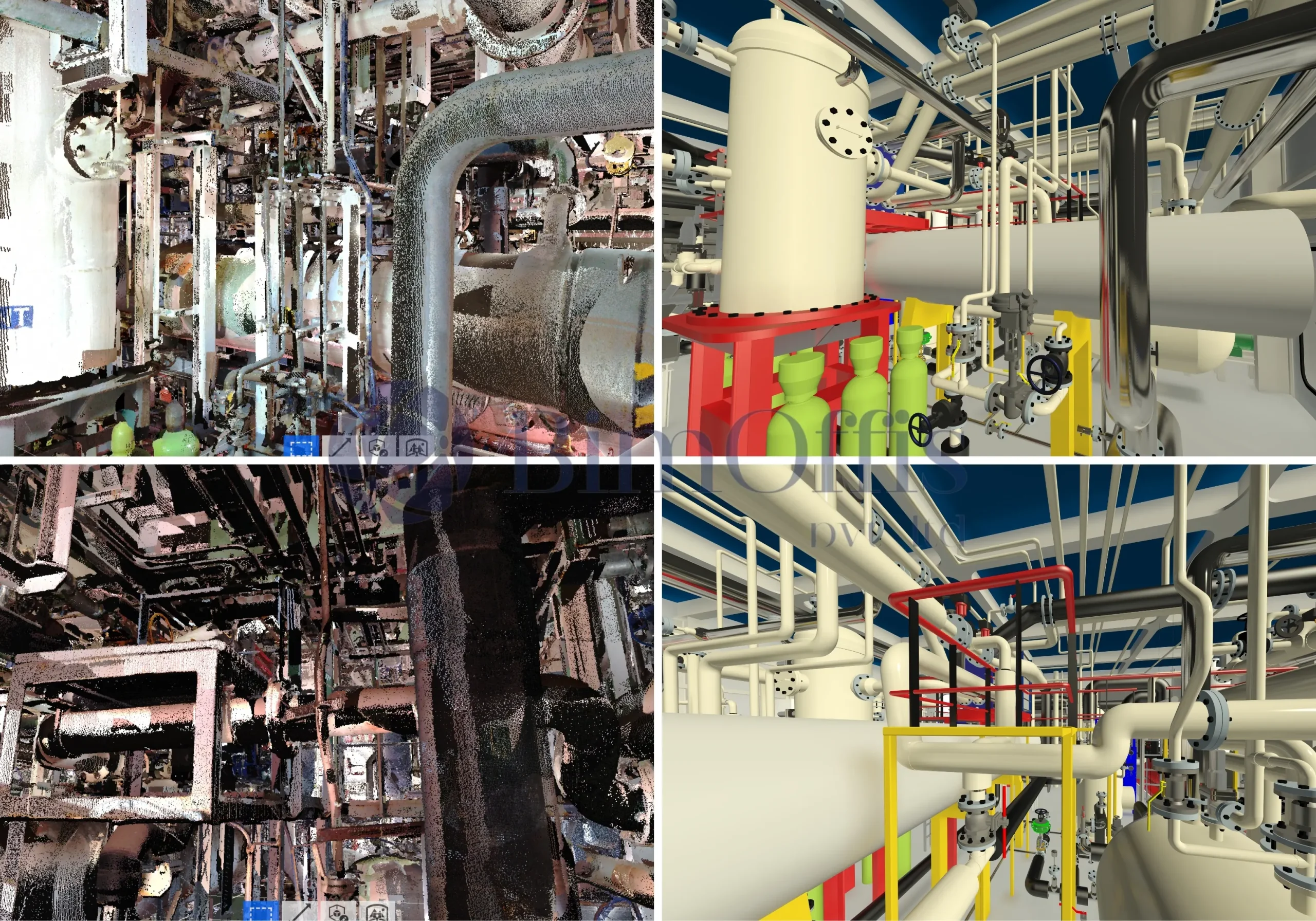
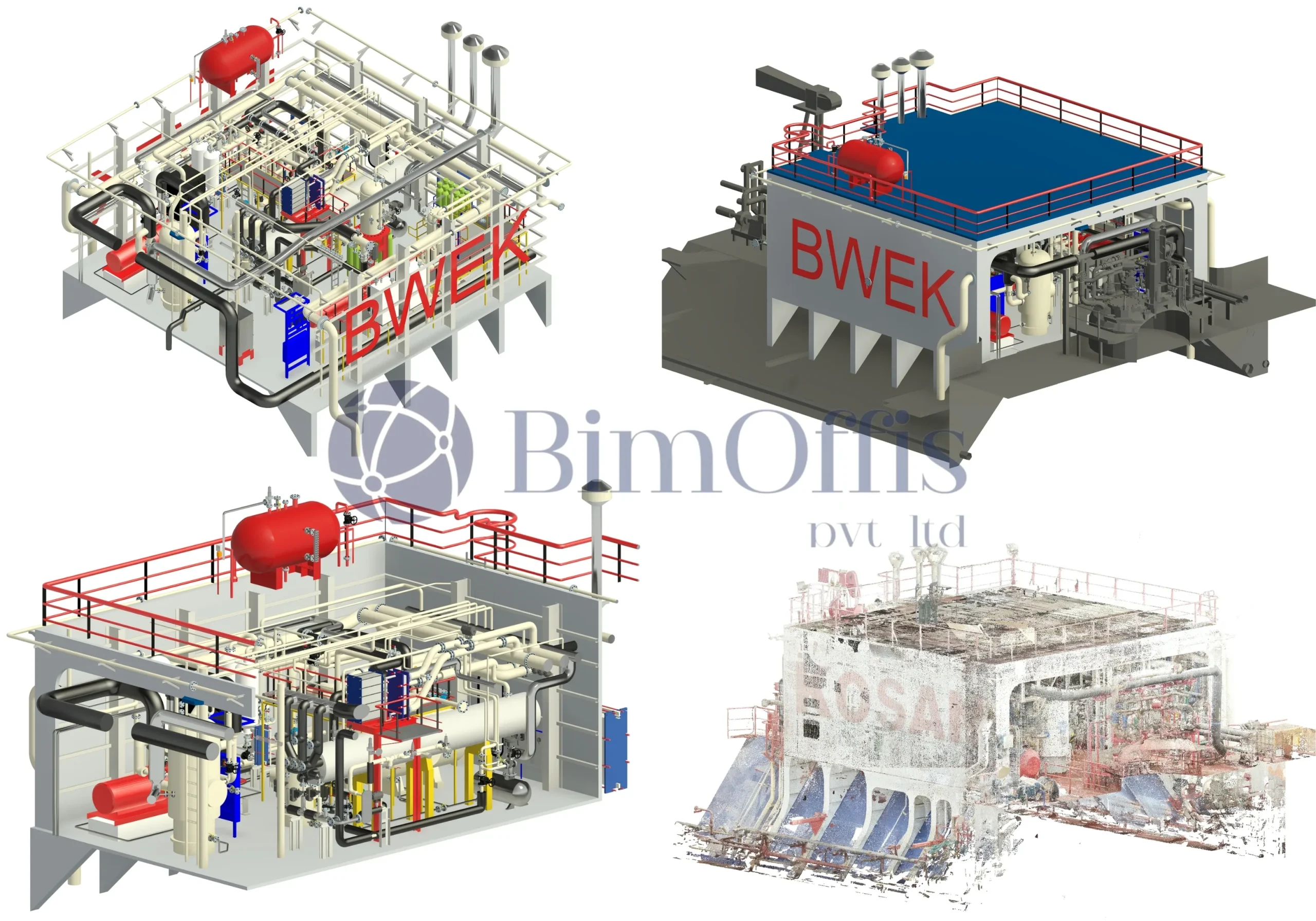
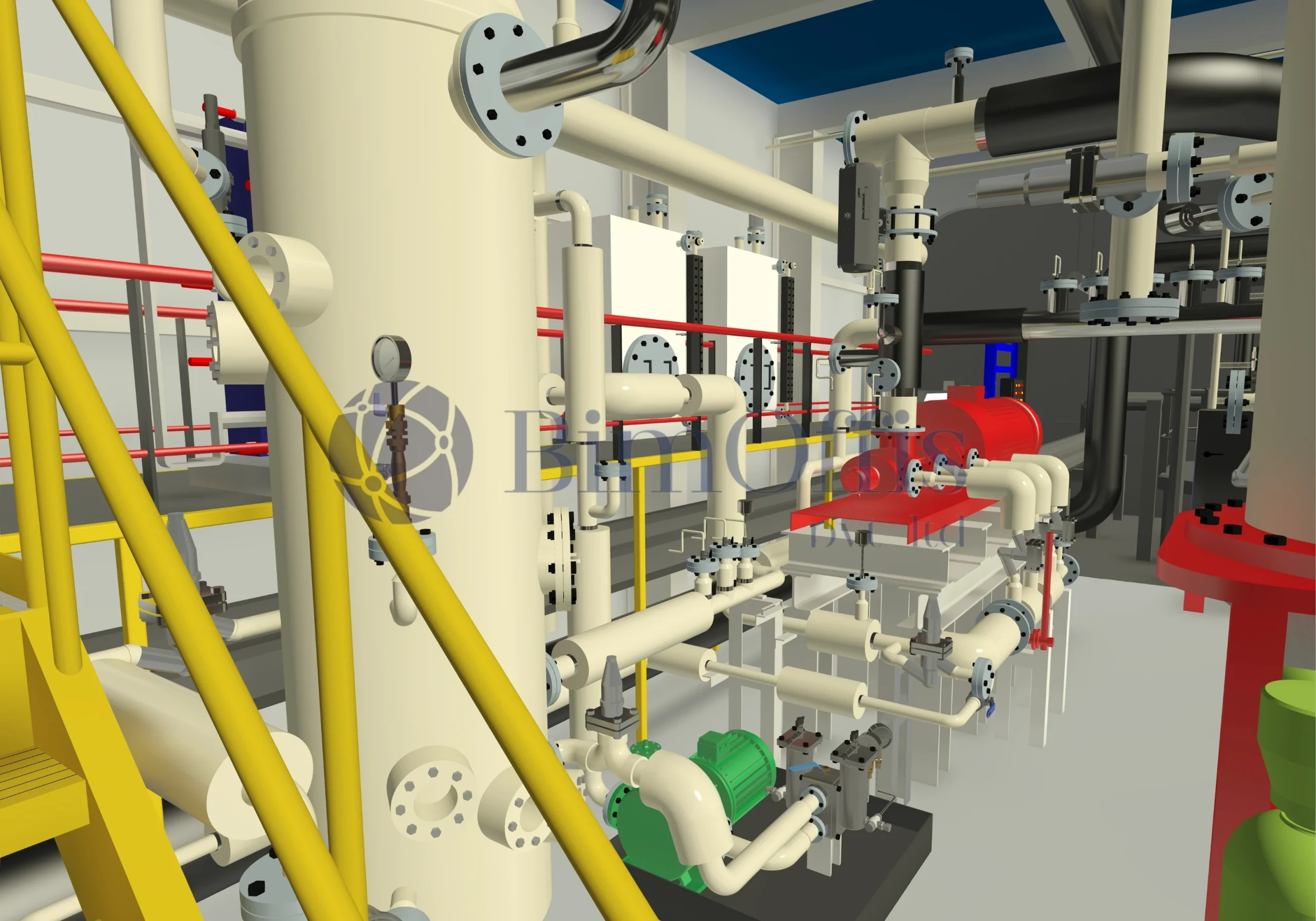
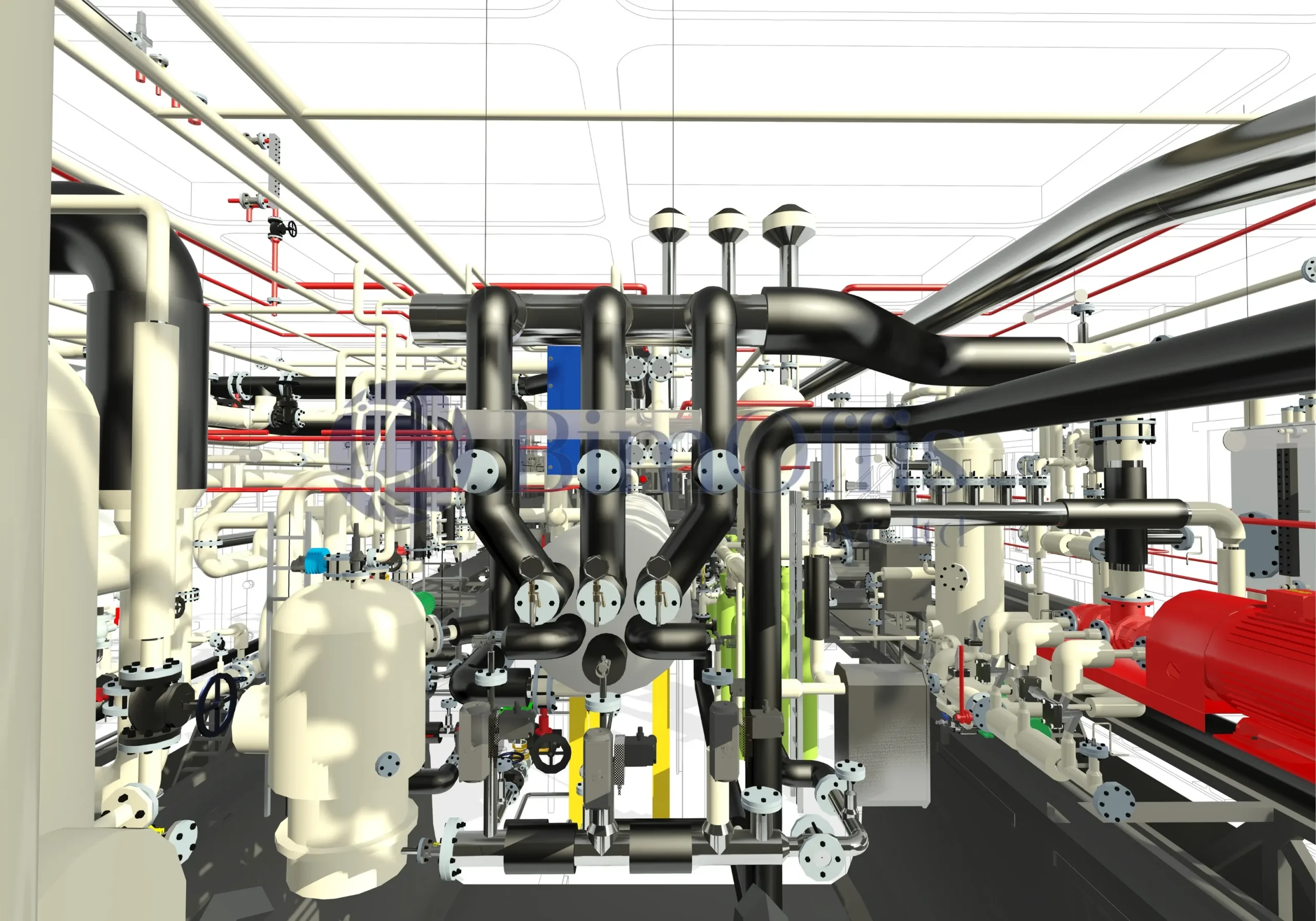
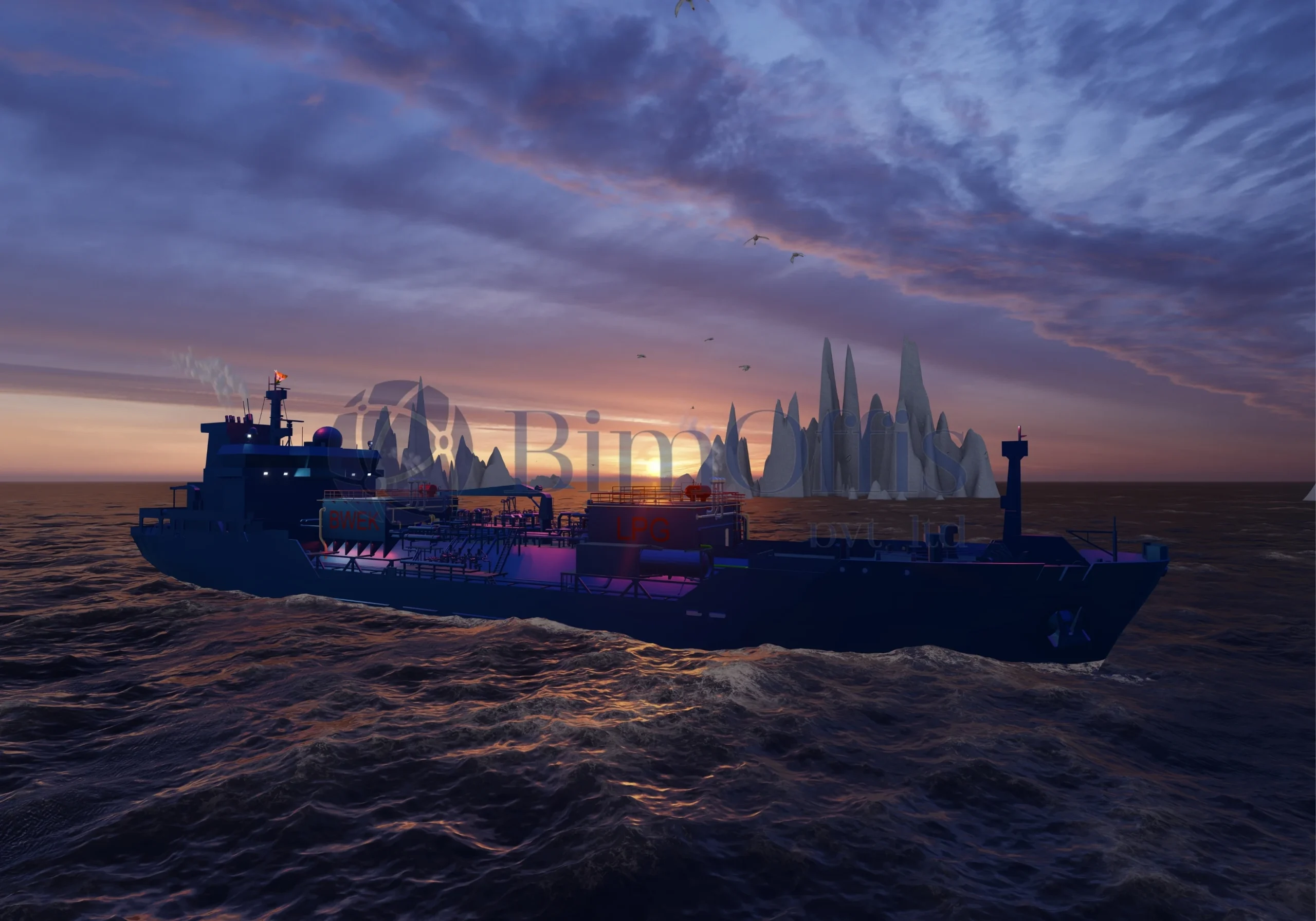
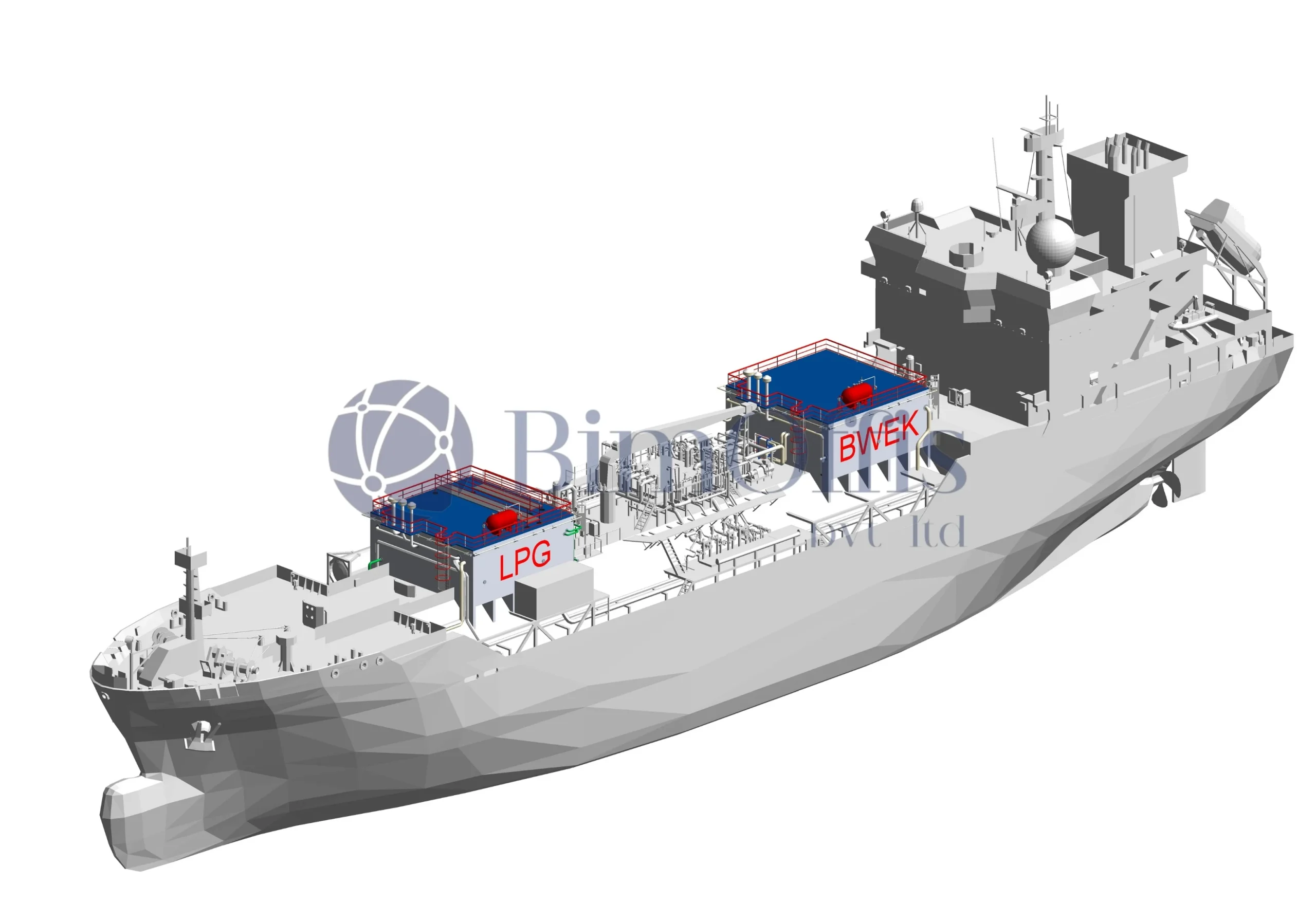
The Leonara Kosan vessel project focused on developing a high-quality 3D digital twin designed for real-time visualization and interactive applications. Unlike traditional engineering-heavy models, the objective was to create a visually accurate and performance-optimized model suitable for gaming engines and simulation platforms.
The model was developed in line with modern digital twin concepts, enabling the client to visualize and interact with the vessel in a dynamic environment. This approach ensured a balance between visual realism and system performance.
Scope of Work
The scope of the Leonara Kosan project included:
- 3D modeling of the marine vessel
- Completion and detailing of missing shelter sections
- Optimization for real-time rendering
- Preparation for integration with game engines like Unity
- Structuring the model for future scalability
The primary focus was on usability, visual clarity, and smooth performance rather than heavy engineering detail.
3D Modeling Process
We developed the vessel model with attention to visual accuracy and structural completeness. Special focus was given to the shelter section, ensuring that all missing elements were properly modeled and aligned with the overall design.
The modeling process ensured that the final output was clean, lightweight, and suitable for interactive environments without compromising essential visual details.
Performance Optimization
Since the model was intended for real-time applications, performance optimization was a key priority. Geometry was carefully managed to reduce polygon count while maintaining visual quality.
This allowed the model to run smoothly in real-time engines such as Unity, ensuring a seamless experience for interactive use cases like simulations and gaming environments.
Tools & Technologies
The following tools and platforms were used:
- 3D Modeling Software (Blender / 3ds Max / Revit as applicable)
- Unity (Real-time visualization)
- Rendering and optimization tools
- Digital Twin frameworks and workflows
These tools helped deliver a model that balances performance with visual fidelity.
Future-Ready Digital Twin Approach
Although the model was not developed as a full engineering-grade BIM model, it was structured to support future updates and data integration. This ensures that the digital twin can evolve over time as new requirements arise.
The flexible structure allows the client to expand the model’s capabilities, making it a future-ready asset for visualization, simulation, and potential integration with other digital systems.
Scope of Work
SCAN - BIM
Total Area
Marine Vessel
Services
MEPF
Softwares Used
Revit, Navisworks, 3Ds Max and Recap
Sector
Marine
Location
Singapore
Ready to Work with us?
We establish long-term business relationships with our clients and are
committed to complete customer satisfaction. We would love to know
about your next project.
Project Challenges
Balancing Visual Accuracy and Performance
Achieving a realistic visual representation while keeping the model lightweight and optimized for gaming environments required careful geometry and texture management.
Incomplete Vessel Information
The missing shelter section had to be recreated accurately with limited reference data, ensuring visual consistency with the existing vessel structure.
Non-Engineering Precision Requirements
Defining the right level of detail without over-modeling was critical to meet visual goals while avoiding unnecessary complexity.
Future-Proof Model Design
The model needed to support future real-time data visualization and basic simulations, requiring a flexible and scalable structure.
Interactive Element Readiness
Preparing the model for interactive features, such as valve operations, required logical object grouping and clean component hierarchy.
Cost and Time Efficiency
Delivering a high-quality digital twin within controlled costs and timelines required streamlined workflows and focused modeling strategies.
What We Delivered
- Visually accurate 3D digital twin of the marine vessel
- Completed shelter structure integrated seamlessly into the model
- Gaming-optimized 3D model suitable for immersive experiences
- Future-ready model supporting real-time data visualization and interaction
Project Samples