Project Overview
The Machinex Hub project involved delivering a complete Building Information Modeling (BIM) solution for a modern commercial facility. The objective was to create a fully coordinated digital model that supports design clarity, efficient planning, and smooth construction execution.
Our team focused on developing an integrated BIM workflow that brings together architectural, structural, and MEP systems into a single coordinated environment. This approach helped reduce errors, improve collaboration, and enhance project efficiency.
Scope of Work
The scope of the Machinex Hub BIM project included:
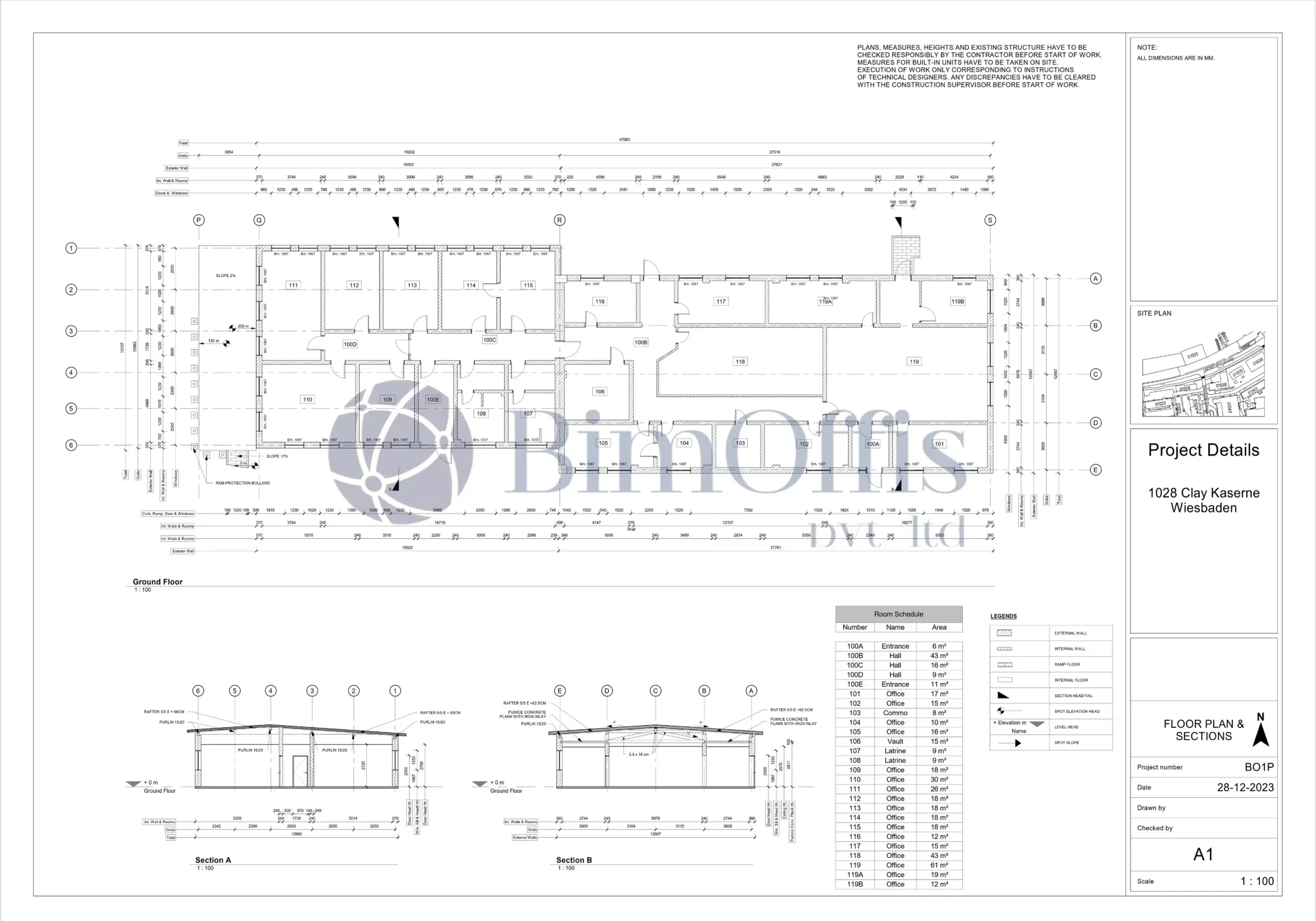
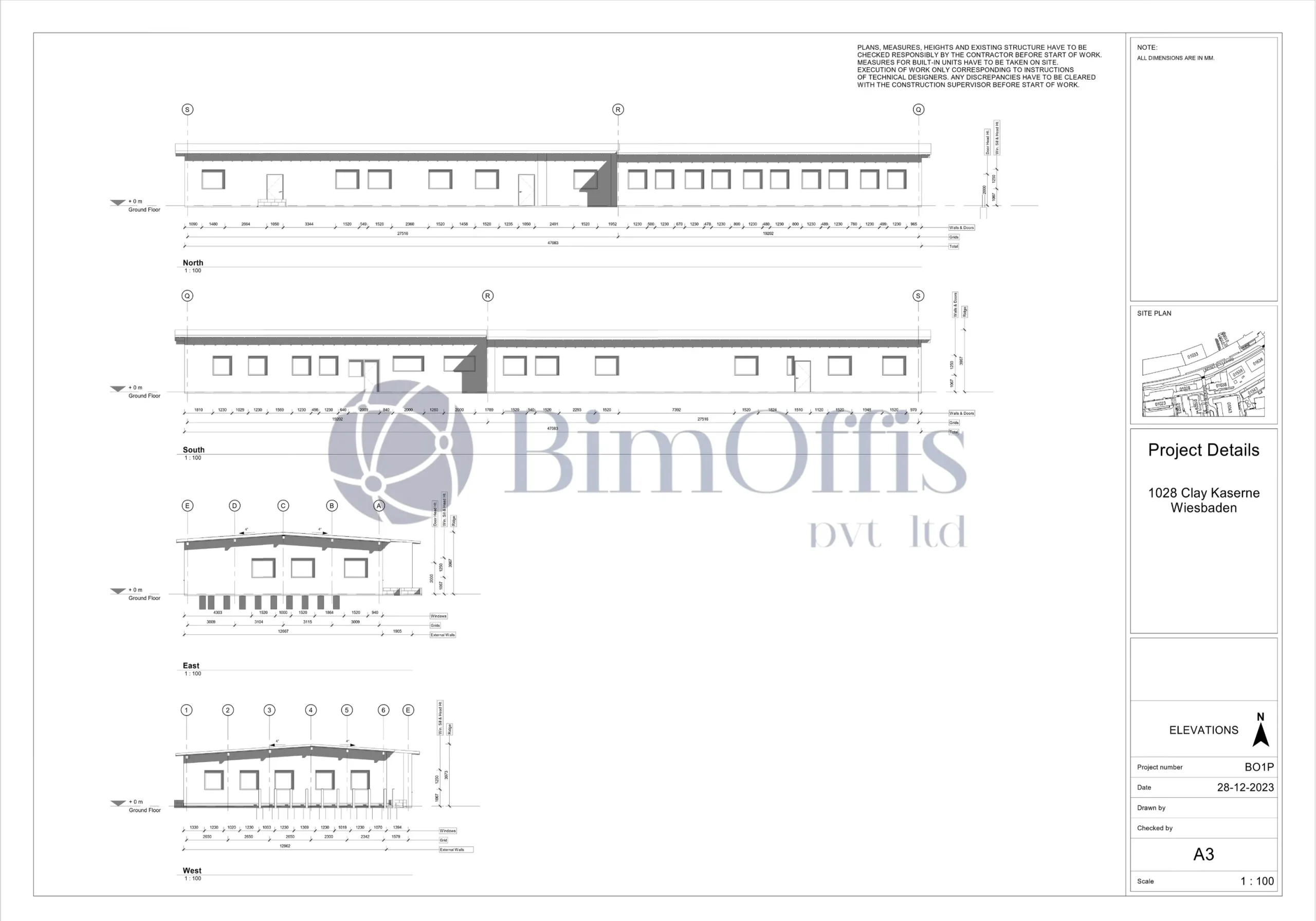
- Architectural BIM modeling
- Structural modeling and detailing
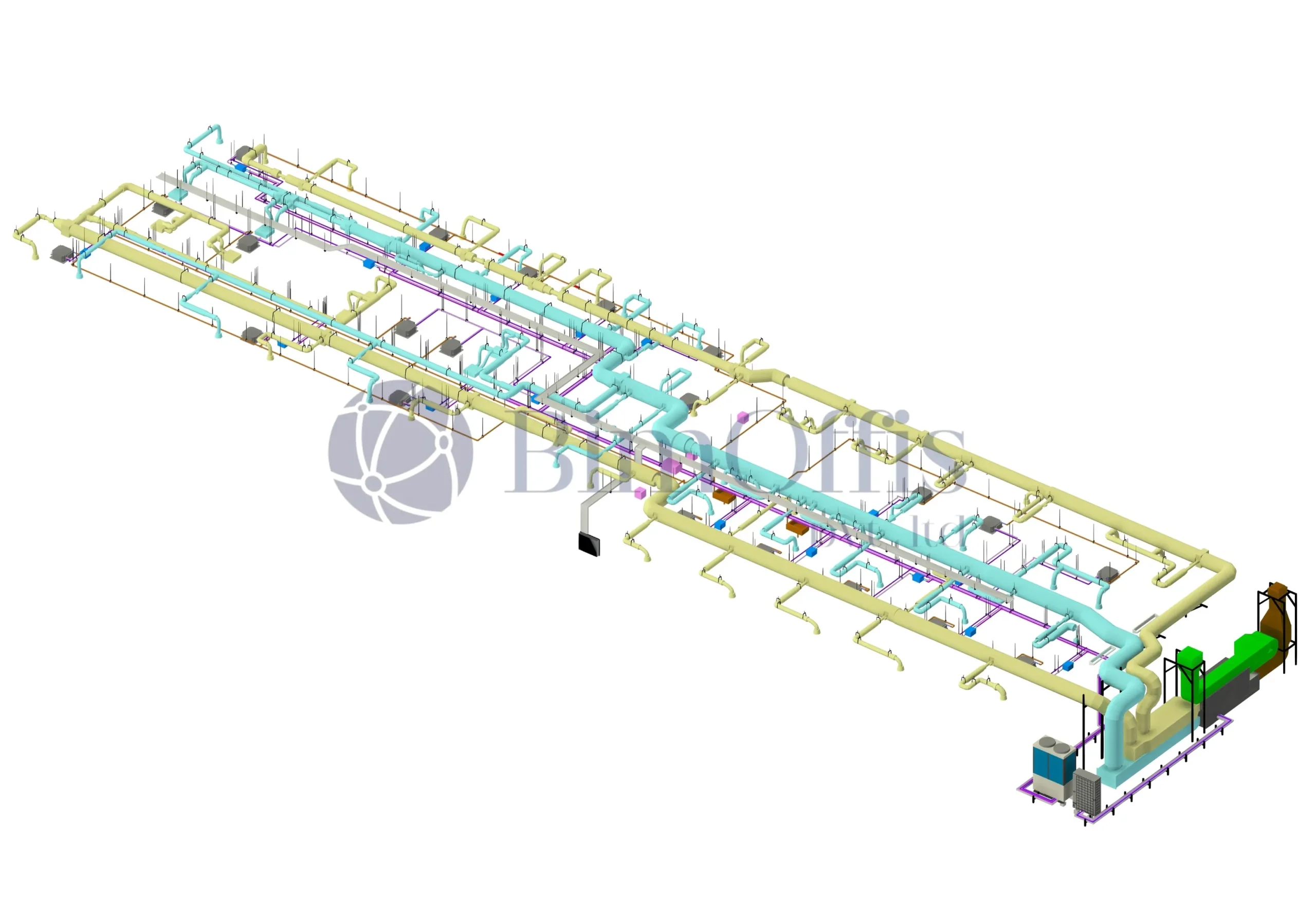
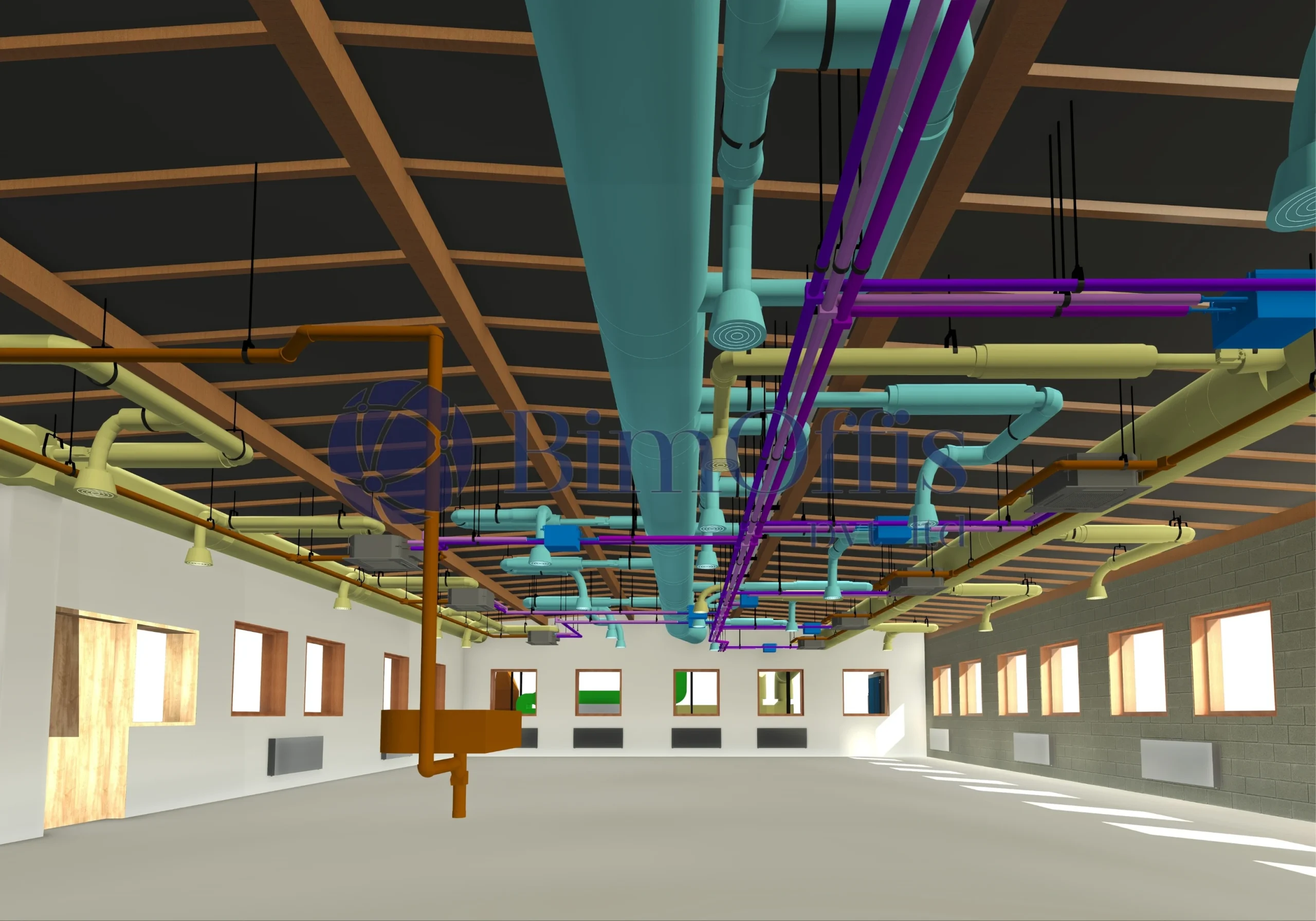
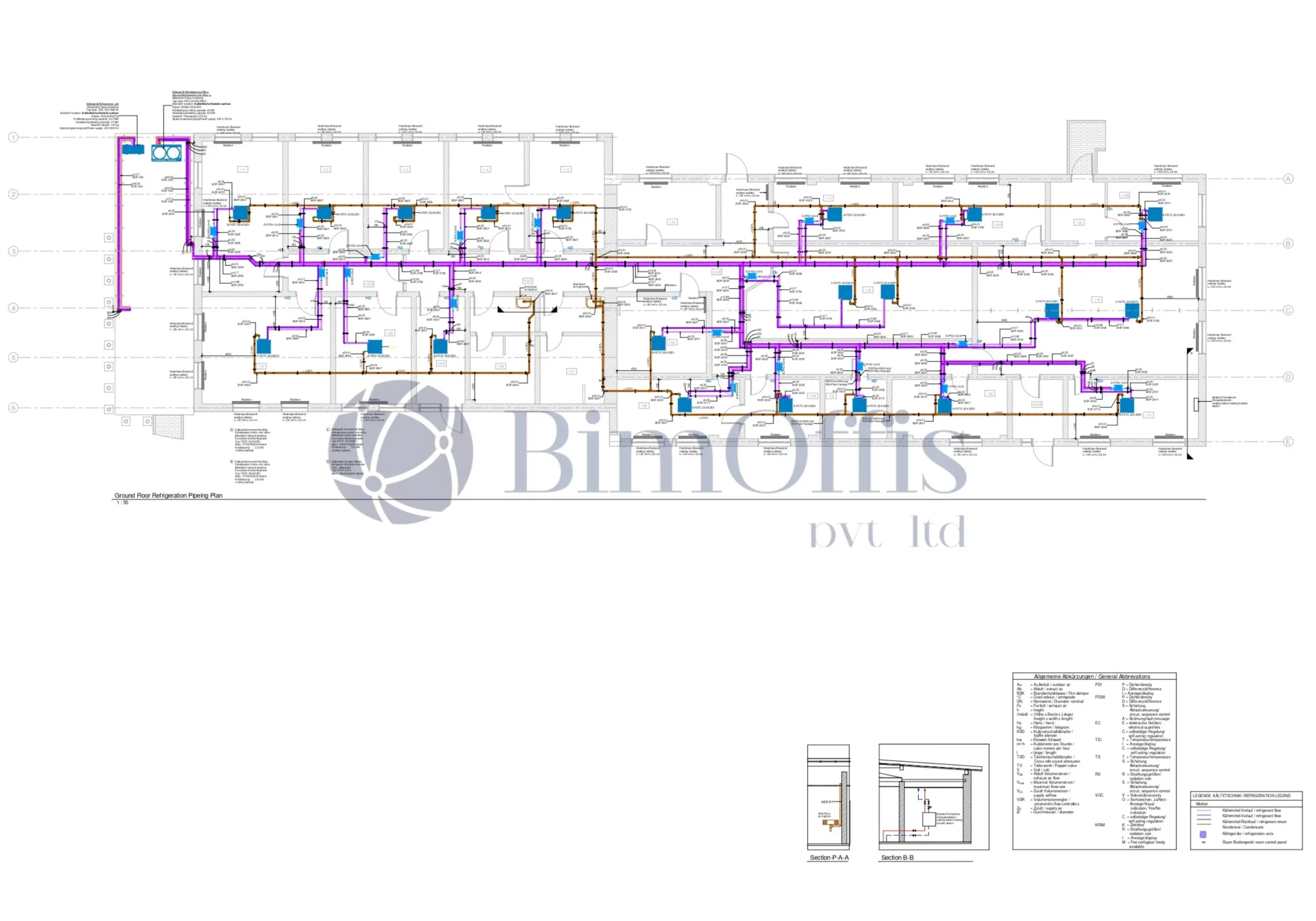
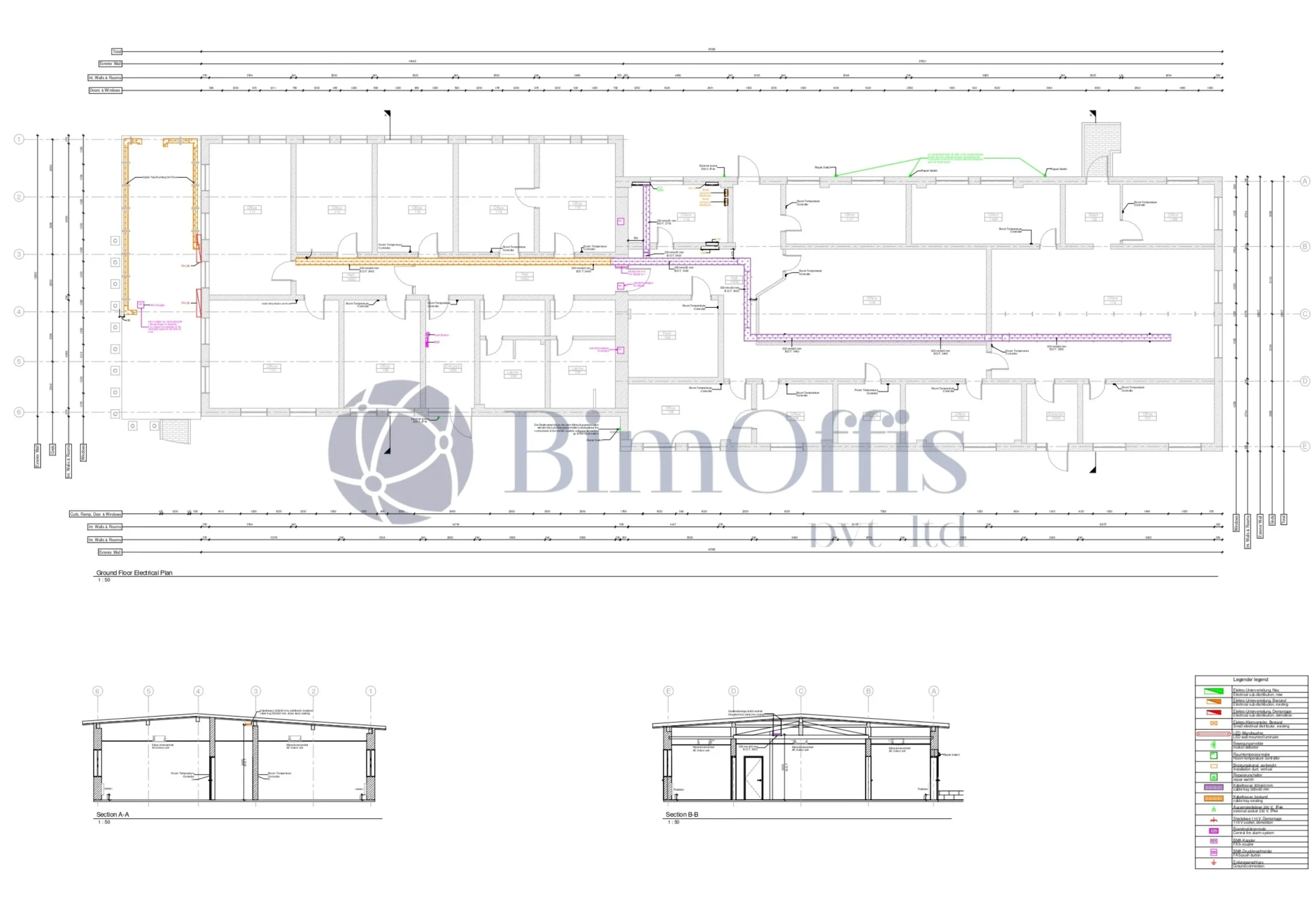
- MEP (Mechanical, Electrical, Plumbing) modeling
- 3D visualization and documentation
- Clash detection and coordination
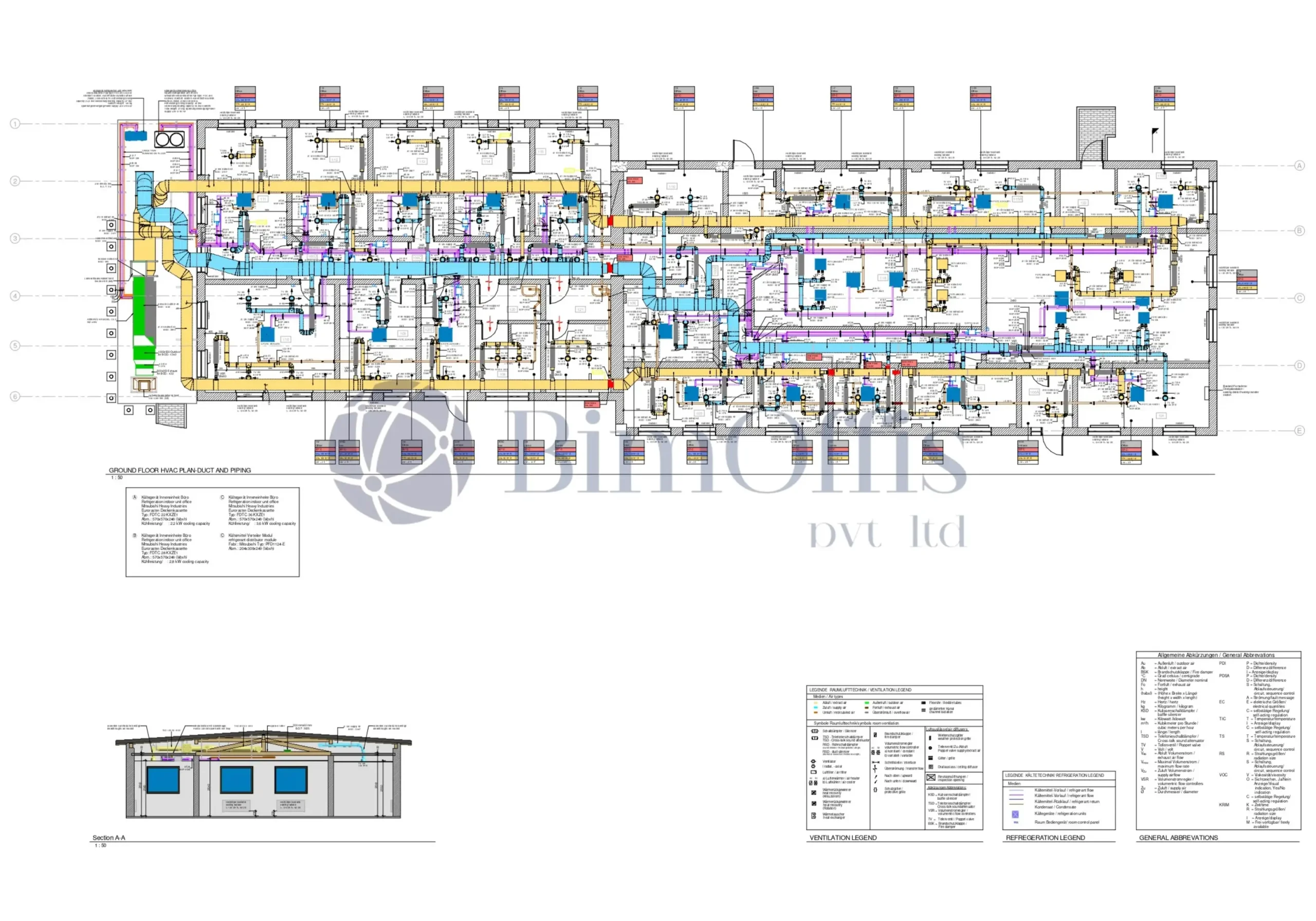
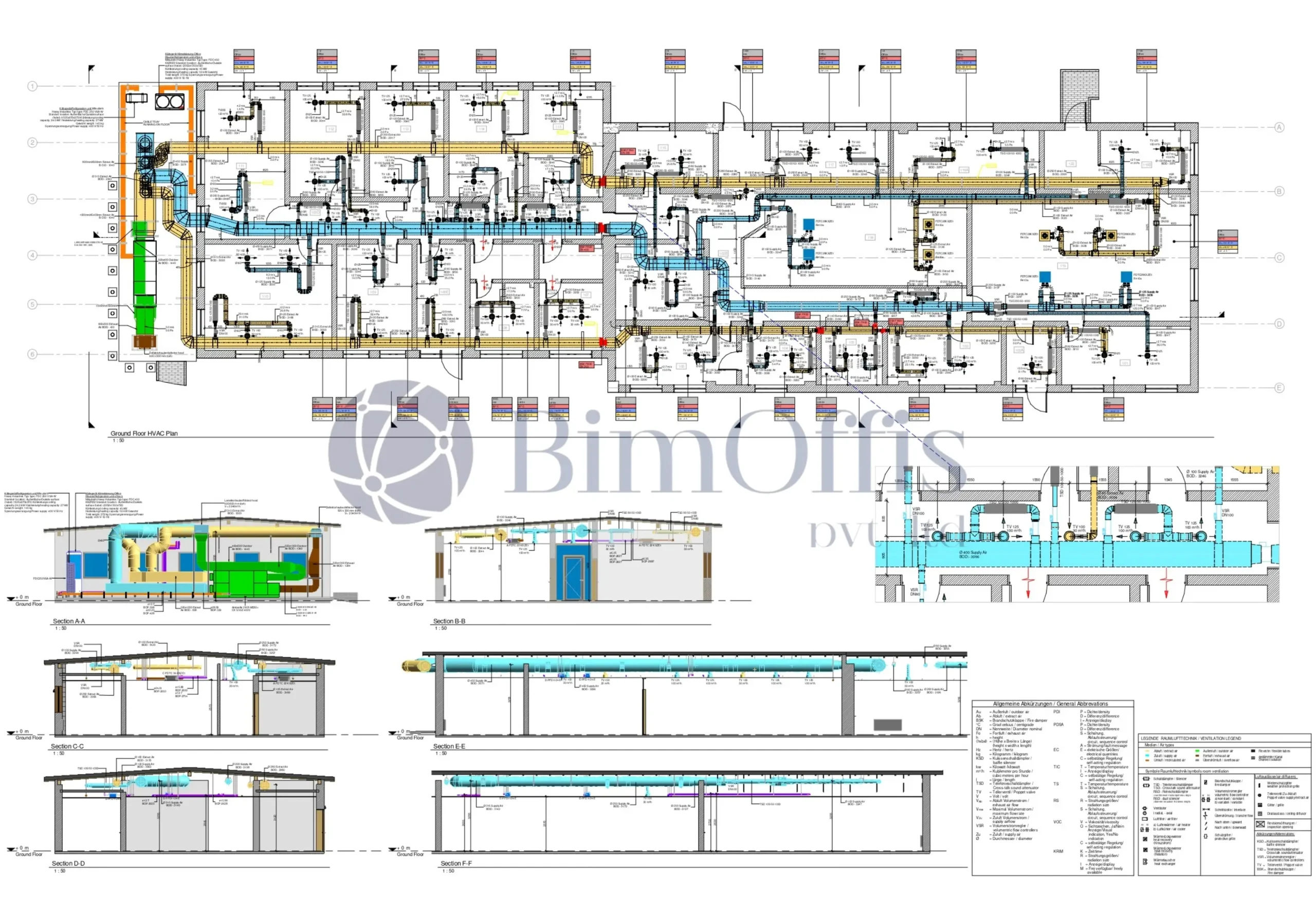
- Shop drawings and construction support
All models were developed with high accuracy to ensure real-world applicability during construction.
BIM Modeling Process
We used Autodesk Revit to develop detailed 3D BIM models for all disciplines. The focus was on creating intelligent models that not only represent geometry but also contain valuable project data.
Each element was modeled with precision to ensure compatibility across different systems. This enabled better decision-making during design and minimized rework during construction.
Clash Detection & Coordination
Clash detection was performed using Autodesk Navisworks to identify and resolve conflicts between different building systems. Early detection of clashes helped prevent costly errors on-site.
Coordination meetings and model reviews ensured that all stakeholders were aligned and that the project progressed smoothly without delays.
Tools & Technologies
The following tools were used in this project:
- Autodesk Revit (BIM Modeling)
- Autodesk Navisworks (Clash Detection)
- BIM 360 / ACC (Collaboration)
- AutoCAD (2D Documentation)
These tools helped streamline the workflow and improve overall project efficiency.
Project Outcome
The implementation of BIM in the Machinex Hub project resulted in improved coordination, reduced construction errors, and faster project delivery.
The client benefited from enhanced visualization, better planning, and a more efficient construction process, making the project a successful example of BIM-driven execution.
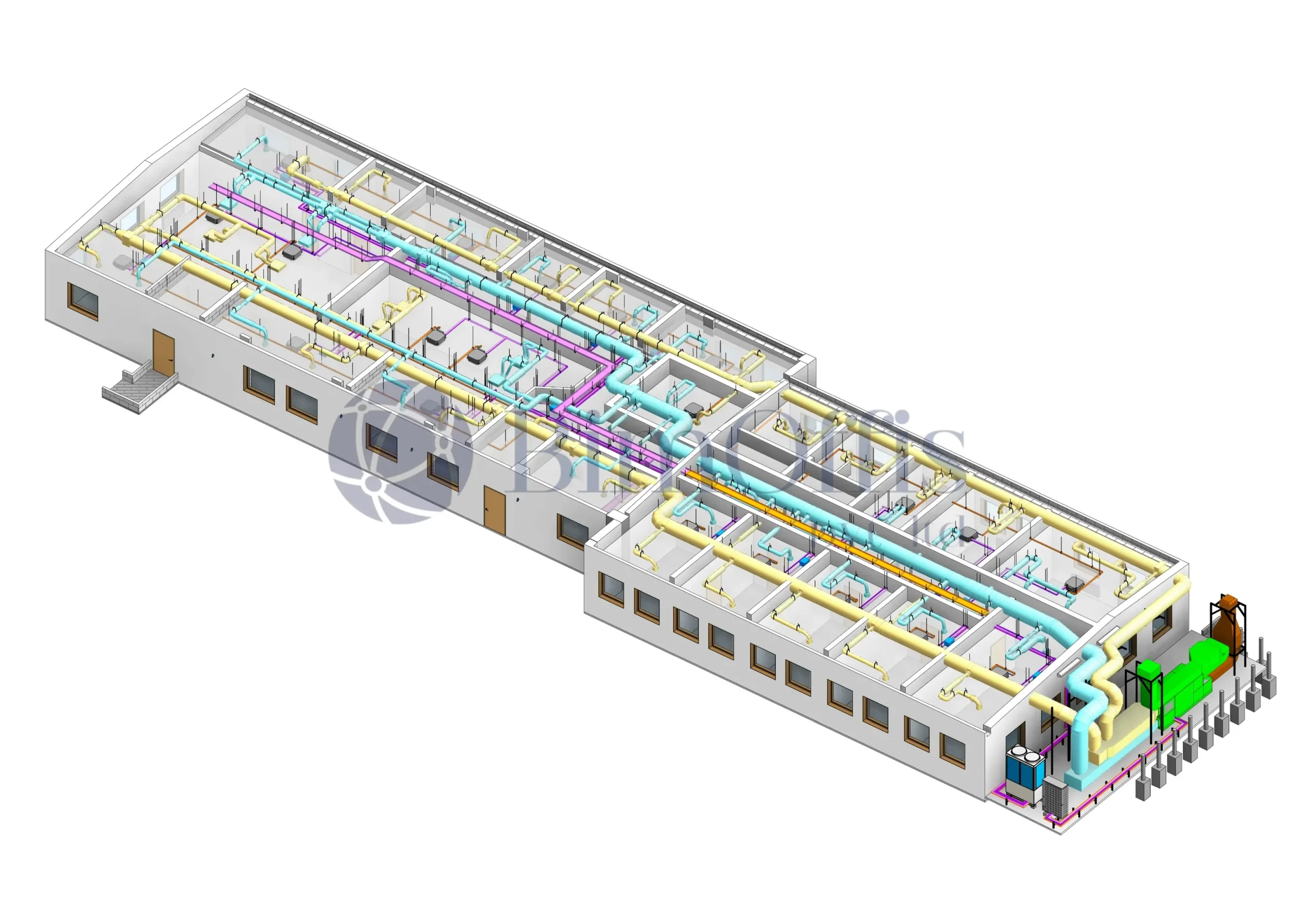
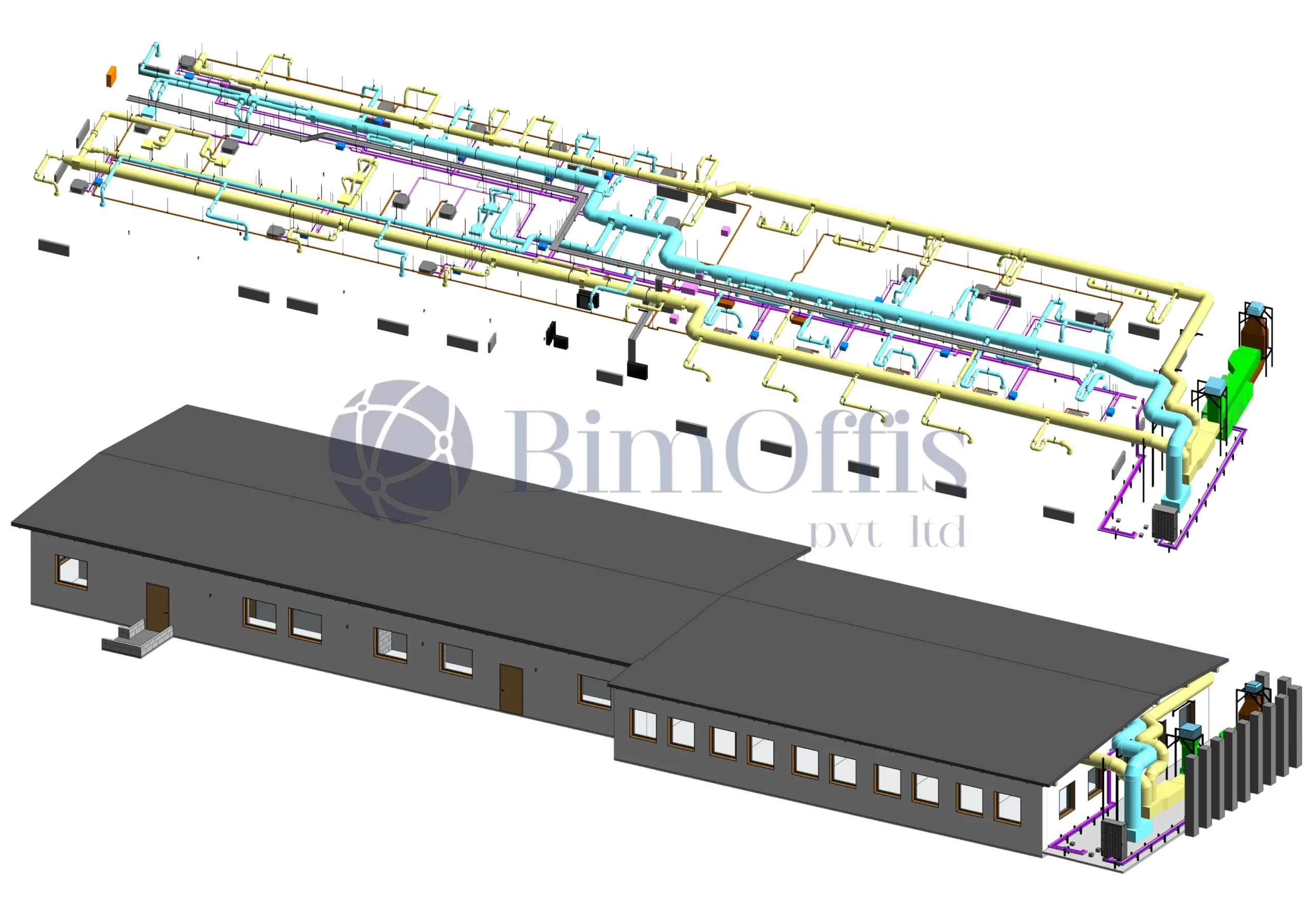
Scope of Work
CAD - BIM
Total Area
7,000 Sq. Ft.
Services
Architecture, Mechanical & Electrical
Softwares Used
AutoCAD, Revit, Navisworks
Sector
Commercial
Location
Germany
Ready to Work with us?
We establish long-term business relationships with our clients and are
committed to complete customer satisfaction. We would love to know
about your next project.
Project Challenges
Starting BIM from Scratch
Developing accurate architectural and MEPF BIM models from the initial stage required detailed planning to align design intent with constructability.
Architectural and MEPF Coordination
Coordinating multiple disciplines within a single BIM environment demanded strict modeling standards to avoid clashes and data inconsistencies.
Site Condition Validation
Conducting site visits and validating actual conditions was critical to ensure the BIM model reflected real-world constraints.
2D to 3D Conversion Accuracy
Interpreting client-provided 2D drawings into coordinated 3D BIM models required careful analysis to prevent design errors.
Clash Detection and Resolution
Identifying and resolving clashes between MEPF systems and architectural elements required systematic coordination and iterative reviews.
Workflow and Communication Management
Maintaining consistent SOPs, updates, and collaboration between on-site and off-site teams was essential for smooth project delivery.
What We Delivered
- Coordinated 3D Architectural and MEPF BIM models in Revit
- Clash detection and resolution reports for conflict-free design
- BIM coordination outputs supporting efficient construction
- Structured SOPs enabling seamless on-site and off-site integration
Project Samples