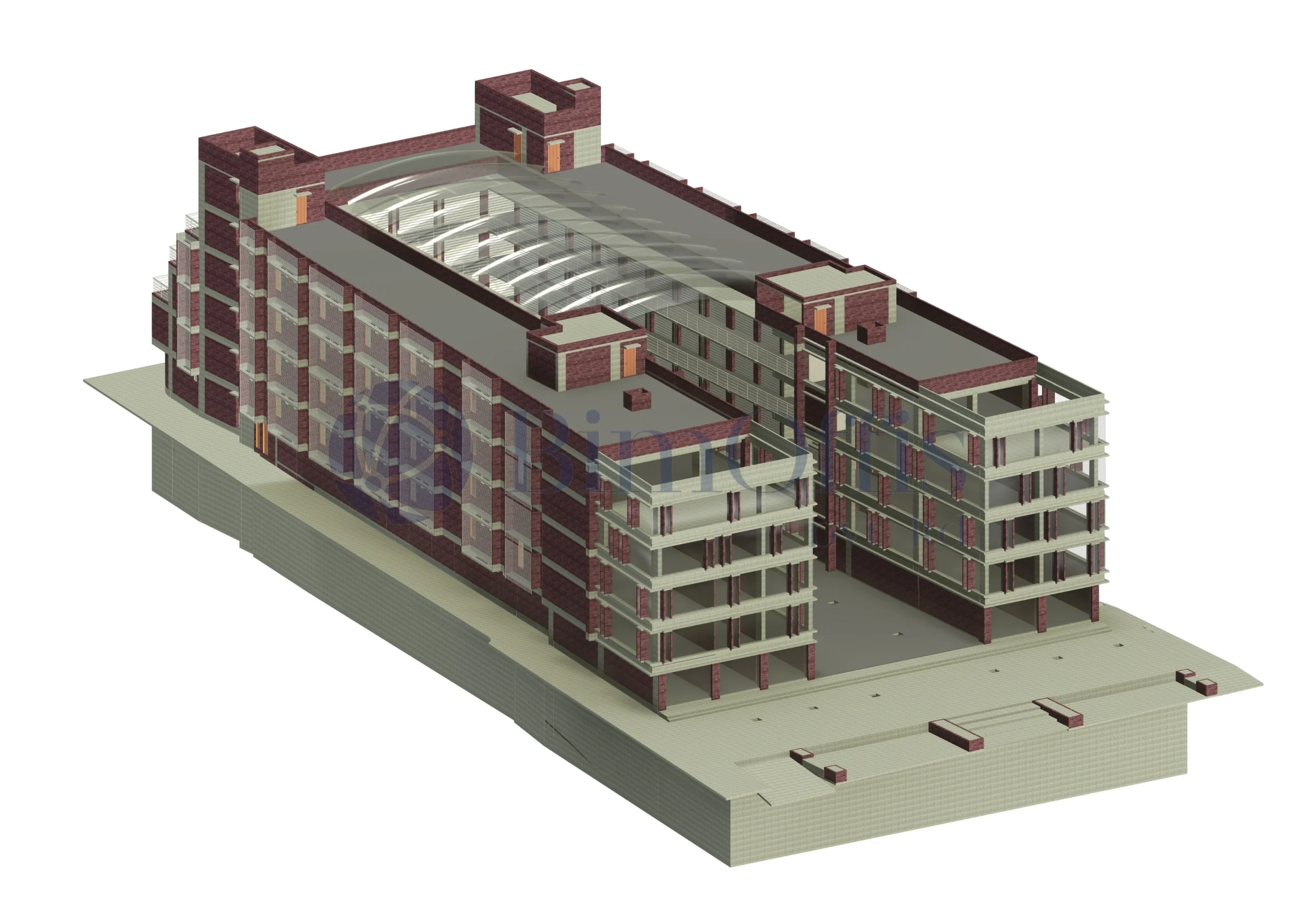
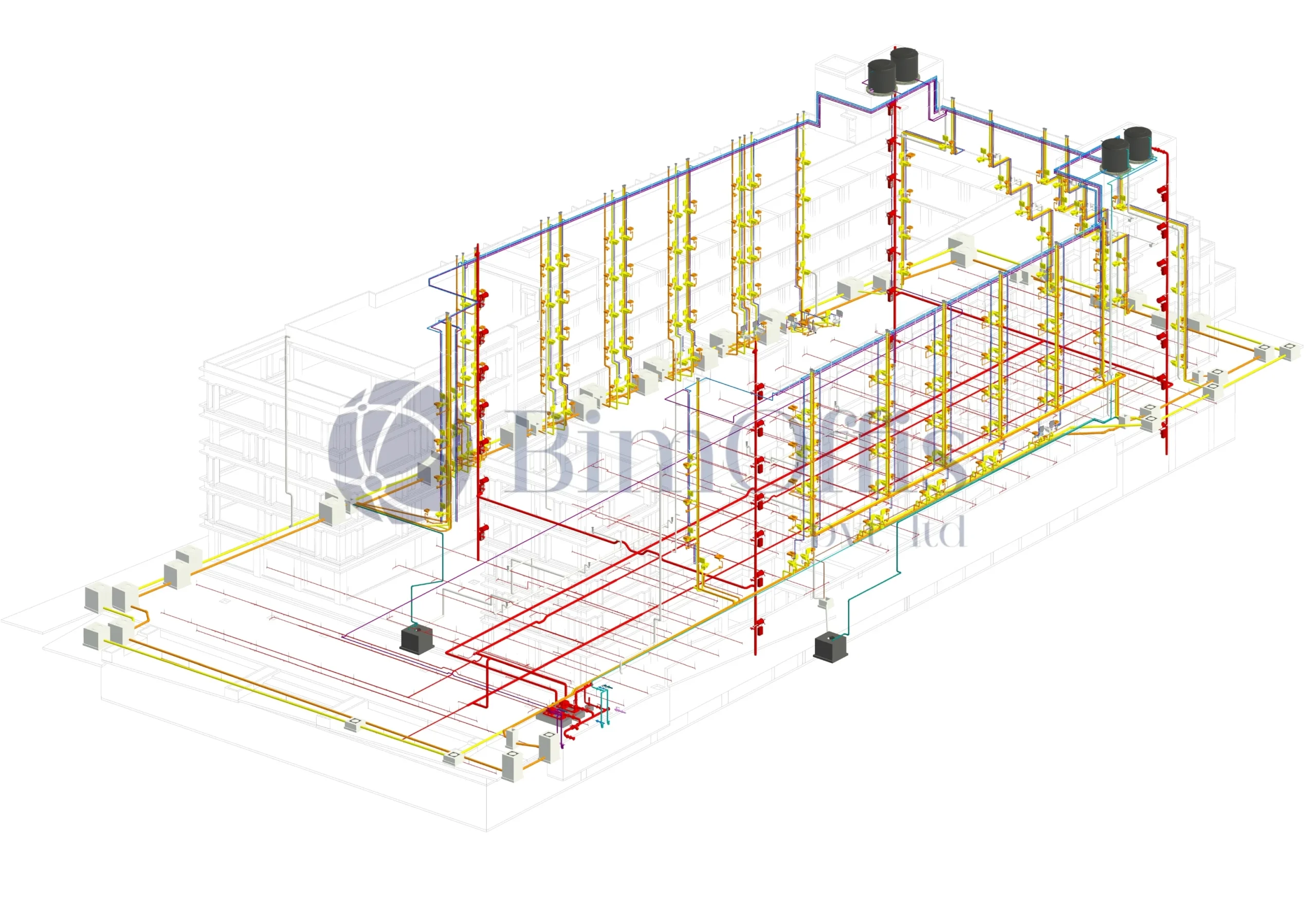
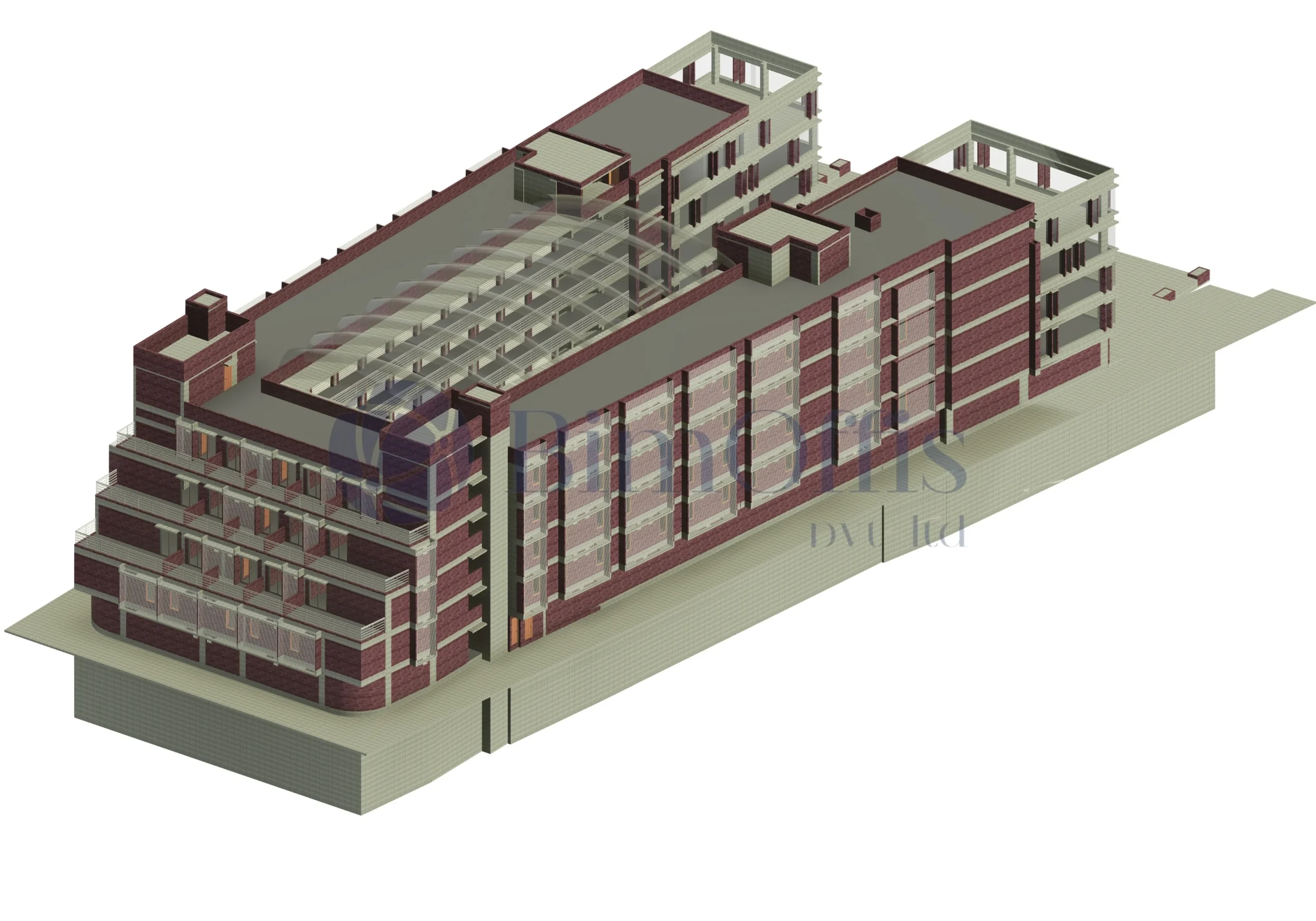
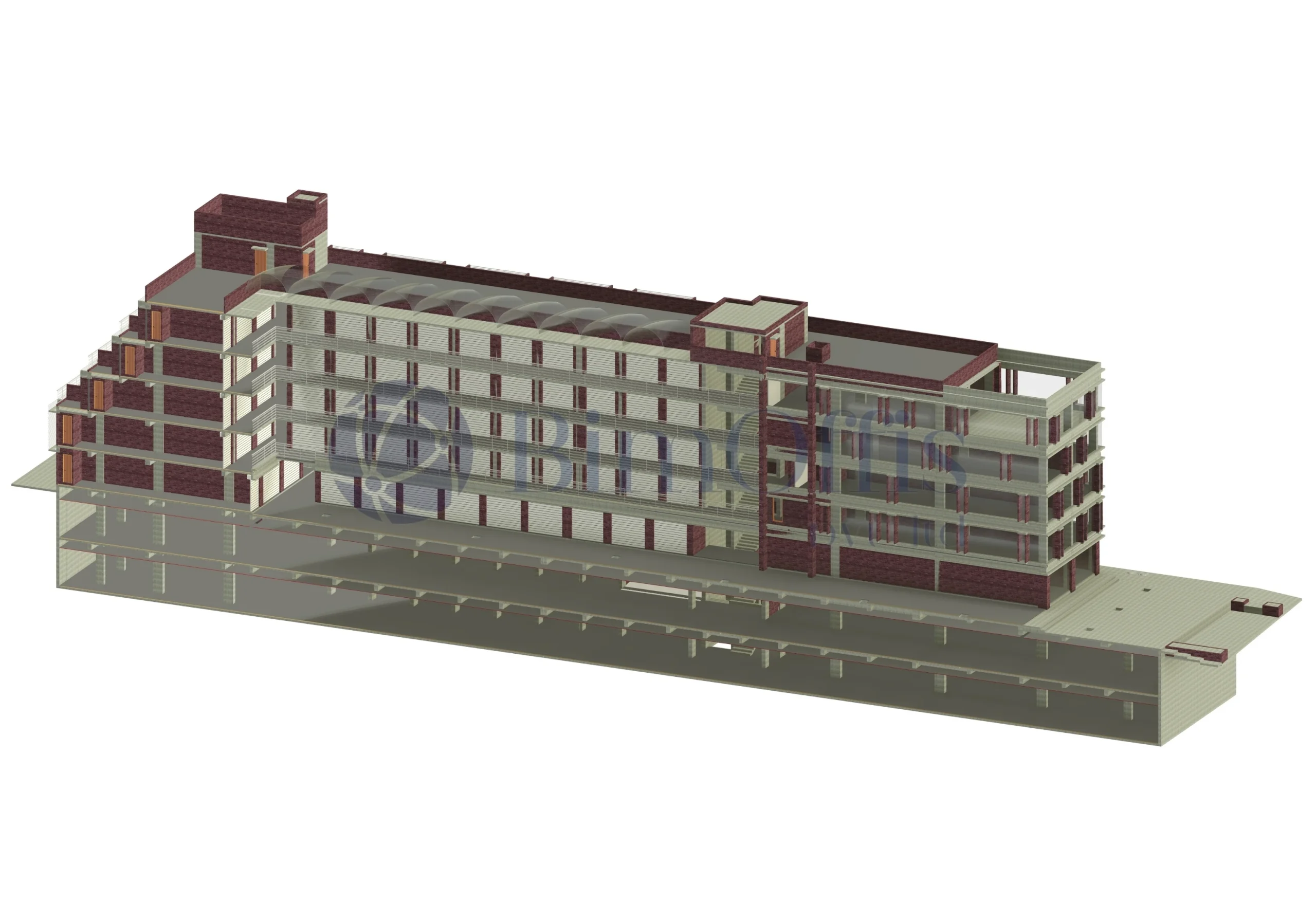
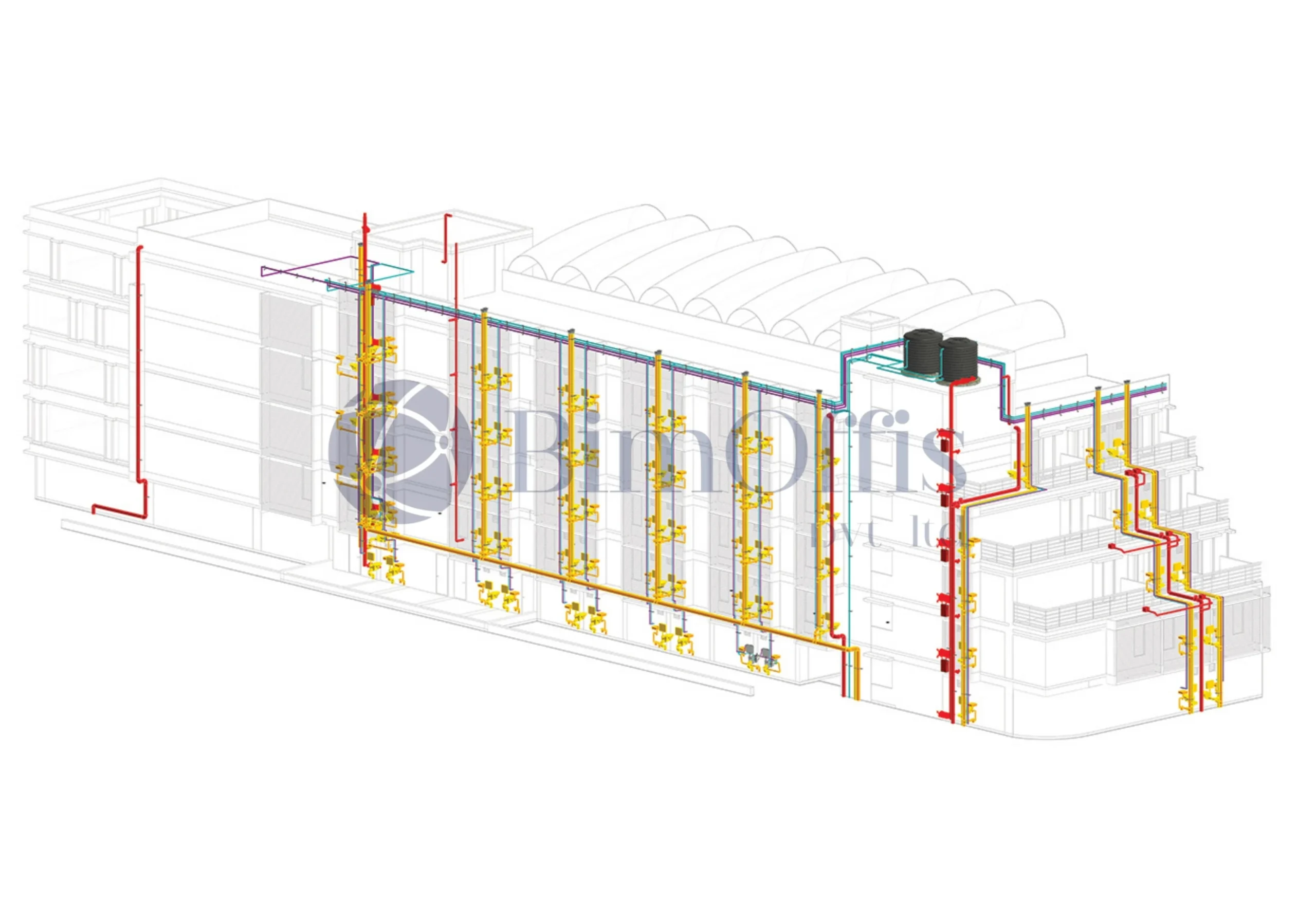
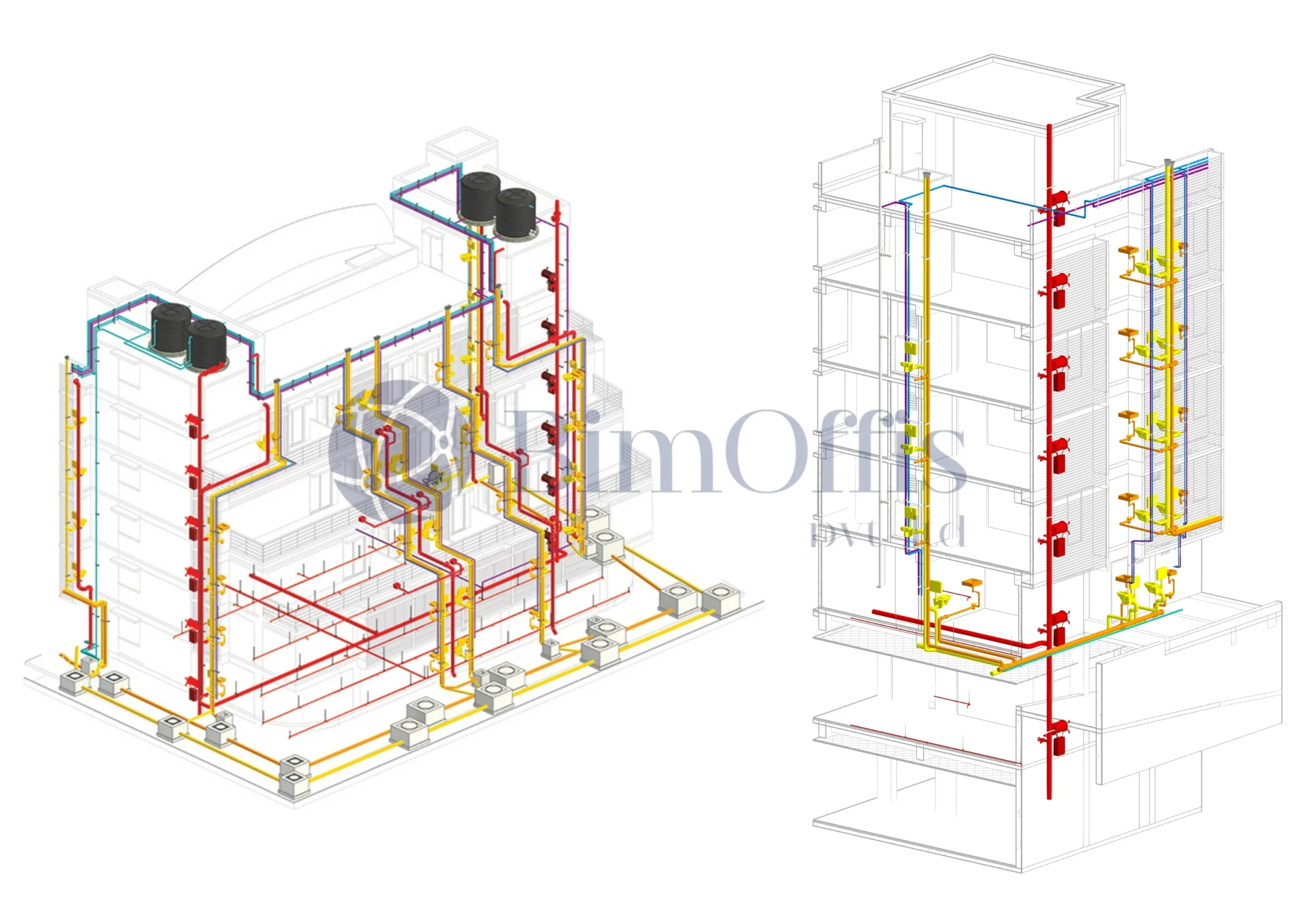
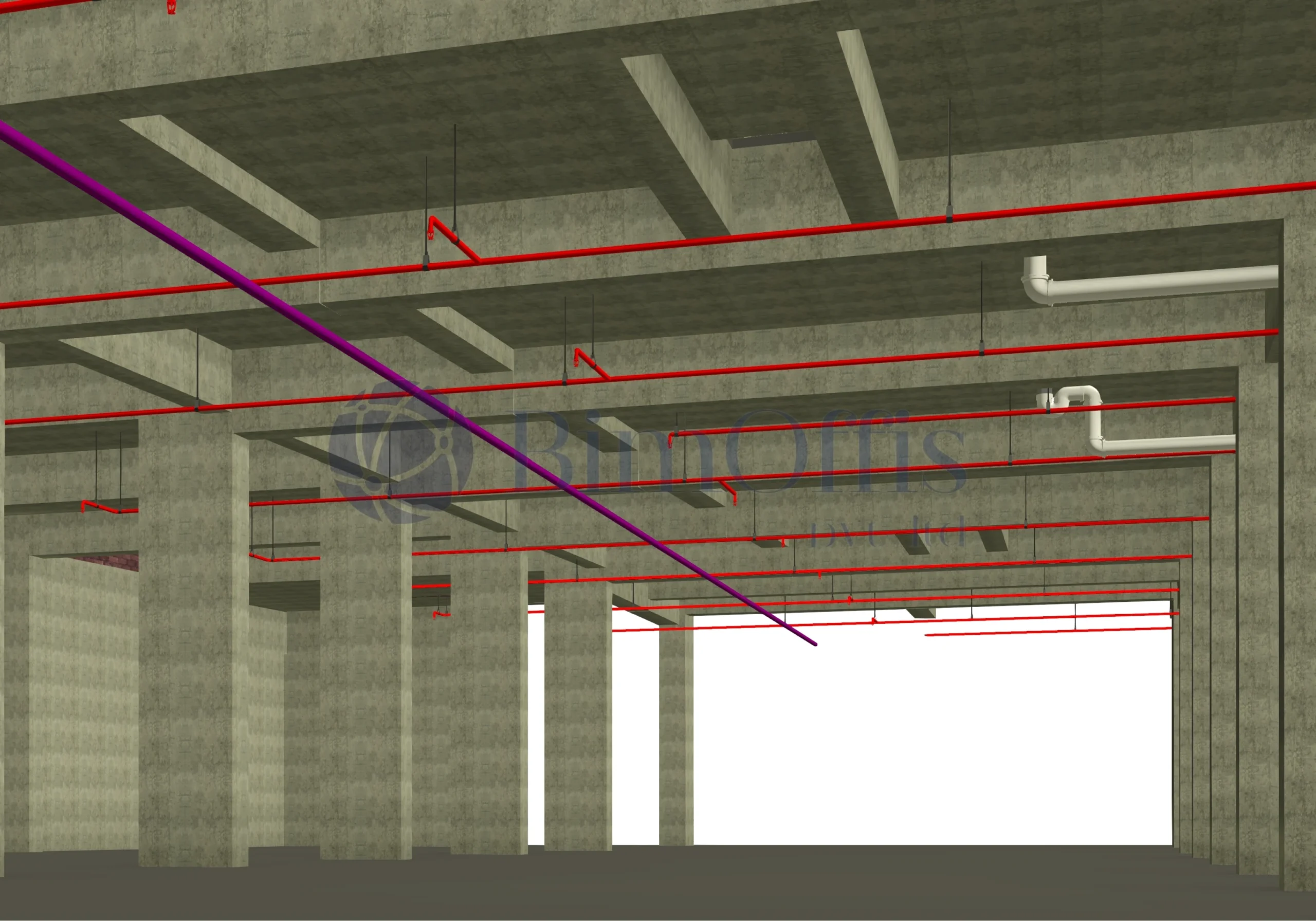
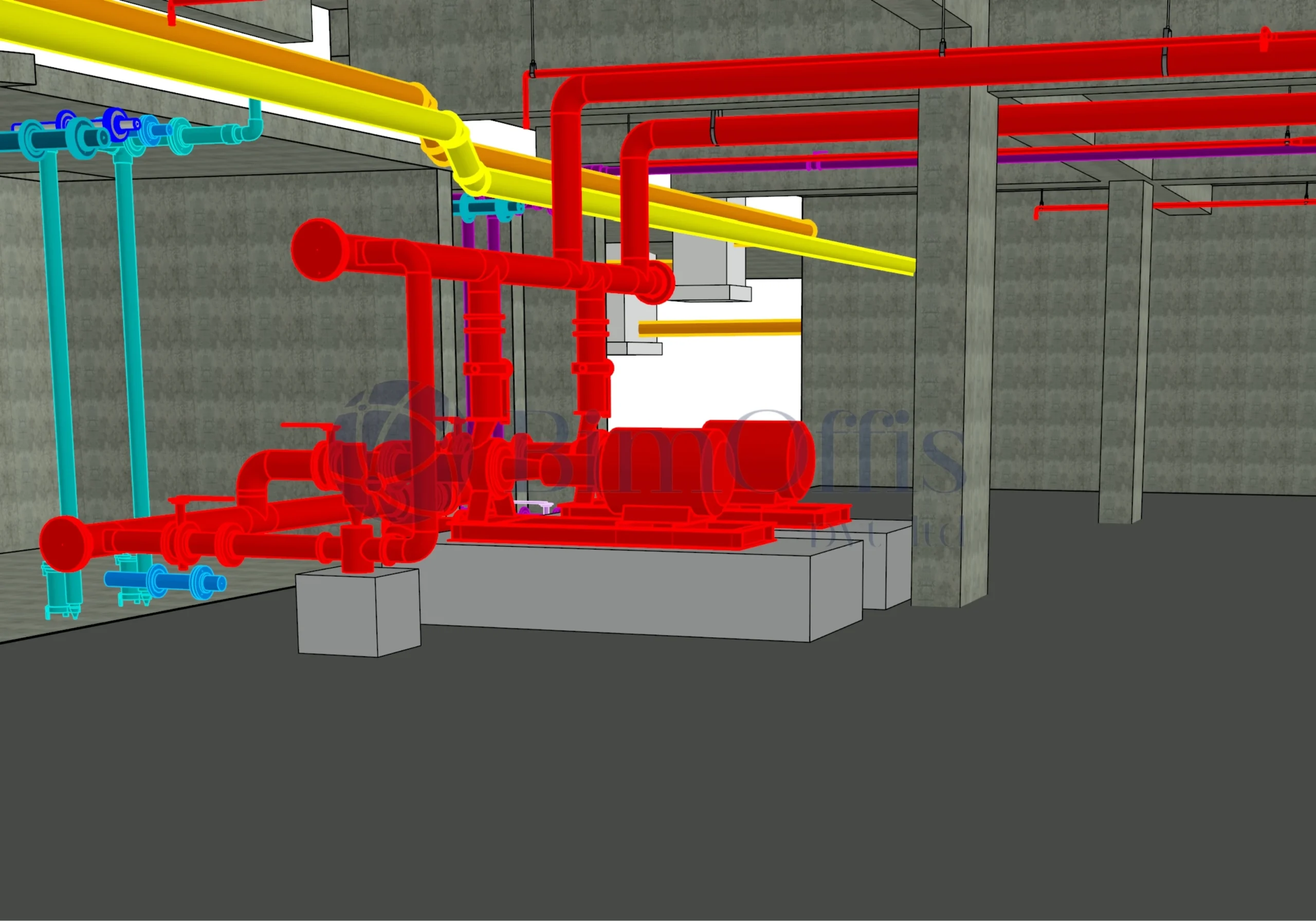
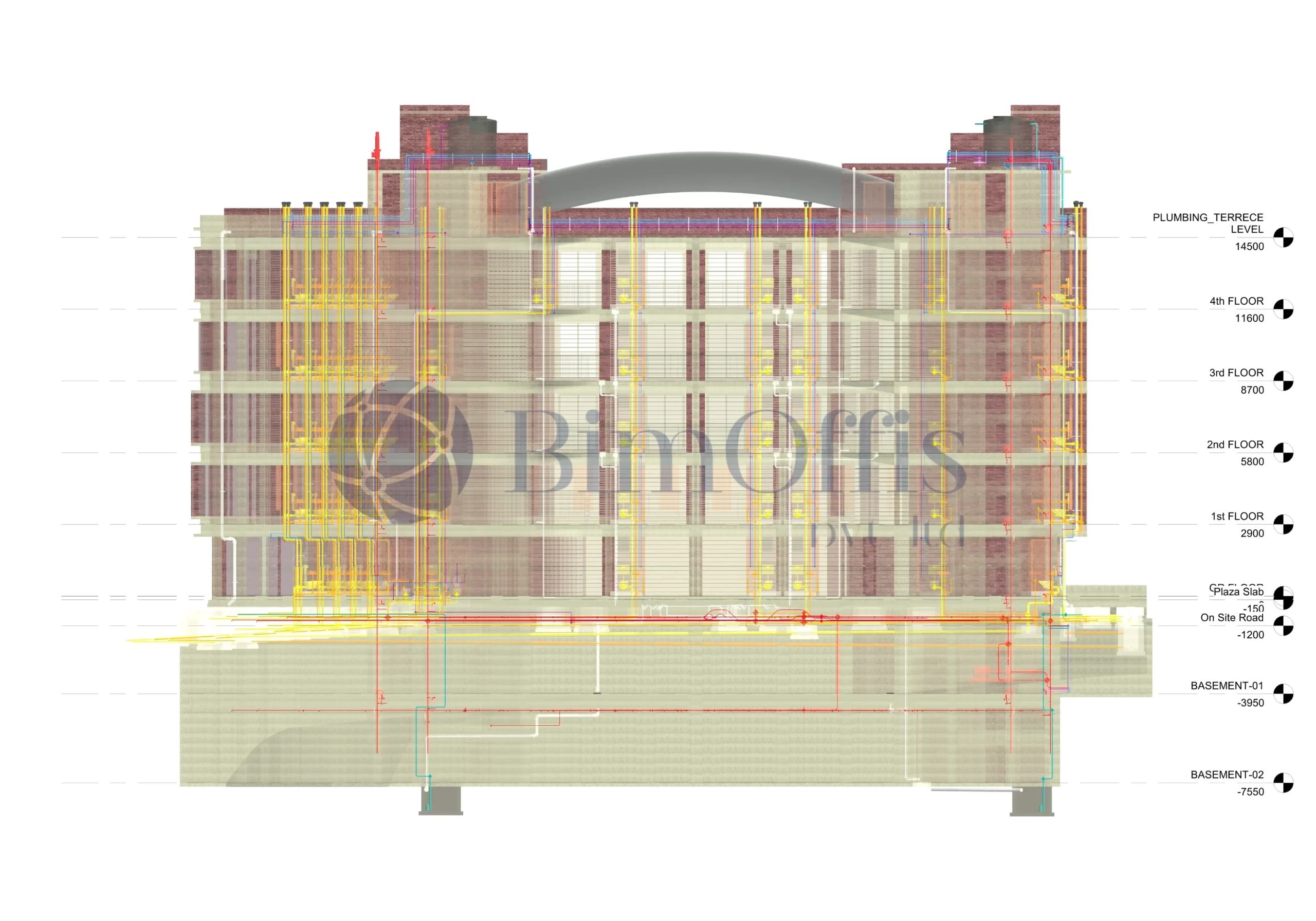
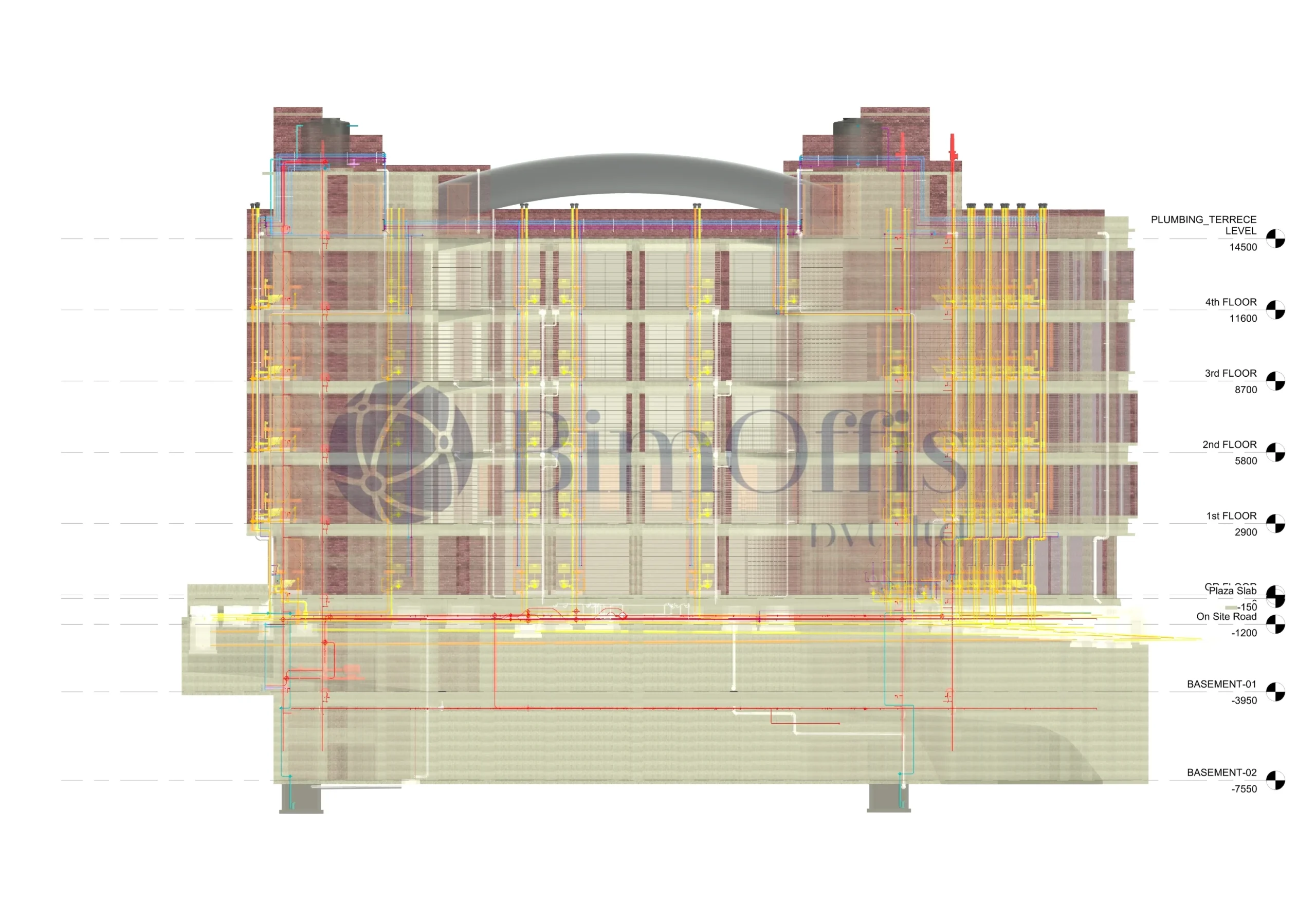
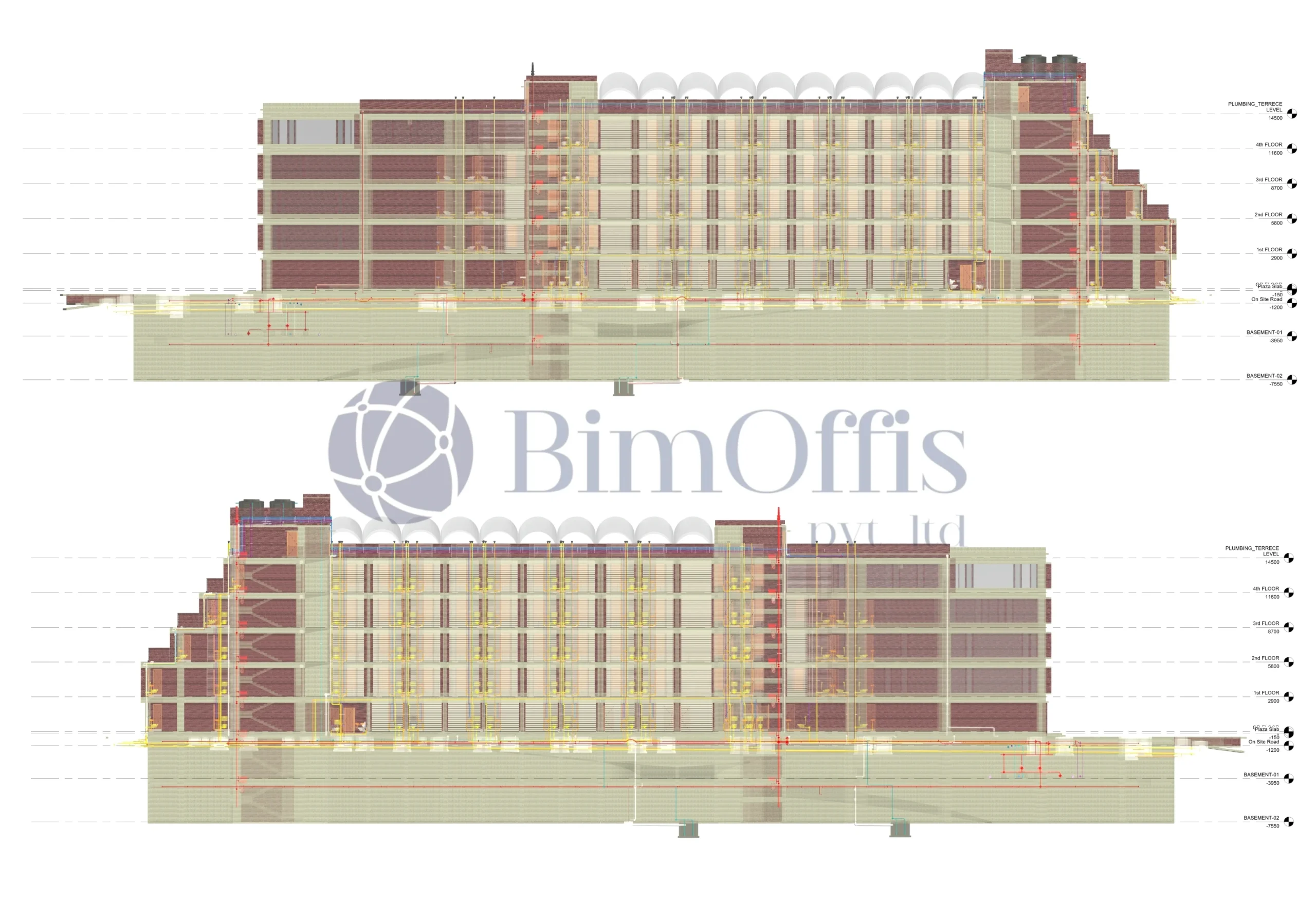
For the SBTC project in California, the client wanted a better way to understand and coordinate the design of a commercial office building. Instead of relying only on drawings, they needed a proper BIM setup that could bring everything together in one place.
Working on SBTC Building Model
We created the architectural and MEPF models using Autodesk Revit. The building had five floors and two basement levels, so there was a lot going on. The main focus was just to keep everything aligned and easy to manage for the team.
Keeping SBTC Design Practical and Efficient
There was also some focus on making the design more efficient in terms of energy use. Nothing overcomplicated, just making sure the building follows better practices and is more sustainable overall, referring to general guidelines from the U.S. Green Building Council.
Making Things Easier for the SBTC Team
In the end, the model helped simplify coordination and gave the team a clearer picture of the project. It made discussions easier and reduced confusion before moving ahead with construction.
Scope of Work
CAD - BIM
Total Area
2,77,000 Sq. Ft.
Services
Architecture, Structure & MEPF
Softwares Used
AutoCAD, Revit
Sector
Commercial
Location
INDIA
Ready to Work with us?
We establish long-term business relationships with our clients and are committed to complete customer satisfaction. We would love to know about your next project.
Modeling five floors above ground and two basement levels required careful vertical coordination to avoid clashes between architectural and MEPF systems.
Sustainable Design Integration
Incorporating solar panels, rainwater harvesting, and energy-efficient lighting required precise BIM coordination to align sustainability goals with building design.
Architectural and MEPF Alignment
Ensuring seamless coordination between architectural layouts and MEPF systems demanded detailed cross-disciplinary checks.
Site Data Accuracy
Conducting site scans and validating real-world conditions was critical to ensure the BIM model reflected actual constraints and dimensions.
Design Validation from 2D Inputs
Interpreting client-provided 2D drawings into an accurate 3D BIM model required thorough review to preserve design intent.
Workflow and Communication Management
Maintaining consistent progress through regular client communication and SOP adherence was essential to keep on-site and off-site teams aligned.
What We Delivered
3D BIM models for architectural and MEPF systems
Coordinated Revit models for a multi-level commercial building
Sustainability-ready BIM design supporting green building features