If you have ever sat in a project meeting and heard someone say “we are still in SD” or “the CD package goes out next week” and nodded along without being completely sure what they meant, that is a completely normal experience. These abbreviations get used like everyone already knows them, and most people figure out the general meaning over time without ever getting a proper explanation of what actually happens in each phase and why it matters.
So let me just tell you directly, in plain language, without making it more complicated than it needs to be.
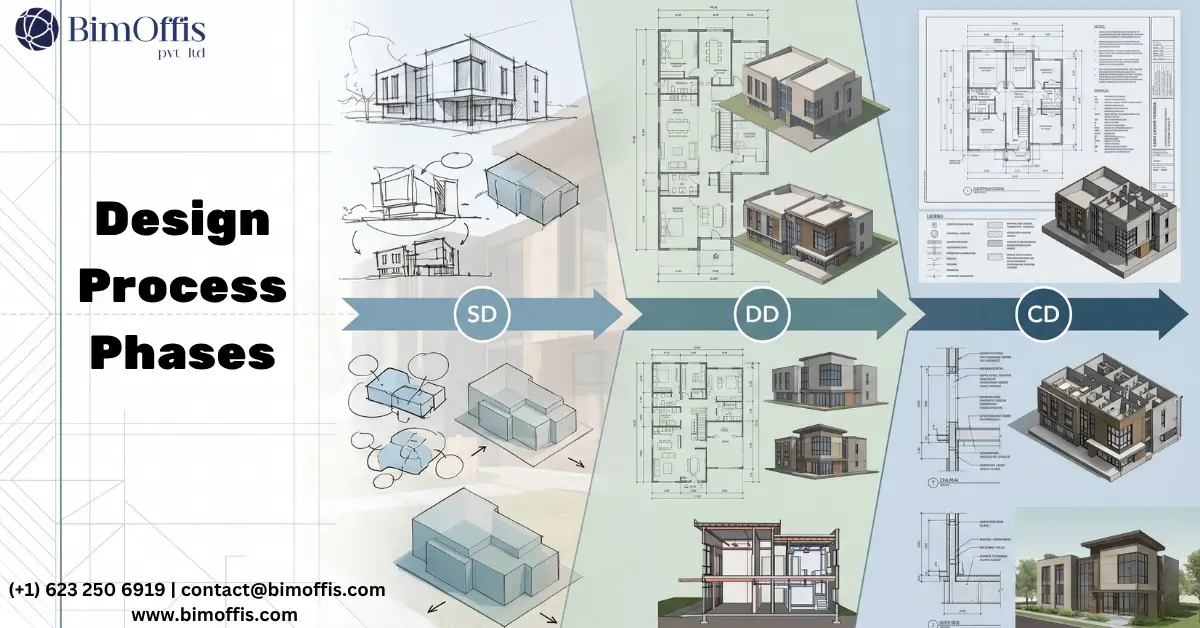
SD is schematic design. DD is design development. CD is construction documents. These are the three design phases that take a building project from a rough idea to a full set of instructions a contractor can actually build from. Each one has a specific job, each one feeds into the next, and understanding what that job is changes how you read a project programme and what questions are worth asking at each stage.
SD: Schematic Design
What Is Actually Going On
Schematic design is the first real design phase. This is where the team decides what the building is going to be.
Not the details, not the specifications, not the structural system or MEP routing. The focus stays on the big-picture decisions. Does the layout work? Does the building fit the site? Do the spaces support the building’s purpose? Can the project meet the brief without exceeding the budget?
The team intentionally keeps the drawings simple at this stage. They do not need detailed information yet. The goal is to make the major decisions while changes are still quick and affordable. A layout revision during SD might take a few hours. The same revision during the CD phase could take weeks.
What schematic design typically covers:
- How spaces are organised and connected
- How the building sits on the site and its overall massing
- Whether the brief fits the site and budget constraints
- Preliminary cost estimates based on the concept
- Drawings required for planning or zoning approvals
Why Schematic Design Matters So Much
Most successful projects have one thing in common: the team invested enough time in schematic design.
Projects that run into expensive problems later often share the opposite story. Someone rushed through SD because they wanted to move quickly into detailed design.
That is rarely a good trade-off.
The decisions made during SD shape almost everything that follows. When the team gets those decisions right, the rest of the project moves forward on a solid foundation. When they get them wrong, the same issues tend to show up again and again throughout design and construction.
DD: Design Development
What Is Actually Going On
Design development takes the approved SD concept and turns it into a workable building.
At this point, the team has already chosen the overall direction. Now they need to prove that it actually works.
Every consultant actively contributes to the design during this phase. The structural engineer develops the building frame alongside the architect. MEP engineers design and coordinate their systems with the architectural and structural layouts. The team replaces conceptual material selections with real products that have real costs attached to them.
The project starts to feel much more like a building and much less like a diagram.
What design development typically covers:
- Wall assemblies and construction build-ups at actual thicknesses
- Structural framing coordinated with architectural layouts
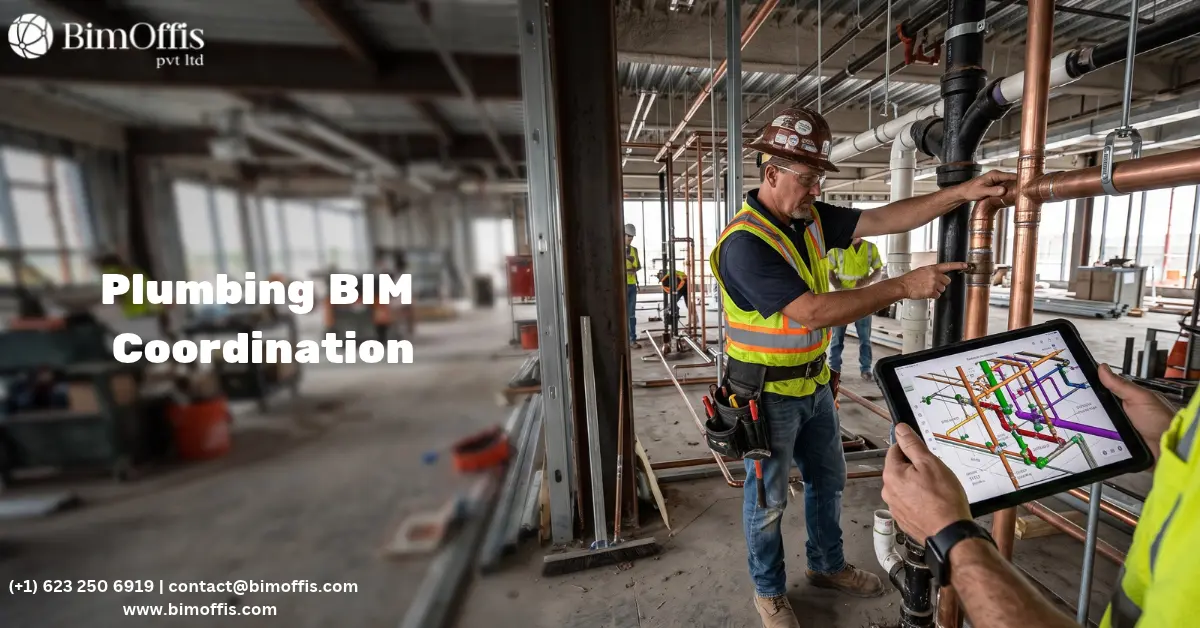
- MEP systems designed and coordinated across disciplines
- Material and finish selections confirmed against the budget
- Building sections that show vertical relationships clearly
- Outline specifications defining standards and materials
- Updated cost estimates based on developed design information
Why This Phase Has Such a Big Impact on Cost
One of the most important jobs of design development is coordination.
When architects, structural engineers, and MEP engineers solve problems together during DD, they resolve issues while design changes remain relatively inexpensive.
For example, beam depths, ceiling heights, and service routes all affect one another. If the team coordinates these elements early, they can make adjustments quickly and efficiently.
When teams postpone those discussions, the same issues usually reappear later during construction documentation or, even worse, on site. At that point, every change takes more time, costs more money, and creates additional risk.
Projects that become difficult to build often share one common problem: someone assumed coordination could wait until later.
It almost never saves time. It simply moves the problem to a much more expensive stage of the project.
CD: Construction Documents
What Is Actually Going On
Construction documents transform the design into a complete set of instructions that contractors can price and build from.
Every decision made during SD and DD feeds into this phase. The team documents the project in enough detail to support construction without guesswork.
This is not the stage for exploring new ideas or leaving open questions. By the time the project reaches CD, the team should have already resolved those issues.
Instead, the focus shifts to accuracy, clarity, and completeness.
The team confirms every dimension, draws every detail, specifies every material, and resolves every connection before construction begins. The goal is simple: provide contractors with everything they need to build the project correctly.
What construction documents typically include:
- Complete architectural plans, sections, elevations, and details
- Structural drawings for framing, foundations, and connections
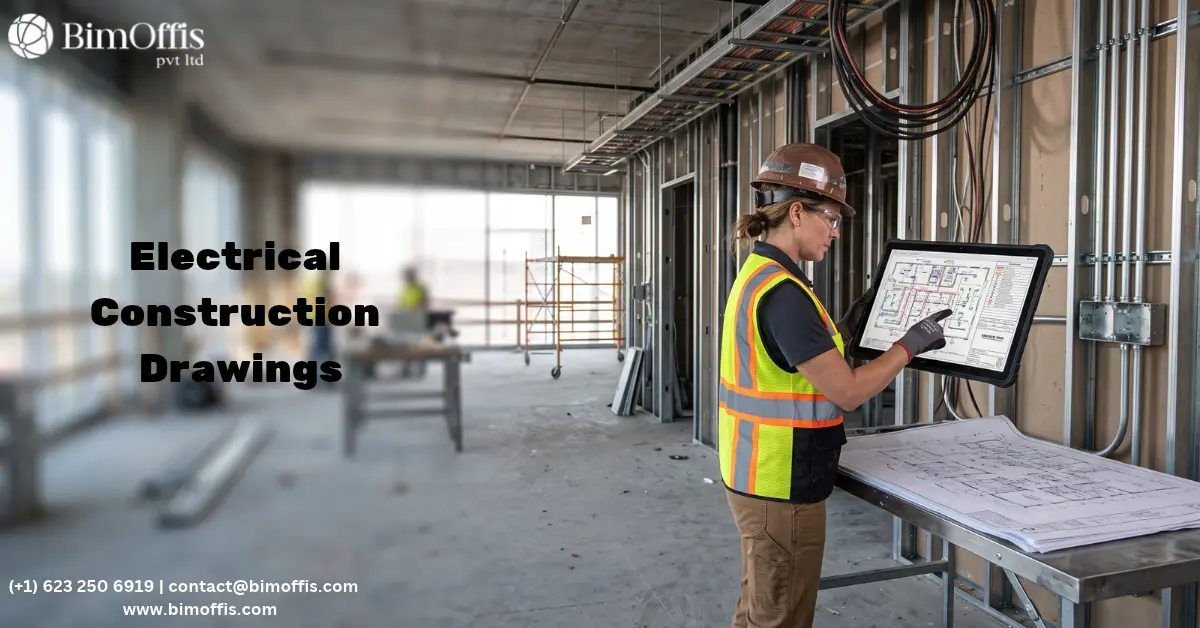
- Mechanical, electrical, and plumbing construction drawings
- Civil drawings covering drainage, utilities, and site work
- Detailed specifications for materials and workmanship
- Documentation required for permits and approvals
Why Document Quality Matters
A strong CD package helps contractors price the project accurately and build it with confidence.
Clear documents answer many questions before they become RFIs. Contractors can understand the scope, coordinate their work, and avoid unnecessary assumptions.
A weak CD package creates the opposite experience.
When drawings contain gaps or unclear information, contractors often increase their contingencies to protect themselves from risk. Questions start piling up during construction. Teams spend valuable time responding to RFIs, resolving conflicts, and making decisions that should have been documented earlier.
In many cases, site teams end up making judgment calls because the documents do not clearly explain what should happen.
The quality of the documentation has a direct impact on the quality of construction. That is why rushing a CD package rarely delivers the savings people expect.
How These Three Phases Actually Connect
The three phases do not operate independently. Each one builds directly on the work completed before it.
SD establishes the direction. DD proves that the direction works. CD documents the solution so contractors can build it.
What Happens When SD Gets Rushed
When teams rush schematic design, they often carry unresolved questions into design development.
Instead of focusing on technical coordination, the team spends time revisiting basic planning decisions that should already be settled.
What Happens When DD Lacks Coordination
When consultants delay coordination during DD, the same issues usually show up during the CD phase.
As a result, construction documentation becomes a mix of coordination work and documentation work, which slows progress and increases risk.
Why Problems Become More Expensive Later
If teams fail to resolve issues during both SD and DD, those problems often reach the construction site.
Construction is the most expensive place to discover design conflicts. Changes affect labour, materials, schedules, and multiple trades at the same time.
The Most Efficient Approach
The teams that consistently deliver successful projects respect the purpose of each phase and give it the attention it deserves.
Not because they have more time than everyone else, but because they understand a simple reality:
Fixing problems during design costs far less than fixing them during construction.
Ready to find out what your project will cost? Find out here.
Frequently Asked Questions from Clients
What does SD stand for in construction?
SD stands for schematic design, the first design phase where the team establishes the building’s fundamental layout, massing, and direction before working out any technical detail.
What does DD stand for in construction?
DD stands for design development, the phase where the approved schematic design gets worked out technically with all consultants actively coordinating their systems together.
What does CD stand for in construction?
CD stands for construction documents, the complete technical package covering every drawing, detail, and specification the contractor needs to price accurately and build correctly.
Why is schematic design the most important phase?
Because the biggest decisions get made here at the lowest cost, a layout change at SD takes hours, while the same change at CD stage takes weeks and costs significantly more.
What happens if design development gets rushed?
Coordination problems that should have been resolved during DD move into the CD stage or onto the construction site, where fixing them costs significantly more time and money.
How do SD, DD and CD connect to each other?
Each phase builds directly on the previous one, SD sets the direction, DD confirms it works technically, and CD documents it fully so the contractor can actually build it.