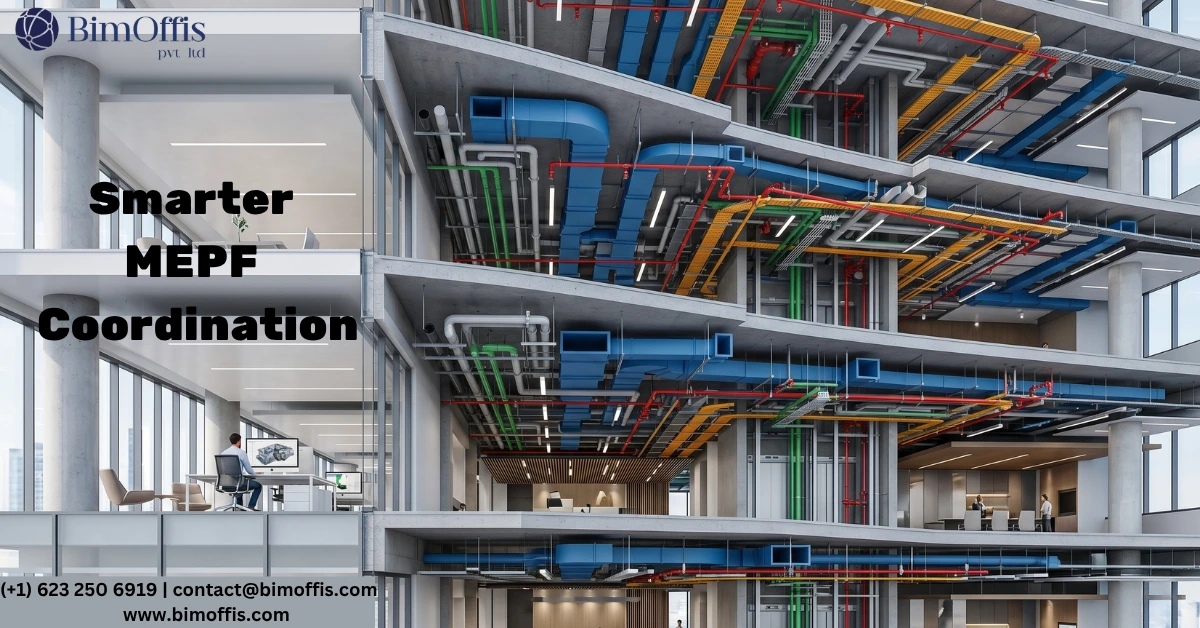
Anyone who has managed a complex construction project understands one thing clearly. The building systems hidden behind ceilings and walls usually create the biggest construction challenges.
Ductwork competes for ceiling space. Electrical cable trays interfere with fire protection systems. Plumbing risers pass through structural zones without proper coordination. These conflicts often lead to delays, rework, and increased project costs.
This is where MEPF BIM modeling changes the process.
MEPF stands for mechanical, electrical, plumbing, and fire protection. These systems require constant coordination throughout design and construction. MEPF BIM modeling helps project teams manage that coordination accurately and efficiently.
What Is MEPF BIM Modeling?
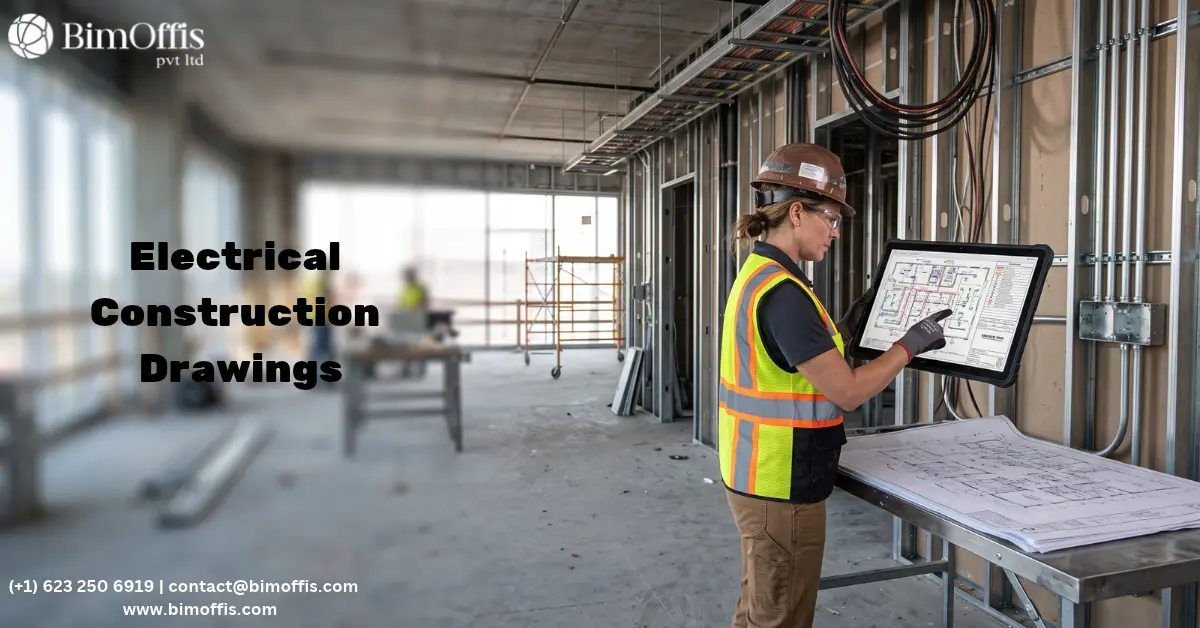
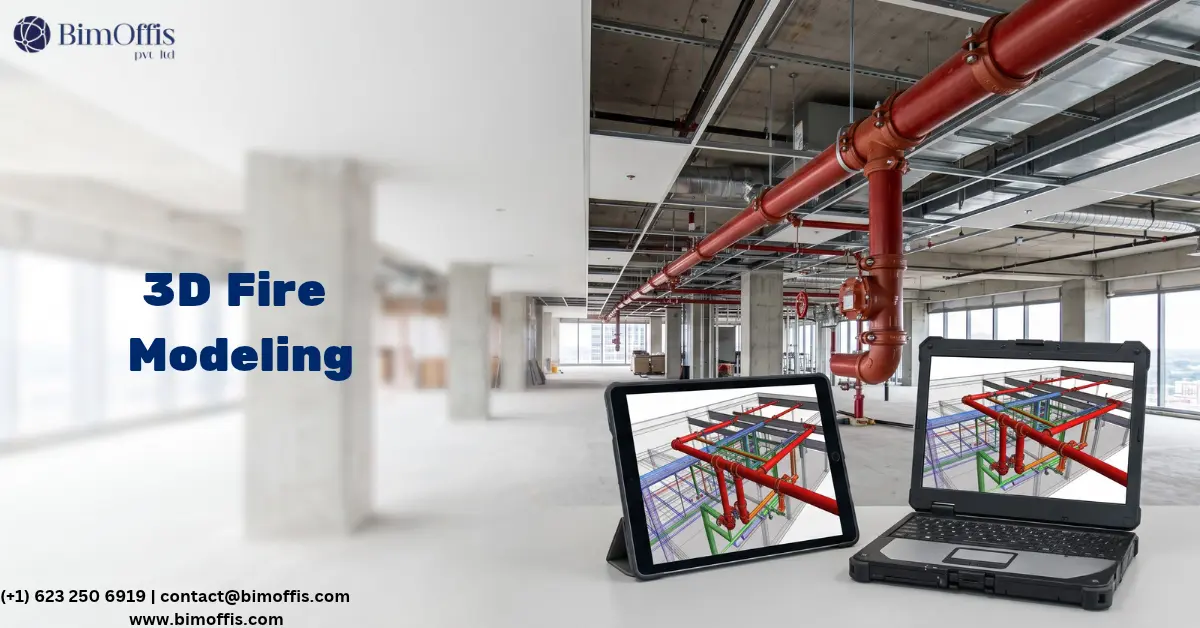
MEPF BIM modeling creates accurate, data-rich 3D models for all building service disciplines within a shared BIM environment.
Instead of using separate drawings for each discipline, teams work within one coordinated model. The model contains real dimensions, accurate routing, and detailed system information.
Traditional MEP workflows depend heavily on 2D drawings and manual coordination. Teams often overlay drawings and hope that systems fit correctly during installation.
MEPF BIM modeling removes that uncertainty. Teams identify and resolve conflicts in the digital model before construction begins.
Better Spatial Planning During Design
One major benefit of MEPF BIM modeling is improved spatial planning during early design stages.
When teams model MEPF systems early, designers can make smarter architectural and structural decisions. Ceiling voids can accommodate actual service requirements. Plant rooms and risers can support real equipment dimensions.
This early coordination improves design quality and reduces future construction issues.
Key Design Benefits
MEPF BIM modeling supports:
Accurate ceiling void depth calculations
Proper sizing of risers and plant rooms
Early structural coordination for penetrations
Identification of congested service zones
Better integration of energy-efficient systems
Smarter System Routing
Traditional 2D workflows often hide routing conflicts. A duct may appear correct on a plan drawing but clash with cable trays or chilled water pipes in real space.
MEPF BIM modeling exposes these issues immediately.
Designers can route systems based on actual spatial conditions instead of simplified plan views. This approach improves installation accuracy and reduces costly revisions later.
Improved Coordination Across Disciplines
Effective Clash Detection
Clash detection remains one of the biggest advantages of MEPF BIM modeling.
When all disciplines work inside a coordinated model, software can automatically identify conflicts between systems and structures.
Teams can detect:
Hard clashes between physical elements
Clearance issues between systems
Conflicts with beams, columns, and slabs
Interference with ceilings and wall finishes
Access problems caused by installation sequencing
As a result, coordination meetings become more productive. Teams solve problems using accurate visual information instead of assumptions.
Real-Time Multidiscipline Coordination
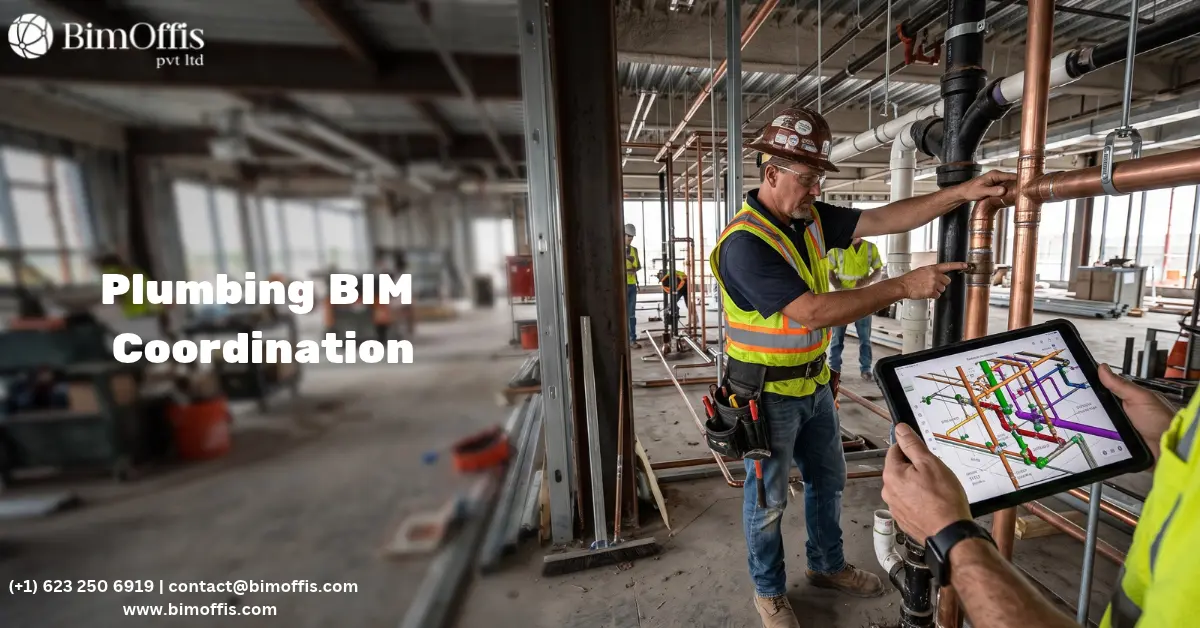
A coordinated BIM environment allows all disciplines to work together continuously.
For example, when mechanical engineers reroute a duct, electrical and plumbing teams can immediately see the impact. Teams can then resolve related conflicts before issuing updated drawings.
Traditional workflows often require multiple revision cycles before teams identify the full impact of a design change. BIM coordination shortens that process significantly.
Improved Construction Efficiency
Better Installation Sequencing
MEPF systems require careful installation sequencing on-site.
Different trades work in stages, and poor sequencing often creates access problems. MEPF BIM modeling helps teams plan installations logically and efficiently.
Installation Benefits Include
Better site access for each trade
Correct positioning of interconnected systems
Reduced routing conflicts during installation
Improved project scheduling accuracy
Lower rework costs
Support for Prefabrication
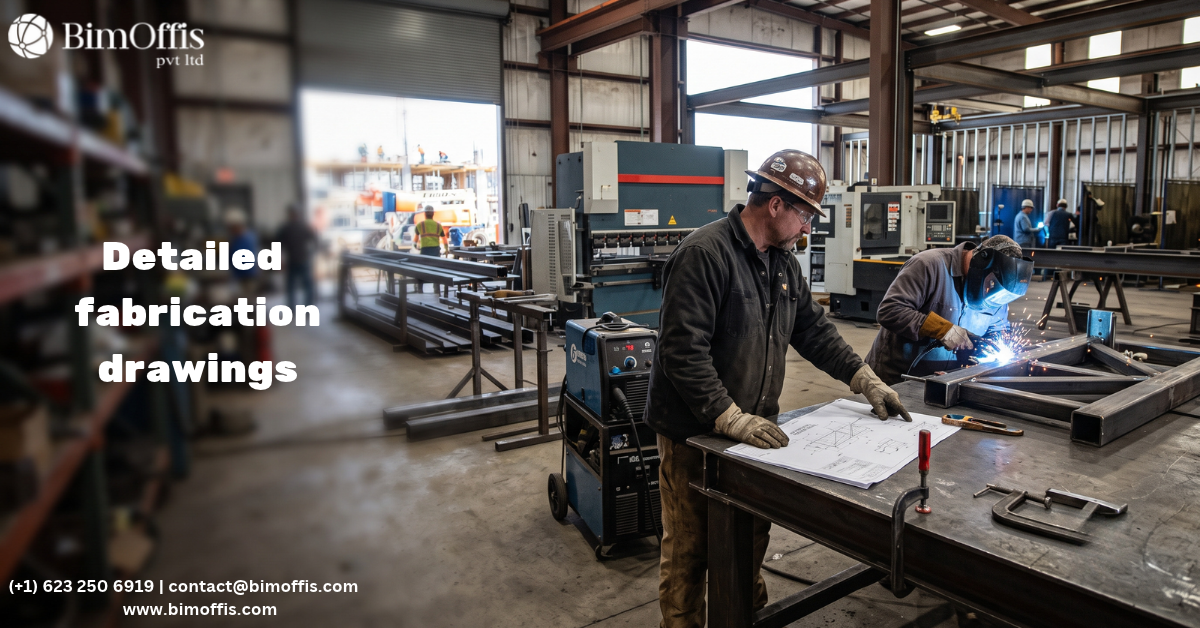
Detailed BIM models also support off-site prefabrication.
When models include fabrication-level detail, contractors can manufacture assemblies in controlled factory environments. Teams then deliver completed sections directly to the site.
Prefabrication Advantages
BIM-supported prefabrication offers:
Reduced on-site labor requirements
Improved quality control
Faster installation times
Lower material waste
Reduced storage requirements on-site
Better Programme Certainty
Poor MEP coordination causes many construction delays.
When systems clash during installation, teams must stop work, redesign routes, and issue revised drawings. These delays affect schedules and increase costs.
MEPF BIM modeling reduces these risks by resolving coordination problems during design instead of during construction.
As a result, projects gain stronger programme certainty and fewer unexpected disruptions.
What Makes MEPF BIM Modeling Effective?
Not all BIM workflows deliver the same results.
Successful MEPF BIM modeling requires:
Accurate modeling with real dimensions
Proper connector and equipment data
Continuous coordination throughout design
Active participation from all disciplines
Correct updates after coordination reviews
Appropriate LOD for each project phase
Teams that treat clash detection as an ongoing coordination process achieve far better results than those using BIM only for final checks.
Conclusion
MEPF BIM modeling improves design quality, coordination, and construction efficiency by solving problems before work begins on-site.
It supports better spatial planning, smarter routing, improved installation sequencing, and more reliable project schedules.
On complex commercial, healthcare, and data center projects, strong MEP coordination is not optional. It is essential for successful project delivery.
Ready to find out what your project will cost? Find out here.
Frequently Asked Questions from Clients
What does MEPF stand for in BIM modeling?
MEPF stands for mechanical, electrical, plumbing, and fire protection, the four building services disciplines modeled together in a coordinated BIM environment.
How does MEPF BIM modeling improve coordination between disciplines?
It puts all four disciplines in the same three-dimensional model so conflicts surface on screen during design rather than on site during installation.
What is clash detection in MEPF BIM modeling?
It is the automated process of finding every geometric conflict between MEPF systems, structural elements, and architectural components before any installation work begins on site.
How does MEPF BIM modeling support prefabrication?
A model built to fabrication-level detail allows MEP contractors to manufacture assemblies off-site in a controlled environment and deliver them to site ready to install directly.
Does MEPF BIM modeling help with construction programme?
Yes, by resolving coordination conflicts during design rather than on site, it removes the rework cycles that consistently cause programme overruns on complex building projects.
What makes MEPF BIM modeling genuinely effective on a real project?
All four disciplines modeled at real dimensions, regular coordination rounds throughout design, and resolutions flowing back into the model correctly after every coordination meeting.