You walk into an office building every day. The room stays cool in summer and warm in winter. You turn on a tap and hot water comes out within seconds. Moreover, the lights adjust on their own. A fire alarm system sits quietly in the ceiling, ready if anything goes wrong. You never think about any of this because it all just works.
But someone had to plan all of it. Someone had to design it, coordinate it, and install it correctly. That someone is an MEP engineer.
What Does MEP Mean?
MEP stands for mechanical, electrical, and plumbing. Together, these three things cover every system that makes a building functional for the people inside.
Most projects treat them as one group because they connect so deeply to each other. For instance, they share ceiling spaces, cross paths constantly, and decisions in one discipline directly affect the other two. However, each one still has its own specialists, its own installation crews, and its own way of getting things done.
What Are Mechanical Systems in MEP?
Mechanical on a building project almost always means HVAC. In other words, it covers heating, ventilation, and air conditioning.
Picture the large ducts above your office ceiling. The rooftop units humming away. The vents in every room. Additionally, the boilers in the basement plant room and the chillers keeping large spaces comfortable all fall under mechanical.
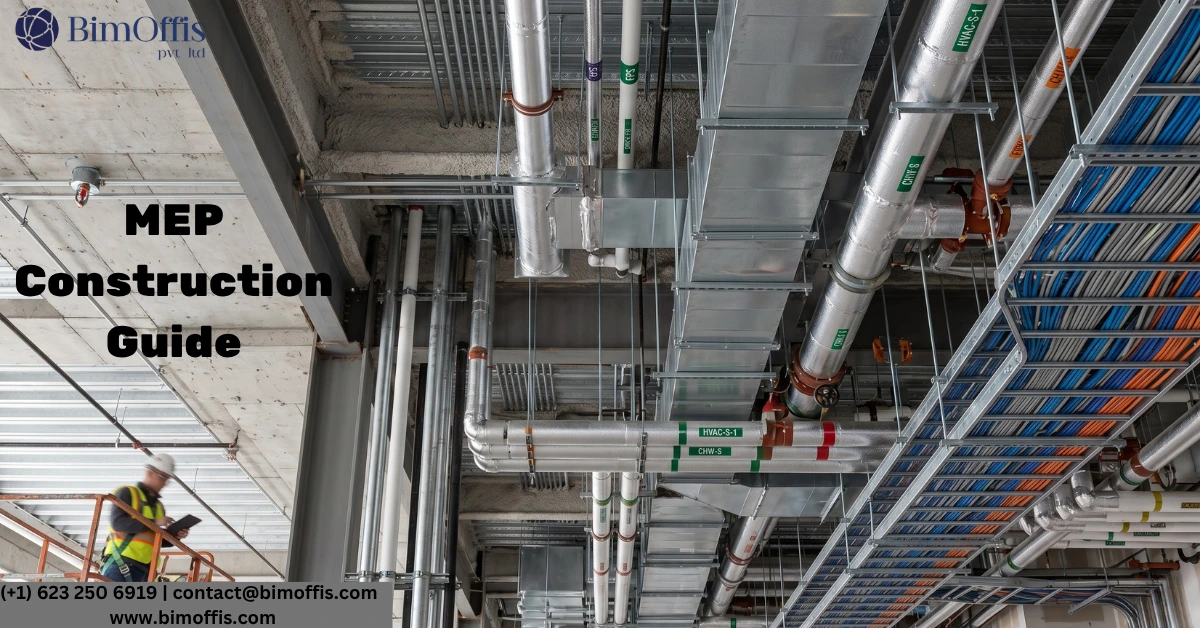
On commercial buildings, mechanical takes up the most physical space and usually costs the most within the MEP package. Ductwork is large and bulky, so it has to go somewhere. That somewhere is the ceiling void. However, structural beams, electrical trays, water pipes, and drainage all want that same space. As a result, that is where the real coordination headaches begin.
Furthermore, mechanical also covers kitchen extraction, car park ventilation, and smoke control systems. These systems keep stairwells and corridors clear during a fire so people can get out safely.
What Do Electrical Systems Cover?
Electrical covers how power enters a building and reaches every point that needs it.
Power starts at the main supply from the street. From there, it travels through switchboards and distribution boards to every socket, light fitting, and piece of equipment in the building. In addition, designers have to account for everything the building runs at once and make sure protection systems handle faults safely.
Lighting goes far beyond making rooms bright. For example, buildings today must meet strict energy targets. Sensors detect empty rooms and dim the lights automatically. Meanwhile, controls read natural light levels and adjust accordingly. As a result, dimming systems make spaces feel right for the people working in them.
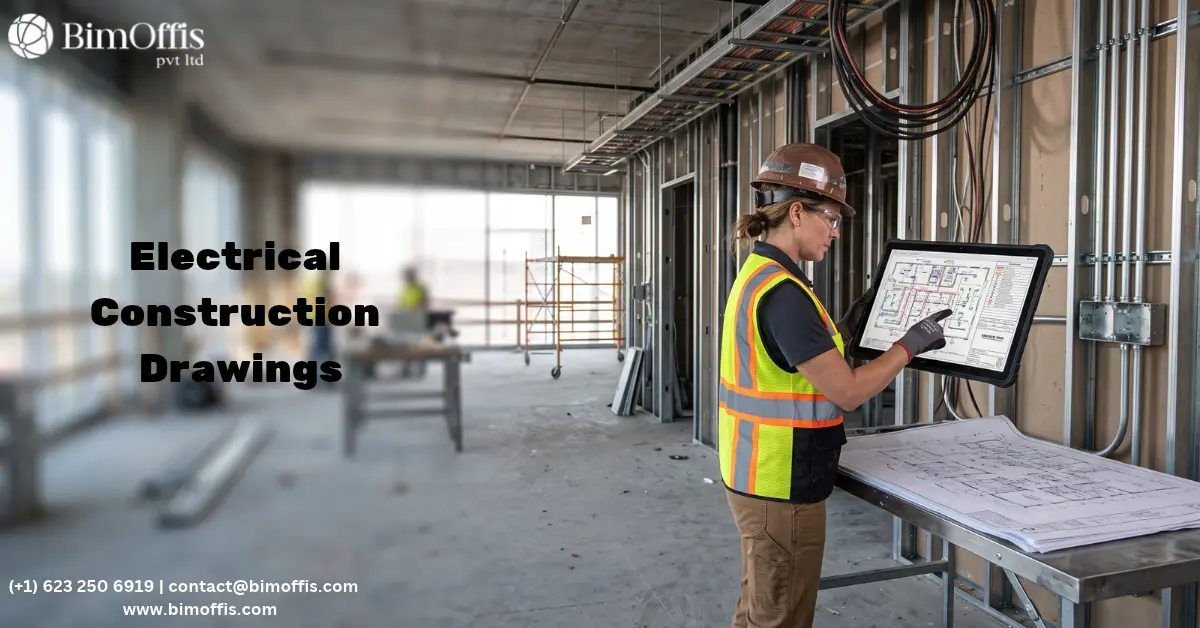
Furthermore, the low voltage side has grown into a large scope on modern buildings. Fire alarms, door access, CCTV, data cabling, audio visual equipment, building management systems, and emergency lighting all sit within electrical. Each one needs proper design, installation, and commissioning.
What Does Plumbing Cover in MEP?
Plumbing brings water in and takes wastewater out. Simple idea, but complicated in reality.
Cold water enters from the mains, gets stored and pressurised, then travels to every tap, shower, toilet, and kitchen point. Hot water, however, is a separate challenge. You need a system that keeps water hot all the way to a tap on the eighth floor without making someone wait for it to warm up.
Drainage carries wastewater from every fitting and routes it out of the building by gravity. Therefore, getting that right means planning pipe falls carefully, adding access points for blockages, and routing everything without damaging structural elements or ruining finishes.
In addition, some buildings need gas supply to kitchens and plant rooms. Others collect and reuse rainwater. Hospitals and laboratories, for example, need medical and lab gas systems built to very strict standards.
Why MEP Coordination Is So Important
Here is what catches people off guard when they first start working in construction.
All these systems share the same small spaces inside a building. Above a standard office ceiling, there might be only 500 to 600 millimetres of void space. HVAC ducts, cold and hot water pipes, chilled water pipes, electrical cable trays, data cables, fire sprinkler pipework, and drainage from the floor above all need to fit in there. On top of that, structural beams take up space too.
Good coordination means everything fits without clashing. As a result, trades come in, work in the right order, and finish on time. Poor coordination, on the other hand, means trades stand around waiting. Systems get torn out and rerouted. Consequently, costs pile up fast that nobody budgeted for.
How BIM Helps MEP Coordination
Before BIM, coordination problems showed up on site. A contractor would arrive to install pipework and find ductwork already blocking the route. As a result, arguments followed, then delays, then expensive fixes.
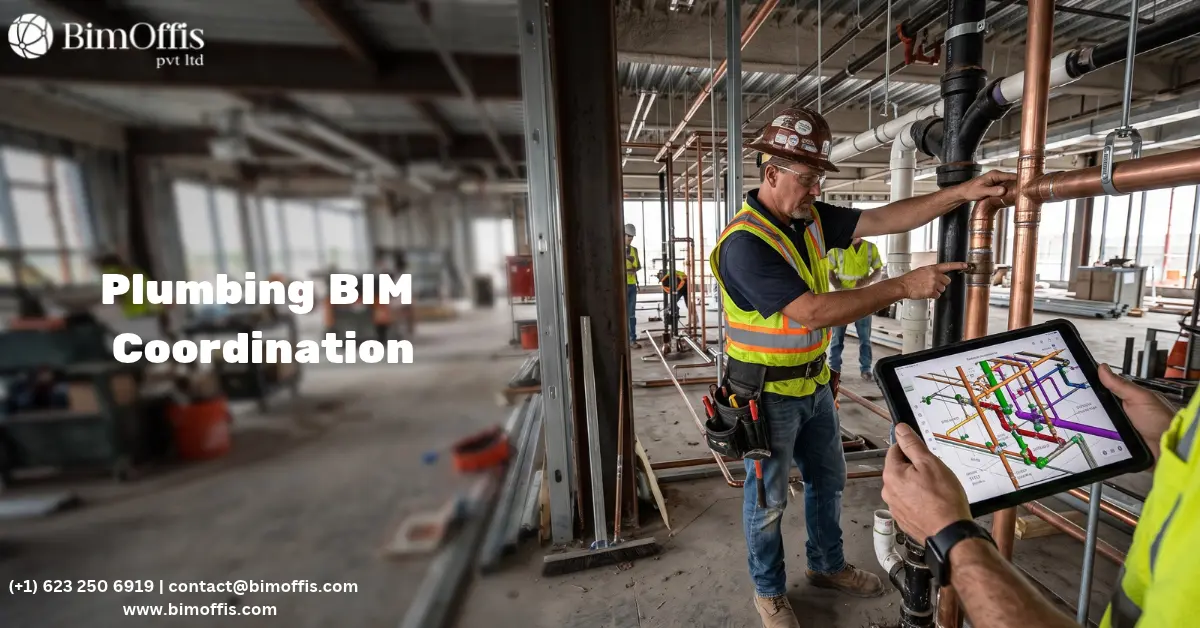
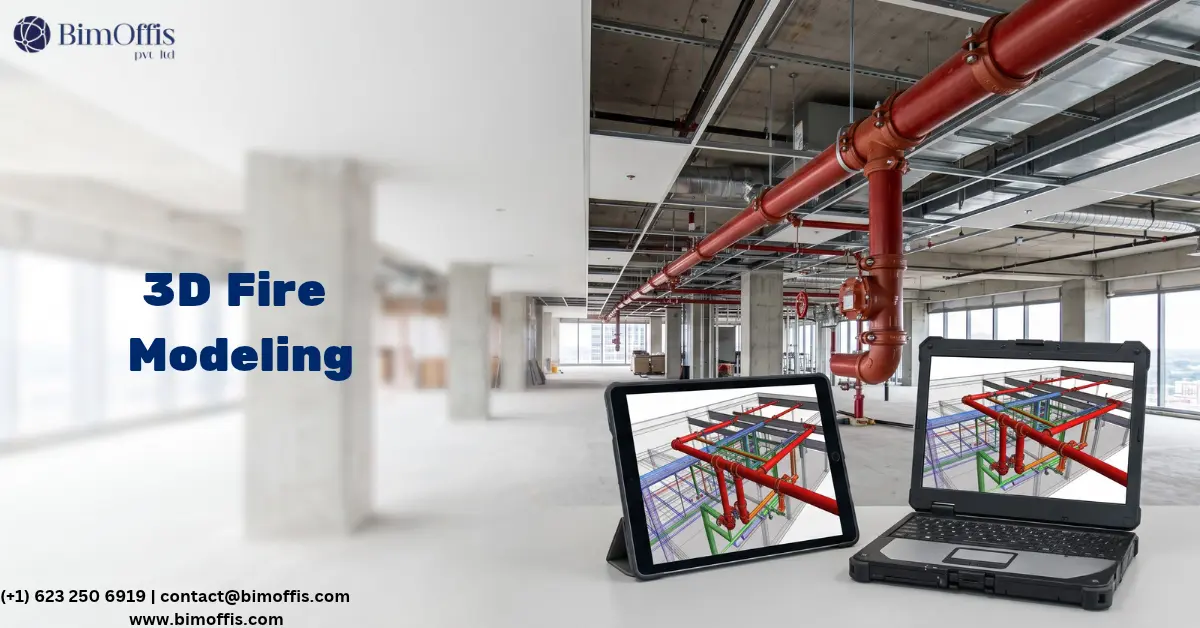
BIM, however, lets teams build the entire building digitally before physical work starts. Every MEP system gets modelled in three dimensions alongside the structure and architecture. Therefore, clashes appear on screen during design, not on site with a crowbar and a change order.
The process still takes real work and effort. Nevertheless, BIM has genuinely changed what teams can achieve with MEP coordination on complex projects.
Why Getting MEP Right Actually Matters
A building that looks finished but has poor MEP is not really finished. Tenants complain about temperatures they cannot control. Taps run cold. Lighting fails. Moreover, systems break down in the first year because nobody commissioned them properly.
These problems are expensive to fix. They also damage relationships with clients and tenants. Some of them, furthermore, create real safety risks.
Nobody takes photos of ductwork for a project brochure. But MEP is what makes the building work. Get it right and the building does its job for the next thirty or forty years. Get it wrong, however, and everyone inside notices it every single day.
Ready to find out what your project will cost? Find out here.
Frequently Asked Questions from Clients
What does MEP stand for in construction?
MEP stands for mechanical, electrical, and plumbing, the three core systems that make a building functional for its occupants.
Why is MEP important in a building?
Without MEP systems, a building has no heating, cooling, power, lighting, water supply, or drainage, making it completely unusable.
What does a mechanical system include in MEP?
Mechanical systems cover heating, ventilation, air conditioning, ductwork, boilers, chillers, and smoke control systems throughout the building.
What is MEP coordination and why does it matter?
MEP coordination is the process of planning all three systems together so they fit in the same spaces without clashing or causing delays on site.
How does BIM help with MEP in construction?
BIM allows MEP systems to be modelled in 3D so clashes with structure and architecture get identified and fixed before construction begins.
Who is responsible for MEP design on a construction project?
Specialist MEP engineers and consultants handle the design, while dedicated installation trades carry out the work on site under close coordination.