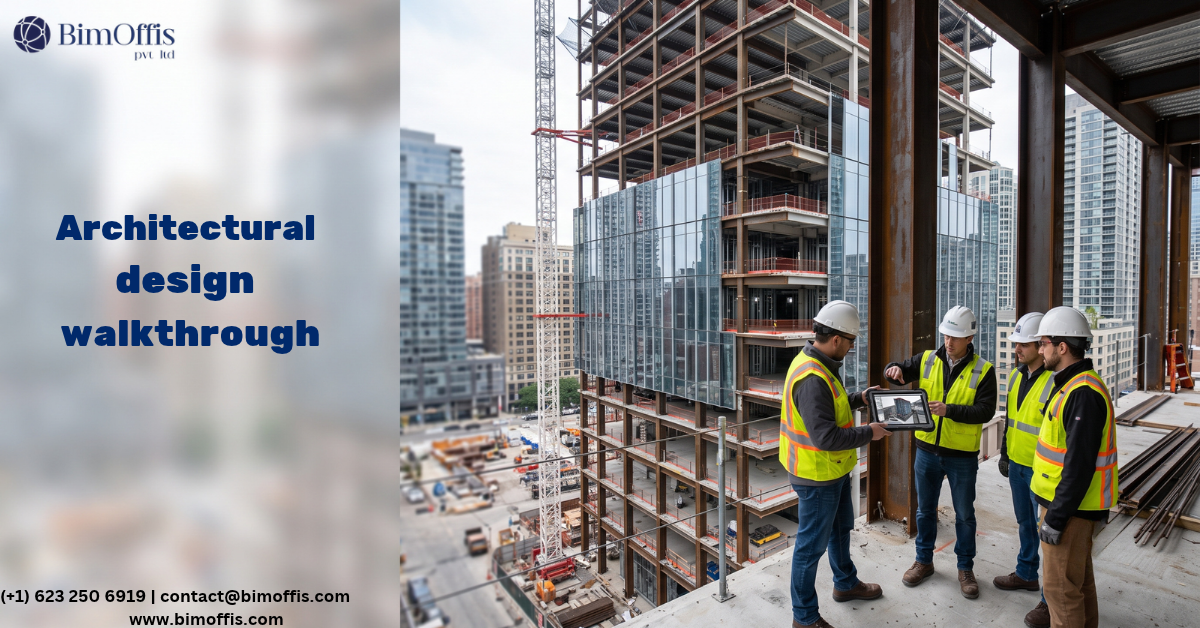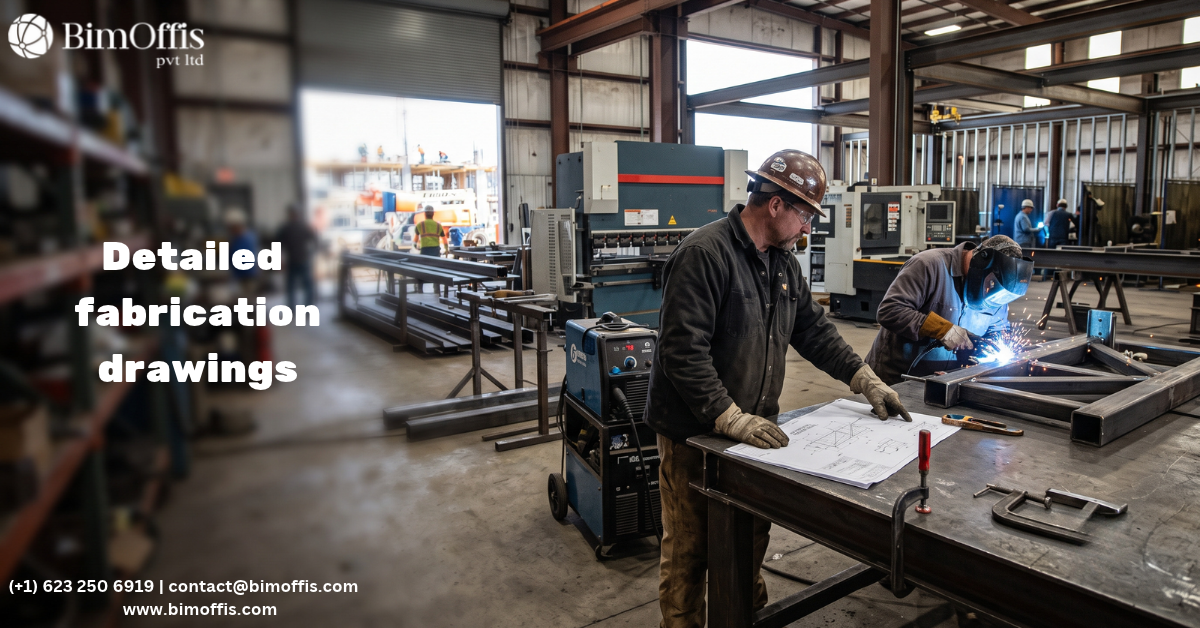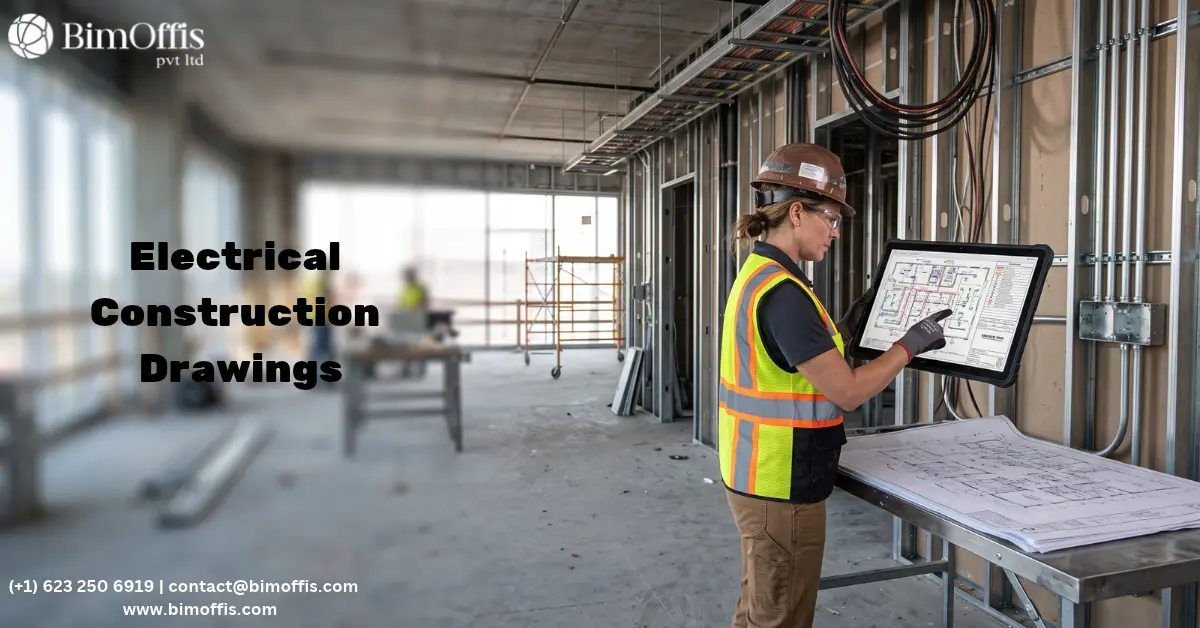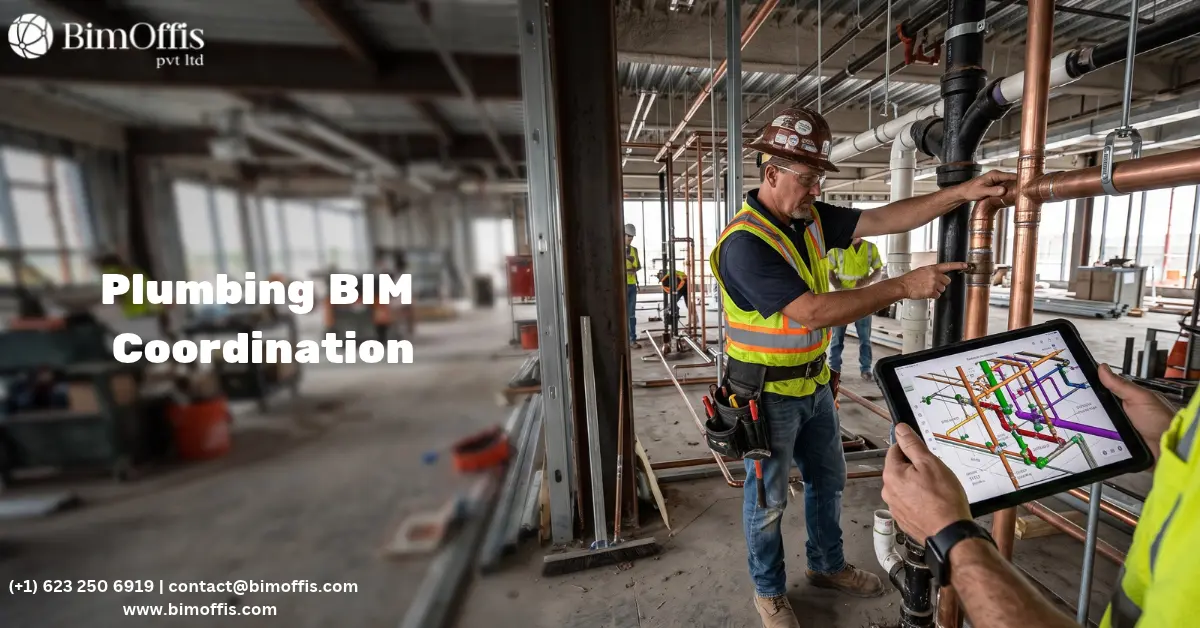
It is almost never the design that causes the real problems. The concept was good. The design development went well. Everyone felt happy with the direction. And then the project hits construction, and everything starts unravelling, change orders, disputes, delays, cost overruns that nobody can quite explain, and when you trace it all back, it leads to the same place every time.
The construction documents were not good enough.
Not wrong, necessarily. Not obviously incomplete. Just not complete enough, not coordinated enough, not clear enough to give the people actually building the thing what they needed. On a construction project, those gaps get filled by whoever stands on site, making decisions under time pressure. Those decisions are not always the ones the design team would have made.
That is what this guide is about. Not the theory of construction documents. The practical reality of what they need to do and what happens when they fall short.
What Construction Documents Are
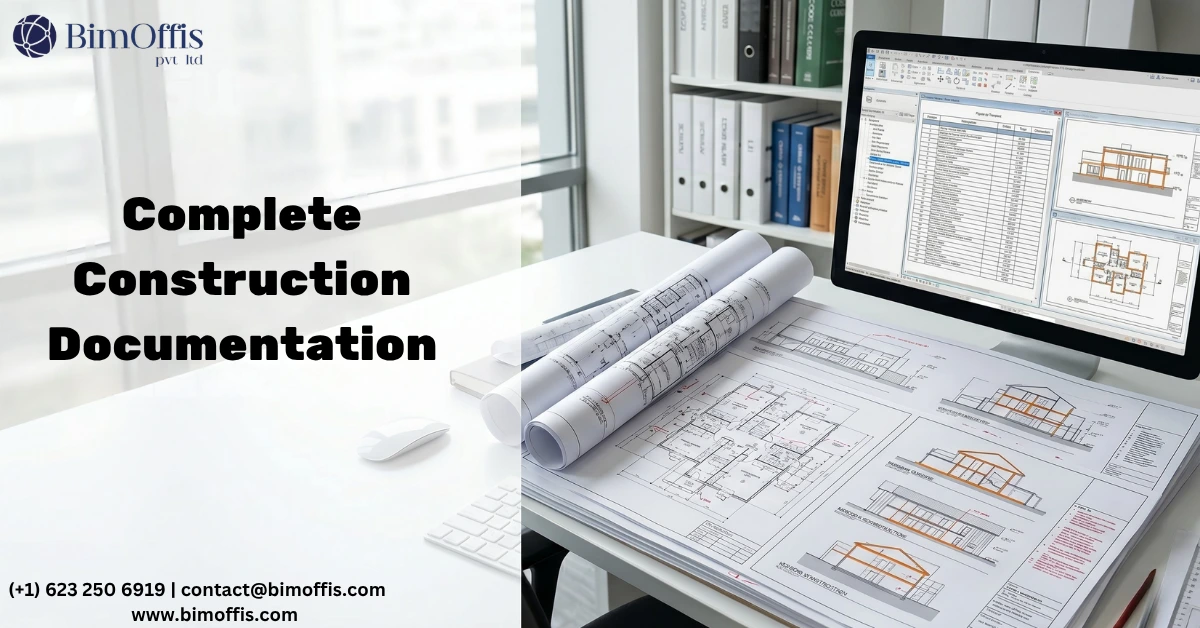
Construction documents are the complete technical package that a contractor uses to price a project accurately and build it correctly.
Everything that happened in schematic design and design development feeds into this stage. The design direction gets locked in. The technical coordination gets resolved. Then all of it gets documented at the level of detail that makes construction actually possible.
A complete package covers:
- Architectural drawings for every floor plan, elevation, section, and detail
- Structural drawings covering foundations, framing, and connections
- MEP drawings for mechanical, electrical, and plumbing systems
- Civil drawings for site work, grading, drainage, and external utilities
- Specifications describing every material, product, and workmanship standard
These components need to work together. An architectural drawing that conflicts with the structural drawing, or a specification calling for something different from what the drawings show, creates ambiguity. Ambiguity on a construction project turns into disputes, change orders, and delays. Every time.
What Each Component Actually Does
Architectural Drawings
Architectural drawings cover the building at different scales. Floor plans show the overall layout. Reflected ceiling plans show ceiling heights and what sits above them. Elevations show every face of the building. Sections show how the building works vertically. Details, and there need to be plenty of them, show how specific conditions actually get built.
The details are where document quality either shows up or hides. Standard conditions get handled by typical details. But every project has conditions that are not standard. The junction between two different wall types. The interface between interior fit-out and the building envelope. The condition at a change of floor level. These conditions need specific details addressing what is actually happening at that location.
Generic details applied to conditions they were not designed for cause real problems on site. Someone has to make a decision about how to build something the documents did not properly address. That decision happens under time pressure by someone without access to the design intent behind it.
Structural Drawings
Structural drawings define the complete structural system. They need to coordinate with the architectural drawings so structural elements sit where the architecture expects them, and so structural depths stay consistent with the ceiling heights the architecture requires.
When structural and architectural drawings conflict, which happens regularly when the two disciplines produce their documents without proper coordination, someone on site resolves it. Not always the way the design team would have.
MEP Drawings
MEP drawings are where the most expensive site problems originate when documents fall short. Mechanical, electrical, and plumbing systems compete for the same ceiling and wall zones. They interact with structural elements. They connect to equipment with specific spatial requirements.
When MEP drawings leave routing decisions unresolved because the design team did not sort them out during document production, those decisions happen on site. Sometimes that works. Sometimes it creates clashes with structure or architecture that require cutting out work and reinstalling it. That situation is never cheap and never quick.
Specifications
Specifications are the written part of the package. They describe in detail what materials and products need to be used, what workmanship standard applies, and how compliance gets tested and confirmed.
A good specification removes ambiguity. A vague specification, on the other hand, leaves room for the contractor to interpret it in whatever way suits their preferred approach. That approach may be perfectly reasonable from a construction standpoint while being completely at odds with what the design team was expecting.
Both the drawings and the specifications form part of the contract. When they conflict, both parties can point to the contract in support of their position. The right time to resolve those conflicts is during document production. During construction, resolving a conflict between drawings and specifications becomes a dispute. During document production, it is just editing.
What Actually Makes Documents Good
Coordination That Happened Before Issue
The most common reason construction document packages fail is poor coordination between disciplines. The architectural dimensions do not account for structural element sizes. MEP systems route through structural elements that nobody coordinated. Specifications call for products that contradict what the drawings show.
Good documents come from a coordinated design process where all disciplines work together through design development to resolve conflicts before they end up locked into the document set. That coordination cannot happen in the last two weeks before the documents go out. It needs to happen continuously throughout the design process.
Actually Complete Coverage
Most document sets that cause problems on site are not obviously incomplete. They cover standard conditions, include typical details, and specify main materials. What they miss are the unusual conditions, the junctions between systems, the interfaces between different building elements that do not follow standard practice.
A contractor reading a drawing set cold does not know what the design team discussed and resolved during design development. They only know what the documents contain. Every condition missing from the documents gets resolved by someone on site without access to the background. Sometimes they get it right. Sometimes they do not.
Clarity That Needs No Interpretation
A document that can be read two ways will be read the way that is most convenient for whoever reads it. Clarity means dimensions leaving no room for interpretation. Details showing exactly how elements connect. Specifications using precise language rather than broad performance descriptions that mean different things to different people.
Internal Consistency
When the drawings show one thing and the specifications say another, everyone loses. The contractor builds what is most convenient. The design team disputes it. Both parties point to different parts of the contract. A document review before the package gets issued, specifically looking for those conflicts, is not overhead. It is protection against disputes that cost far more than the review does.
The Mistakes That Show Up on Almost Every Project
The design team knows the building completely by the time construction documents get produced. They know what was decided and why. They understand the intent behind every detail. That familiarity creates a blind spot.
Information that seems obvious to someone living with the design for months is not obvious to a contractor reading the drawing set for the first time. Design intent discussed in a meeting six months ago and never added to the documents does not exist as far as the contractor is concerned.
The fix is a deliberate review of the document set specifically looking for conditions that are underdetailed, conflicts between documents, and information that exists only in the design team’s heads. Not just checking that the drawings look complete, but checking that every condition occurring in the building actually gets addressed somewhere in the package.
The Honest Version
Good construction documents are not glamorous. Nobody writes about them. Clients do not appreciate them the way they appreciate a good design. And yet the quality of the construction document set determines, more than almost any other single factor, whether a project delivers what was designed or ends up as a long series of expensive compromises between what was intended and what the contractor could build from the information provided.
Get the documents right and construction becomes a controlled process of building what was designed. Get them wrong and construction becomes a daily exercise in resolving problems that should never have reached the site.
Ready to get your construction documents done right? Start your project with us.
Frequently Asked Questions from Clients
What are construction documents?
The complete technical package of drawings, details, and specifications that tells the contractor exactly what to build and how to build it.
What does a complete construction document package include?
Architectural, structural, MEP, and civil drawings plus specifications covering every material, product, and workmanship standard that applies to the project.
Why do poor construction documents cause so many problems on site?
Every gap in the documents gets filled by whoever is on site making decisions under time pressure, and those decisions are not always what the design team intended.
What is the most common reason construction document packages fail?
Poor coordination between disciplines, structural depths conflicting with ceiling heights, MEP systems routing through structural elements, specifications contradicting what the drawings show.
Is a 3D walkthrough animation better than a virtual tour?
Both form part of the contract, when they conflict, it becomes a dispute, and resolving disputes during construction costs significantly more than resolving conflicts during document production.
What separates genuinely good construction documents from average ones?
Real coordination between disciplines throughout design development, complete coverage of unusual conditions, and a deliberate review for gaps and conflicts before the package gets issued.