Honestly, most rendering projects go sideways before anyone builds a single model.
Not because the rendering team lacks skill. Not because the design falls short. But because the briefing was rushed, incomplete, or just assumed too much.
I get it, you’re busy. Client calls, site visits, three projects running at once, and somehow you still need to prep a full briefing package for your rendering team. So you pull together whatever you have, jump on a call, talk through the concept, and hope for the best.
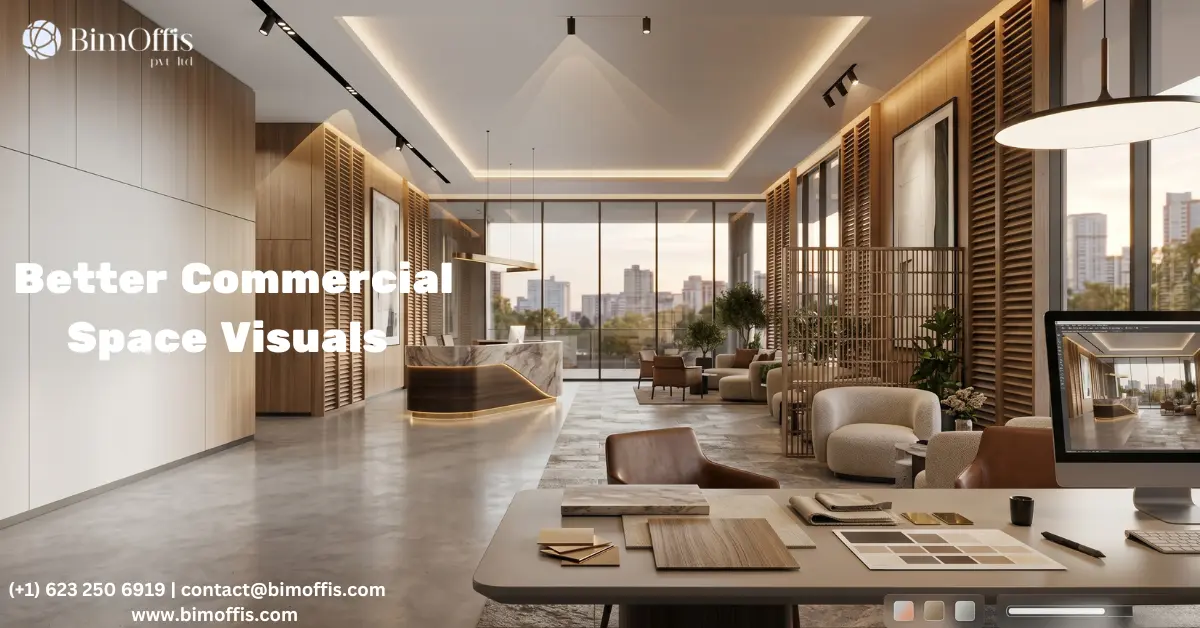
Then the first draft arrives, and your heart sinks a little. The lighting feels flat. The materials look generic. The camera angle makes your beautifully designed lobby look like a hotel corridor from 2009.
Sound familiar?
Here’s the truth: a great interior 3D rendering services team can only work with what you give them. The better your prep, the better your output. It really is that simple.
So let’s talk about what you actually need to have ready before you brief anyone.
Sort Your Drawings Out First, Properly
Floor Plans Need to Be Fully Dimensioned
I know this sounds like the most basic thing in the world. But you’d be surprised how many briefings happen with plans that still carry unresolved corners, approximate room sizes, or layouts that haven’t caught up with the latest client feedback.
Your rendering team builds a 3D space from your drawings. When the drawings have gaps, the model carries those same gaps. Before sending anything across, make sure your plans stay current, fully dimensioned, and actually reflect where the design stands right now.
Ceiling Plans Matter More Than People Think
Commercial spaces get defined as much by what happens above as what sits on the floor. Exposed services, feature ceilings, cove lighting, varying heights across different zones, all of it changes how the space renders. Send your reflected ceiling plans. Mark the heights clearly. Don’t make the team guess.
Add Sections for Anything Vertically Complex
Double height lobbies, mezzanine levels, feature staircases, when your space carries any vertical drama, a section drawing beats a hundred floor plans. It gives the team a real sense of proportion that no plan view can communicate on its own.
Know Your Materials Before You Pick Up the Phone
This is where most projects lose days. The briefing wraps up, work starts, and the designer still debates between two stone options for the main wall. Everything stalls while everyone waits.
Lock Down Your Key Finishes Before the Call
You don’t need every single accessory confirmed. But your primary surfaces, floor, walls, ceiling, main joinery pieces, need confirmation or at least a maximum of two choices. Walk into the briefing knowing these. It changes everything about how smoothly the project runs.
Share Real Product References Not Just Descriptions
Saying “warm timber veneer with a brushed feel” means ten different things to ten different people. When you specify an actual product, share the manufacturer link or a high resolution image of the real material. Generic textures never match what you actually pictured. Real references do.
Treat Furniture as a Priority Not an Afterthought
Many designers finalize space planning and push furniture decisions to later. In rendering, later simply doesn’t work. The furniture, the pendants, the feature pieces, these elements make a commercial space feel like something real. When you source from specific manufacturers, share those product images. For custom pieces, share your drawings. Placeholder furniture always disappoints clients in a final render.
Decide on Lighting Mood Before the Briefing
Lighting sets the entire emotional tone of a render. Yet briefs stay most vague in exactly this area.
Day Version, Night Version, or Both?
A corporate office lobby needs a bright natural daylight version. A restaurant or cocktail bar needs to show its evening personality with the lighting design doing its thing. Decide which version or both before briefing the team. Leaving this conversation until after the first draft wastes everyone’s time.
Send Your Lighting Layout and Fixture Specifications
When you’ve completed a lighting design, send it across with everything else. Where do the downlights sit? Where do pendants hang? Does the space use cove lighting, backlit panels, or wall washing? The rendering team needs these details to make the space feel intentional rather than generically lit from a single source above.
Know Which Views You Actually Need
Pick Your Hero Shots Before the Call
You know your client better than anyone in the room. You know which view lands in a boardroom presentation and which one falls flat. Pick your two or three priority shots before the briefing and lead with those. Don’t hand view selection entirely to the rendering team, they suggest angles but they don’t understand what your client values most.
Think About Where These Renders Will Actually Go
Pitch deck? Planning submission? Developer brochure? The final destination affects resolution, composition, and how much polish the peripheral areas need. Mention it upfront so nobody works toward the wrong standard.
Write the Brief Down, Even Just One Page
A verbal conversation feels faster. It almost never turns out that way.
A simple written brief, space overview, priority views, confirmed materials, lighting mood, deadline, gives your interior 3D rendering services team something solid to work from. It also prevents awkward back and forth when something comes back slightly off and nobody remembers exactly what everyone agreed on.
The designers who consistently receive great renders back aren’t the ones with the biggest budgets. They’re the ones who show up prepared.
Now you’re one of them. Ready to find out what your project will cost? Find out here.
Frequently Asked Questions from Clients
What kind of material references should I provide?
Share actual product images or manufacturer links. Generic descriptions like “warm timber” mean different things to different people.
How does lighting affect a commercial interior render?
Completely. Lighting sets the whole mood of the image. Wrong lighting makes even a great design look flat and lifeless.
Should I decide on day or night renders upfront?
Yes. A lobby needs daylight. A restaurant needs evening mood. Decide early so the team works in the right direction from day one.
How many camera views do I need for a commercial project?
Two to three hero shots are usually enough for a client presentation. Pick the views that matter most to your client first.
Does furniture matter in commercial interior rendering?
A lot. Furniture, lighting fixtures, and décor pieces are what make a space feel real. Always share product references or custom drawings.
How many camera views do I need for a commercial project?
Two to three hero shots are usually enough for a client presentation. Pick the views that matter most to your client first.