BIM Clash Detection: How to Stop Construction Problems Before They Start
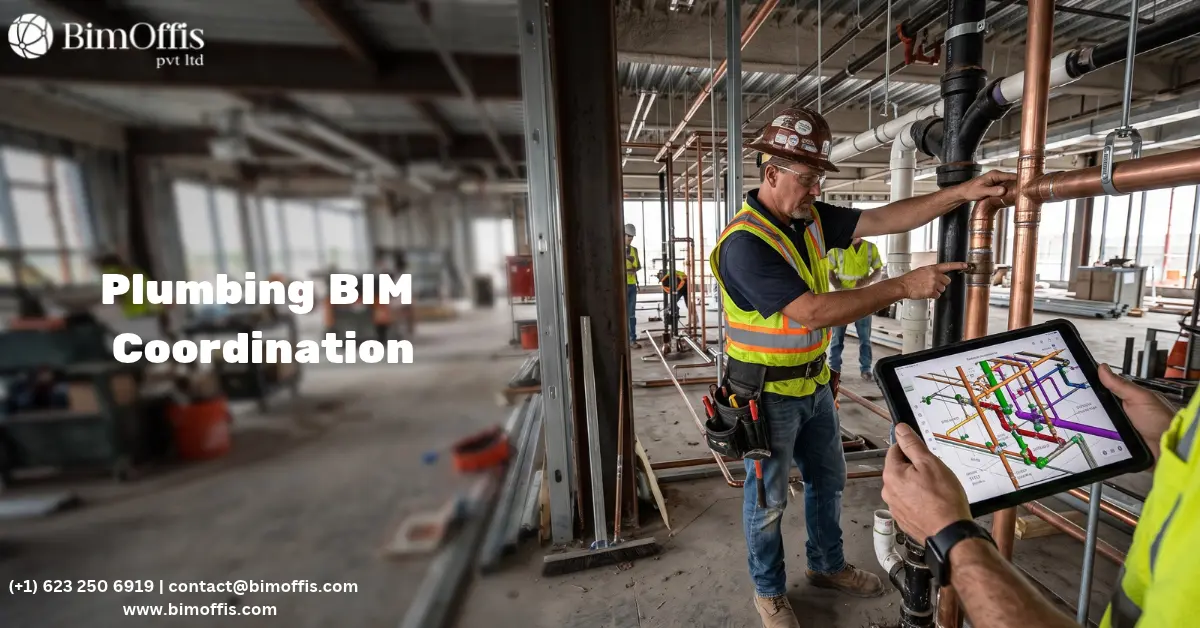
Week three of construction. A plumber calls in. His entire pipe route goes straight through a structural beam that nobody caught during design. Work stops. Everyone’s on the phone. The engineer drives out to site. What could have been sorted in a two-hour meeting six months ago just turned into a three-day stoppage and a change order nobody budgeted for.
This happens more than people admit. And in most cases, it was completely avoidable.
That’s exactly what BIM clash detection is for. Not to make models look impressive. Not to tick a BIM compliance box. It’s there to stop precisely that kind of situation before it ever touches the construction phase.
What BIM Clash Detection Actually Does
Here’s the basic picture. Your architect works in one model. The structural engineer works in another. The MEP consultant has a completely separate file. Everyone makes good decisions within their own scope, but nobody constantly checks how their work lands against what the other disciplines are doing.
At some point, all those separate models have to physically exist in the same building. That’s when you find out if they actually fit together.
Clash detection software takes all those models, stacks them into one federated file, and runs checks to find where things conflict. It doesn’t pick sides. It simply shows you where a duct and a structural beam are fighting over the same 300mm of space, or where three MEP systems all route through a ceiling zone that can’t hold them.
The Three Types of Clashes You’ll Encounter
Three types of clashes show up regularly:
- Hard clashes – two elements occupy the same physical space. Duct through a beam. Pipe through a column. No interpretation needed; these get fixed.
- Soft clashes – nothing overlaps, but clearance rules are violated. No maintenance access to equipment. Systems sit too close to meet code. These need judgment but still matter.
- Workflow clashes – sequencing issues. One trade physically can’t start until another wraps up, but the schedule pretends otherwise. Nothing touches in the model, yet it still causes delays on site.
Which type you’re dealing with changes how you respond and who needs to be involved.
Why This Keeps Being a Problem
Nobody’s Designing in the Same Room
Architects finish layouts first. Structural engineers then design around those layouts. MEP consultants come in afterward and try to fit their systems into whatever ceiling and wall space remains. It’s sequential. That’s how the industry has always worked. And as a result, it creates gaps.
For example, the structural team might add a deep transfer beam on level 4, the right call for loading, nobody questions it. However, the mechanical team had already routed their main duct run through that exact zone. Neither team made a mistake. They simply didn’t know what the other was doing until those two models sat next to each other.
That kind of conflict happens on every project. How serious it gets depends on building complexity and, honestly, how well the team communicates between packages.
Revisions Break Things That Were Already Working
Design is never finished until issue for construction. Floor plans shift. Structural systems change. Mechanical loads increase and systems must grow accordingly. Every one of those changes can knock something else out of alignment elsewhere in the model.
Furthermore, the clashes that nobody catches during revisions are the worst ones. They stay buried until the next formal clash run, or worse, until someone on site runs into them literally. Catching these early, therefore, is not optional, it’s essential.
Why Finding Clashes Early Saves Money
The Later You Find It, the More It Costs
This is the part that’s hard to argue with. A coordination fix during design development might cost a few hours of an engineer’s time. That same conflict caught after concrete pours, steel goes up, and a subcontractor has already started installation? That means demolition, rescheduling, material waste, and a change order with a number that makes the project manager wince.
Consequently, clash detection pulls those problems forward in time, into coordination meetings, model changes, and revised drawings. That’s where fixes are fast and cheap.
One Model, No Arguments
Coordination meetings without a federated model often look like this: two people with different drawings, arguing about which one is current. It’s exhausting and wastes everyone’s time.
When the whole team looks at the same 3D model, however, that argument disappears. The model shows what it shows. When someone proposes dropping a duct run by 200mm to clear a beam, you can immediately see whether it works or creates another problem elsewhere. Decisions that previously took three email chains now happen in ten minutes.
RFIs Tell the Story
High RFI volume during construction is almost always a sign that design coordination left things unresolved. Those questions that should have been answered in a clash review meeting six months ago are now landing on a site manager trying to keep four trades moving at once.
When clash detection is genuinely embedded in the design workflow, not just run once before issue, subcontractors receive cleaner documentation. As a result, the site team stops constantly chasing answers and the job runs closer to programme.
What Actually Makes It Work in Practice
Run It Throughout Design, Not Just at the End
A single clash run before construction issue is almost useless. By that point, problems have been building for months. Weekly checks during active coordination, on the other hand, keep the issue list manageable and prevent backlogs.
Stop Treating Every Clash the Same
Some clashes need urgent resolution. Others close immediately. Focus specifically on the ones affecting primary structure, main systems, and installation sequence, those are the ones that cost you if they reach site.
Get Decision-Makers Into Coordination Meetings
Clash reports sitting in someone’s inbox don’t get resolved. The meetings that actually move things forward are the ones where people who can make a call are in the room. Without the right people present, therefore, even the best clash report achieves nothing.
Document What Was Decided and Why
When a clash closes, record the resolution clearly. Six months later on site, someone will ask why that pipe takes the route it does. Having the answer on record saves considerable back-and-forth and prevents the same discussion from happening twice.
The Honest Summary
BIM clash detection is not some advanced technical process. The concept is straightforward, find the conflicts in a design environment and fix them before they reach the ground. What makes it difficult is doing it properly and consistently across every stage of design, rather than treating it as a last-minute check.
The projects where it works well don’t usually make headlines. They simply finish closer to programme, with fewer surprises, and without the kind of site problems that make everyone’s lives difficult. That, ultimately, is not a small thing.
Ready to find out what your project will cost? Find out here.
Frequently Asked Questions from Clients
What are the three types of clashes?
Hard clashes, physical overlaps. Soft clashes, clearance violations. Workflow clashes, sequencing conflicts between trades.
Why do design conflicts happen so often?
Because each discipline designs separately. When models come together, gaps and conflicts show up that nobody noticed working alone.
How early should clash detection start?
From the beginning of design coordination, not just before issuing construction documents. Weekly checks work best.
Does it reduce project costs?
Yes. Fixing a clash in design takes hours. The same fix on site can cost days of delay and a hefty change order.
What happens if clashes aren't resolved before construction?
They turn into RFIs, site stoppages, rework, and change orders, all of which slow the project down and increase costs.
Does clash detection replace coordination meetings?
No. It supports them. The model shows the problem, the team still meets to decide how to fix it.