How to Choose a Reliable BIM Modeling Partner Without Getting Burned
Let me save you some time and frustration right upfront.
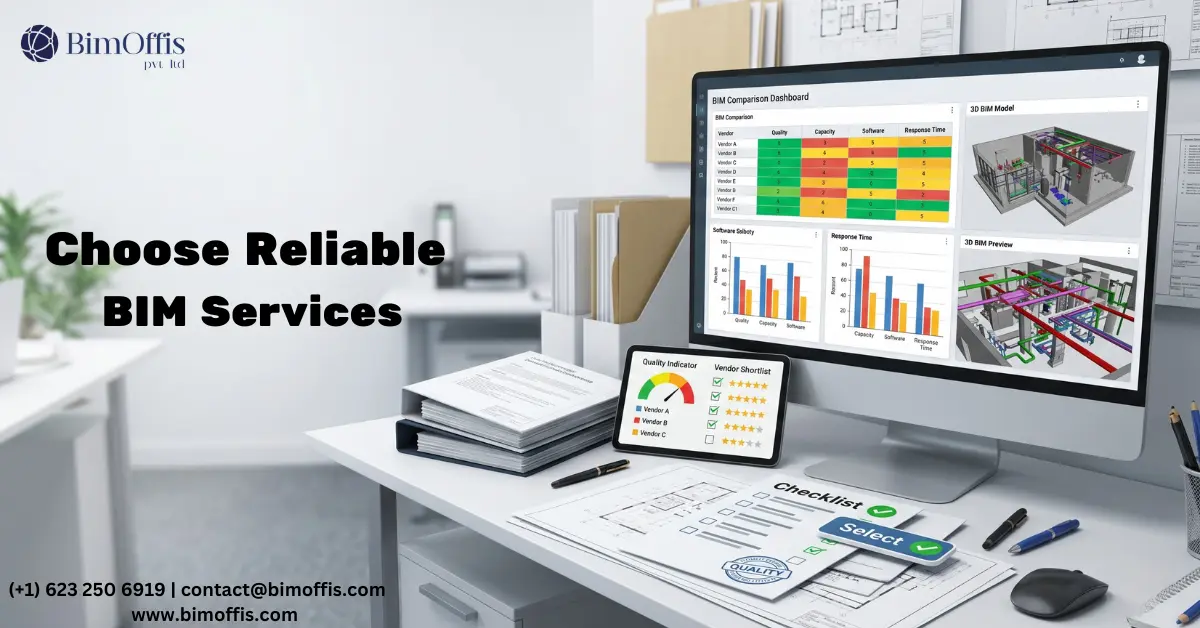
Choosing a reliable BIM modeling partner is not as simple as Googling a few firms, checking their portfolios, and picking whoever has the nicest website. That approach gets firms burned regularly. You end up with a bloated model full of errors, a team that stops responding after the deposit clears, and a project deadline that suddenly feels impossible.
This pattern plays out enough times to make it recognizable. The frustrating part is that most of it is completely avoidable if you know what to actually look for before signing anything.
So let’s get into it.
The Real Cost of Getting This Decision Wrong
Before talking about how to choose well, it’s worth being honest about what a bad choice actually costs you.
It’s not just the money you paid for work that needs redoing. Coordination errors nobody caught in the model now show up as expensive surprises on site. Contractor RFIs pile up because the model doesn’t reflect reality. Clash reports fill with unresolved conflicts that your team must sort through under deadline pressure.
Underneath all of that, the client relationship quietly takes damage while you firefight problems that should never have existed. A poorly chosen BIM partner doesn’t just create a bad model, the consequences spread across the entire project. That’s why this decision deserves more than a quick quote comparison.
What a Genuinely Reliable BIM Modeling Partner Actually Looks Like
They Ask a Lot of Questions Before Starting
This is the clearest early signal and most people completely miss it.
Before any good BIM provider touches your drawings, they want to understand your project properly. Expect questions about your BIM Execution Plan, naming conventions, LOD requirements, consultant coordination setup, and what software your contractor runs on site. Good providers also ask what the model will serve downstream, coordination only, or fabrication too?
A provider who takes your drawings and immediately starts modeling without asking these questions isn’t thinking about your project. Getting the task done and moving on is their only focus. That mindset always creates problems somewhere down the line.
Their Communication Doesn’t Require Chasing
With a good partner you never sit wondering what’s happening with your project. Updates arrive before you think to ask. Issues get flagged as soon as they surface, not three days later when the problem has grown. Concerns come up early enough that you can make real decisions and adjust course.
Here’s a practical tip: pay close attention to how a potential partner communicates during your very first conversation. Do they respond promptly? Do their replies show they actually read what you sent? Do follow-up questions reflect genuine interest in your specific project?
That first interaction previews exactly how communication will run once real work begins. Take it seriously.
They Have a Real QA Process, Not Just Experienced Staff
Ask every single provider you evaluate this question, what does your internal review process look like before files leave your team?
Listen carefully to the answer. Strong partners describe something specific. A second person reviews the file independently. Internal clash detection runs before any delivery. The team checks model health against clear benchmarks and manages warning counts before handover.
Weaker providers tell you their team is experienced and careful. That’s reassurance, not a quality control process. Push for specifics and see what comes back.
What to Actually Check Before You Commit
Ask for Native Model Files, Not Portfolio Images
This step is non-negotiable and more firms skip it than you’d believe.
Before committing to anyone, ask to see actual native Revit or ArchiCAD files from past projects similar to yours. Skip the rendered images and PDF sheet sets, request the actual working model file.
Open it and check how the team built it. Are views organized and named sensibly? Do families load cleanly without duplicate versions in the background? How many warnings does the model carry? Does the file size make sense for the project scope?
A messy, warning-heavy, poorly organized model file tells you exactly what your project will look like six weeks into the engagement. No amount of smooth talking changes what’s already in that file.
Match Their Experience to Your Project Type
A BIM provider with strong commercial office experience may genuinely struggle on a complex healthcare or industrial project. MEP Coordination requirements, sector-specific standards, and equipment complexity all matter, and handling them properly takes real experience.
Ask specifically about projects similar to yours in scale, sector, and coordination complexity. Find out what challenges came up and how the team handled them. Vague answers about general experience don’t carry the same weight as specific knowledge of your project type.
Know Who Actually Works on Your Files
Some firms pitch their senior staff during the sales process, then hand your project to junior modelers with minimal supervision once the contract is signed. This happens more than people realize.
Ask directly, who leads this project day to day, who does the actual modeling, and who reviews the files before delivery? A reliable BIM modeling partner gives you straight answers and keeps consistent people on your project rather than whoever happens to be available that week.
Test Before You Fully Commit
Run a Paid Pilot Project First
Don’t hand a brand new partner your most critical deadline. Give them a real but contained scope instead, one floor plate, a single coordination zone, one building section. Pay them properly and treat it like a real engagement.
Then evaluate everything carefully. How clean is the delivered file? How did they handle your feedback? Did smart questions come up during the work? Did communication stay consistent throughout?
This one step filters out bad partners faster than any interview or portfolio review ever will.
Red Flags Worth Watching For
These warning signs should make you pause before signing anything:
- No questions about your BIM standards or template files ever come up
- Native model files from past work aren’t something they can show you
- The quote comes in unusually low without any explanation
- Promised turnaround times don’t add up for the scope
- Past client references sound rehearsed rather than honest
The Bottom Line
A reliable BIM modeling partner makes your whole project run better, cleaner coordination, fewer site surprises, documentation that holds up, and a model that serves its purpose all the way through to handover.
Getting this choice right takes a little more time upfront. The investment saves you a significant amount of pain, cost, and stress once the project is actually moving.
Take the time. Ask the hard questions. Run the pilot. The right partner makes every project that follows easier than the last one.
Ready to find out what your project will cost? Find out here.
Frequently Asked Questions from Clients
What is a BIM modeling partner?
A team that builds and manages 3D building models for your construction projects, handling coordination, clashes, and documentation.
Why does choosing the right BIM partner matter?
A bad partner creates messy models and coordination errors that cost far more to fix on site than getting it right from the start.
How do I check if a BIM partner is reliable?
Ask for their actual Revit files, not portfolio images. A clean, organized model file tells you everything.
What should a good BIM partner ask before starting?
They should ask about your BIM standards, naming conventions, LOD requirements, and what the model will be used for.
What is a BIM Execution Plan?
A document that defines how the model gets built, what standards the team follows, and what the model will be used for on the project.
Should I run a pilot project before fully committing?
Yes. Give them a small real scope first. See how they work, communicate, and deliver before trusting them with your full project.