Let me be honest with you, finding a good BIM modeling partner is way harder than it should be. Every provider claims they’re the best. Portfolios look polished, websites look professional, and then you actually hire one, and reality hits fast.
You send over your drawings, wait two weeks, and get back a model that looks nothing like what you asked for. Wrong wall types, missing annotations, a file so heavy it crashes Revit every time you open a section view. Not exactly money well spent.
I’ve heard this story from enough architects to know it’s not rare. So let’s talk about what actually works when you’re trying to find someone worth trusting with your projects.
Why Architects Are Outsourcing BIM Work in the First Place
Nobody wakes up excited to outsource. It adds coordination overhead, requires clear communication, and means trusting someone outside your firm with your project files.
But here’s the reality, your team is already maxed out. Design development keeps running, client revisions keep coming, and somehow a fully coordinated Revit model still needs to hit the permit submission deadline by the end of the month. Something has to give.
That’s the real reason outsourcing happens. Not strategy. Capacity.
Sometimes expertise plays a role too. Say your firm just landed a healthcare clinic but mostly works on residential and commercial projects. A BIM provider who already understands infection control wall assemblies, equipment clearances, and healthcare coordination standards saves you weeks of figuring things out, while you simultaneously manage the client relationship.
That’s exactly why 3D BIM modeling services have grown so much as an industry. Firms use outsourcing to get work done that their teams genuinely don’t have bandwidth for right now.
What Actually Separates a Good Provider from a Bad One
Here’s what most people don’t realize until after getting burned, technical ability is the easiest thing to check. Everything else determines whether the relationship actually works.
Communication Is the Real Differentiator
A provider who responds same day, flags issues before they grow, and asks smart questions at project start will outperform a highly skilled team that disappears for days at a time. Every single time.
Before hiring anyone, pay close attention to how they handle your very first email. Did they ask thoughtful clarifying questions? Did they engage with what you actually said? Or did they fire back a quote without reading your brief properly? That first response reveals more than any portfolio ever will.
Strong Providers Push Back When Something Is Wrong
This surprises people but it matters. A provider who agrees with everything and never raises concerns isn’t helping you, they’re just processing your files.
Strong BIM modelers catch things. A stair with insufficient headroom clearance. A curtain wall condition drawn in a way that cannot be built. A structural grid quietly conflicting with your column spacing. You want a team that catches these problems early and flags them clearly, not one that models the issue and hands it back without a word.
Ask Directly About Their Internal Review Process
Before signing anything, ask one simple question, what happens internally before files come back to us? Vague answers are red flags. Strong providers describe a structured process. Their teams run internal clash reports, check model health, audit family naming, and put a second set of eyes on every file before delivery.
The Services Architects Actually Rely On Most
Full Architectural BIM Modeling
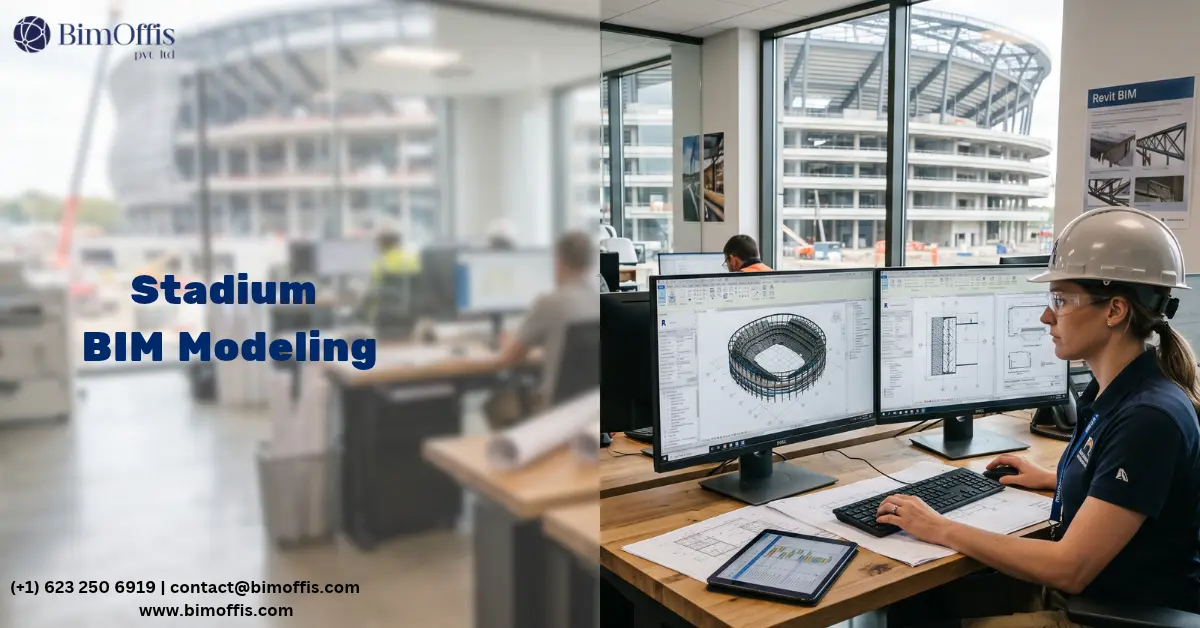
Most firms start outsourcing here. You have design drawings, from Rhino, hand sketches, or old AutoCAD files, and need a clean coordinated Revit model that consultants can work from properly. Architectural BIM modeling forms the foundation of what most providers offer, and it’s where the strongest teams show their real quality.
MEP and Structural Coordination
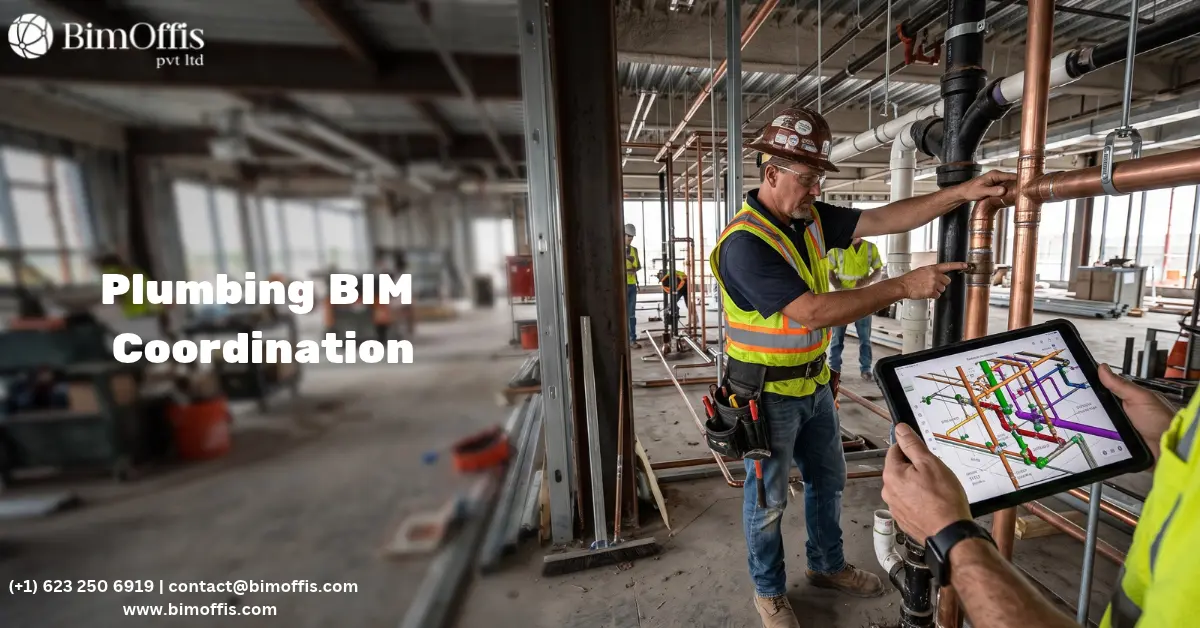
Coordination work saves projects or breaks them. Mechanical ductwork running through a structural beam sounds obvious to catch, until fifty consultants are working simultaneously and nobody talks to each other. Providers who run proper Navisworks coordination and resolve clashes rather than just generating a report full of unresolved red bubbles deliver genuine value on complex projects.
Scan to BIM and As-Built Modeling
Renovation and adaptive reuse projects depend completely on accurate existing conditions. Providers who convert laser scan point cloud data into accurate as-built Revit models solve a real problem. Old hand-measured drawings almost never give you the accuracy needed to design confidently. Scan-based models do.
Construction Phase and Shop Drawing Support
Some providers extend support through construction, coordinated shop drawings, model views attached to RFI responses, as-built updates as the project moves forward. For smaller firms running lean through construction administration, this support makes a meaningful difference to how smoothly projects close out.
How to Choose the Right Provider Without Getting Burned
Start with a paid pilot project. Give them a defined scope, one floor plate, a single building section, one exterior condition. Watch how they ask questions, take feedback, and deliver files. This single exercise tells you more than any sales conversation ever could.
Ask for native Revit files not just images. Rendered views look good on everyone. Open the actual model instead. Check whether the file stays organized, whether families carry proper names, and whether hundreds of unresolved warnings sit quietly in the background. A messy model causes real problems the moment your consultants start working inside it.
Find your own references. Skip the names they hand you and search your own network instead. Find people on LinkedIn who have worked with that firm. Ask honestly, how did the project go? Did the files arrive clean? Would they hire them again? Those real conversations deliver more useful information than any website testimonial ever will.
Final Thought
The right BIM modeling service provider never feels like a vendor. They feel like a quiet reliable extension of your own team, someone who already knows your standards, works without constant supervision, and consistently makes your documentation stronger than it would have been otherwise.
Finding that kind of partnership takes real time and sometimes a few wrong turns first. But once you find it, you protect it.
Ready to find out what your project will cost? Find out here.
Frequently Asked Questions from Clients
What is a BIM Modeling Service?
It’s a service where experts build detailed 3D building models to help architects, engineers, and contractors work together without errors.
Why do architects outsource BIM work?
Because their team is already busy with design and client work. Outsourcing saves time and keeps projects on track.
Which software do BIM providers use?
Mostly Revit. Some also use ArchiCAD, Navisworks, AutoCAD, and BIM 360 depending on the project.
What is LOD in BIM?
LOD means Level of Development. It shows how detailed the model is from basic concept to full construction-ready detail.
How much does BIM modeling cost?
? It depends on project size and complexity. Providers charge hourly or per project. Always agree on scope before starting.
What is Scan to BIM?
It turns laser scan data of an existing building into an accurate 3D model. Very useful for renovation projects.