Introduction to 3D BIM Modeling
3D BIM Modeling ties digital building geometry to data-rich information about components, systems, and lifecycle. Traditional 3D design focuses mainly on geometry and visualization. A 3D BIM model, however, embeds information-rich data that facilitates collaboration, decision-making, and project delivery.
In construction, 3D BIM Modeling has become essential for architects, engineers, contractors, and owners. Teams use it to plan, design, and manage projects more accurately. This minimizes costly errors and builds a culture of collaboration among all stakeholders.
Future Trends in 3D BIM Modeling
Digital Twins
The digital twin concept sits at the heart of BIM. It creates a project model that represents the structure before construction begins. This approach assists with client visualization and also provides significant advantages during the construction process itself.
Many BIM technologies rely on digital twin technology. Simulation and prediction capabilities largely depend on it. An accurate, scalable project model improves decision-making, enhances performance, and reduces rework significantly.
Cloud-Based BIM
Cloud infrastructure has become a central part of the BIM approach. The concept seems simple but delivers enormous advantages. Cloud computing stores and processes information using remote servers rather than local storage.
The benefits for construction projects are substantial. First, cloud storage offers high accessibility. Teams no longer need to sit at a fixed workstation to do construction-related work. Second, cloud data sharing enables unprecedented collaboration. Teams across different locations work from the same platform simultaneously rather than exchanging files manually.
Interoperability
Data sharing remains one of the most significant challenges in BIM. The methodology supports seamless data exchange in principle. However, the software market has produced dozens of proprietary file formats with limited export capabilities.
This makes information sharing difficult between stakeholders in certain situations. Interoperability offers the solution. A common data format that different platforms support will simplify the information exchange process considerably and reduce the friction that currently slows multidiscipline coordination.
Modular Construction and Prefabrication
The pursuit of safe, cost-efficient structures brought the construction industry to modular construction and prefabrication. Both approaches work far more effectively within BIM-centric construction processes than in traditional workflows.
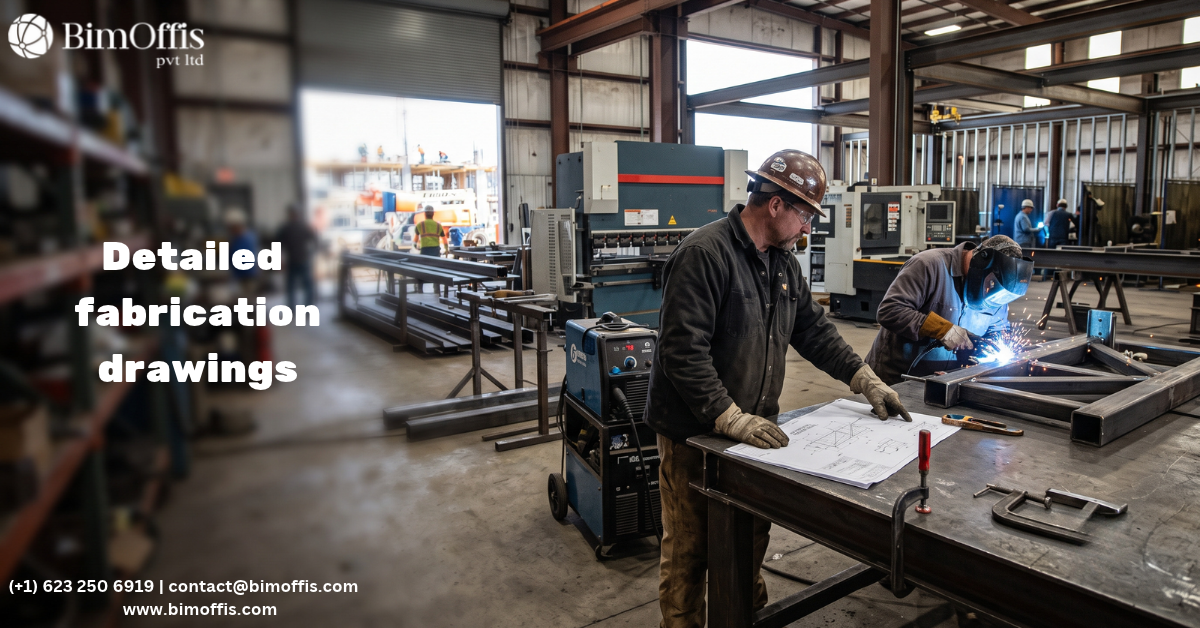
Prefabrication manufactures large construction elements off-site. Workers then assemble them after delivery to the construction site. The minimal assembly effort required is the most significant advantage over traditional site-built construction.
Modular construction, on the other hand, creates standardised complex construction elements in replicable modules. Factory-fitted bathrooms, dorm rooms, and facade elements are prominent examples. These modules need barely any modification on-site, which speeds up construction and reduces waste considerably.
Laser Scanning
Laser scanning pairs naturally with BIM in the construction industry. Scanners acquire extremely accurate on-site information. BIM then receives and interprets it, producing a visual representation of the scanner results within the project model.
The Scan to BIM process works by setting up laser scanners on-site to perform the scan. Point-cloud technology converts the captured data into something BIM can interpret and add to the existing project model. This greatly reduces reliance on manual measurement, speeds up progress monitoring, and cuts errors caused by the human factor.
Drone Use
Drones represent another growing trend in BIM-connected construction workflows. Like laser scanning, drones gather real-time data from construction sites for multiple purposes. Both technologies often complement each other on the same project.
Drones offer high convenience and accessibility on site. They are not as accurate as laser scanning, but they excel at real-time monitoring. Teams also use them for communication between the site and the office, and for checking the locations of potential clashes or emerging issues before they develop into costly problems.
Improved Sustainability
Sustainability in construction covers energy modeling, green architecture, and several other specific processes. The core idea involves running a complex analysis of a completed project model that has already passed load testing.
Energy analysis evaluates CO2 emissions, utility bills, indoor environmental quality, and energy consumption. It also considers how the building will interact with green energy options such as solar panels, wind turbines, and photovoltaics. The goal is to reduce the negative environmental impact of the building. This approach has become so widely adopted that some green methods now carry government mandates in certain countries.
Artificial Intelligence
AI brings significant new capability to 3D BIM Modeling workflows. While large language models drive much of the recent AI discussion, AI applications in BIM focus primarily on data analysis rather than conversational use.
BIM generates enormous amounts of project information. AI analyses this data faster and in greater depth than manual methods allow. It produces insights and suggestions for object placement, element modification, and other construction parameters that improve both design quality and coordination efficiency.
Internet of Things
IoT involves an interconnected network of devices that share information with each other. In construction, IoT sensors provide continuous monitoring of on-site structures. They can also automate repair and maintenance tasks and monitor or control various building systems.
These information-gathering capabilities strengthen BIM’s core functions. More data means better performance, fewer errors, and reduced clash risk. During construction, IoT monitoring tracks progress in real time. Post-construction, the same data gives manufacturers valuable feedback on product performance and long-term reliability.
Virtual Reality
VR and AR offer a fundamentally new approach to project review and clash detection. Both technologies provide a detailed overview of the project. Beyond that, they offer a level of interaction and immersion that flat screen review simply cannot match.
For clients, VR showcases the project at different stages of realisation. It simplifies feedback gathering and reduces obvious errors early in the process. The improvement in detail and spatial understanding leads to better design decisions and a higher quality final outcome.
3D Printing
3D printing remains a developing area in construction. The industry tends toward conservatism, which explains the cautious adoption rate. The process generates real-life 3D shapes through sequential material layering, driven by pre-programmed algorithms and dedicated hardware. Current use cases in construction focus mainly on prototyping and digital model creation, with broader structural applications still emerging.
The Bottom Line
3D BIM Modeling bridges the gap between design intent and physical execution. It brings geometry and data together in one collaborative tool rather than keeping them in separate systems. It limits mistakes, supports cost and schedule control, and extends value into facilities management well beyond the construction phase.
For architects, engineers, contractors, and owners, a strong 3D BIM workflow improves how teams communicate design intent and maintain competitiveness. The technology continues to evolve rapidly. AI, AR, VR, IoT, and cloud collaboration are all pushing the capability of 3D BIM Modeling further and faster than most people anticipated even a few years ago.
The future of construction will be more intelligent, more integrated, and more sustainable. 3D BIM Modeling is the foundation that makes all of that possible.
Ready to reduce costs and improve project efficiency with BIM? Get your free quote today.
Frequently Asked Questions from Clients
What is 3D BIM Modeling for smart buildings?
It is the use of intelligent 3D models to design, construct, and manage connected buildings.
How does BIM support smart building technology?
BIM integrates building data with IoT, automation, and facility management systems.
What is a digital twin in BIM?
A digital twin is a real-time virtual representation of a physical building.
Can BIM improve building operations?
Yes, BIM enhances maintenance planning, energy management, and asset tracking.
Which technologies are shaping the future of BIM?
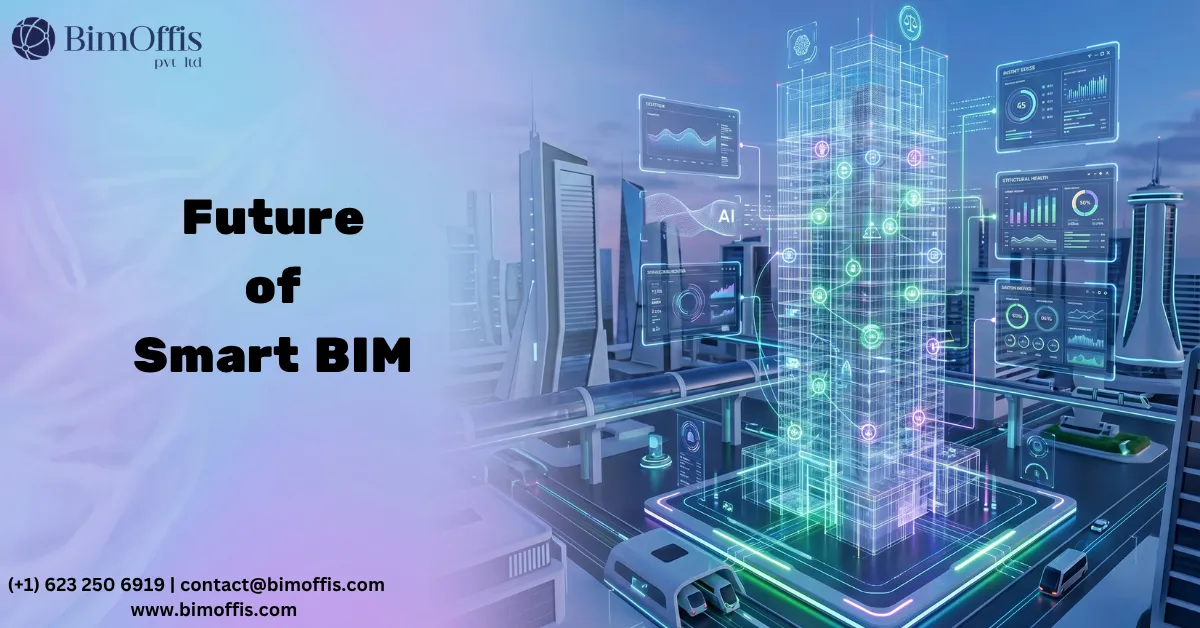
Digital twins, AI, IoT, cloud collaboration, and automation are driving BIM innovation.
What industries benefit from smart building BIM solutions?
Commercial, healthcare, education, residential, and industrial sectors benefit from smart BIM workflows.