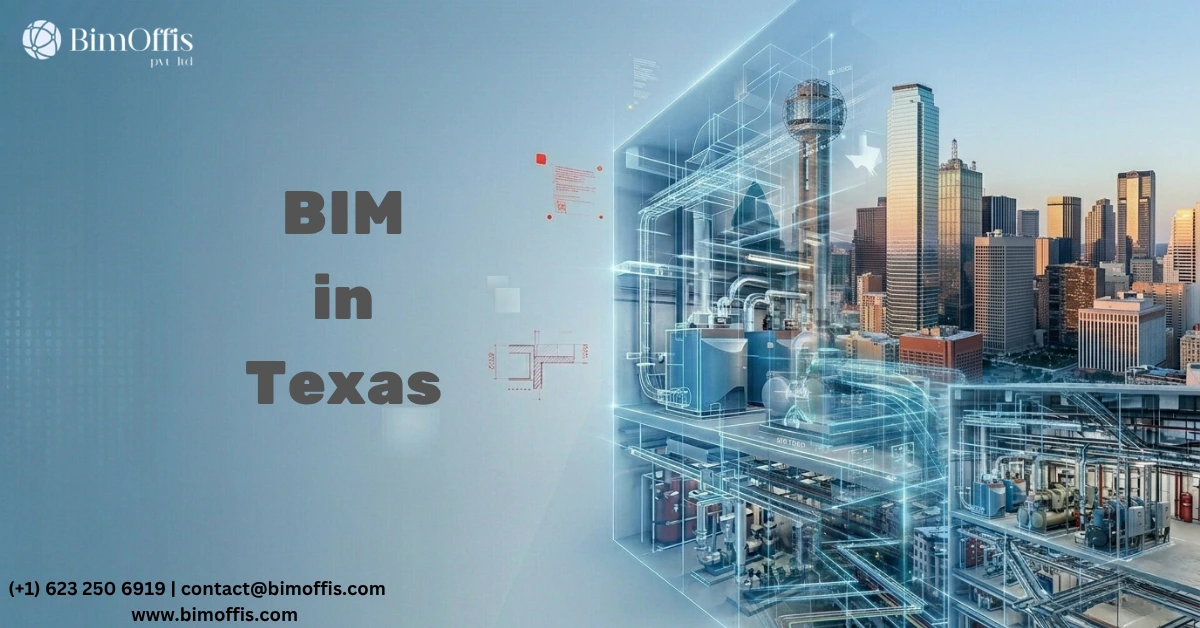
The construction and architectural industry is evolving rapidly. As a result, Building Information Modeling (BIM) has transformed both design and construction processes.
BIM is now widely adopted across the world. Moreover, it improves efficiency, enhances collaboration, and reduces costs.
Today, adopting BIM in Texas is more than an upgrade. It represents a major step toward the future of construction in a fast-growing market.
Why BIM Matters
To begin with, BIM is not just a tool. It is a complete process.
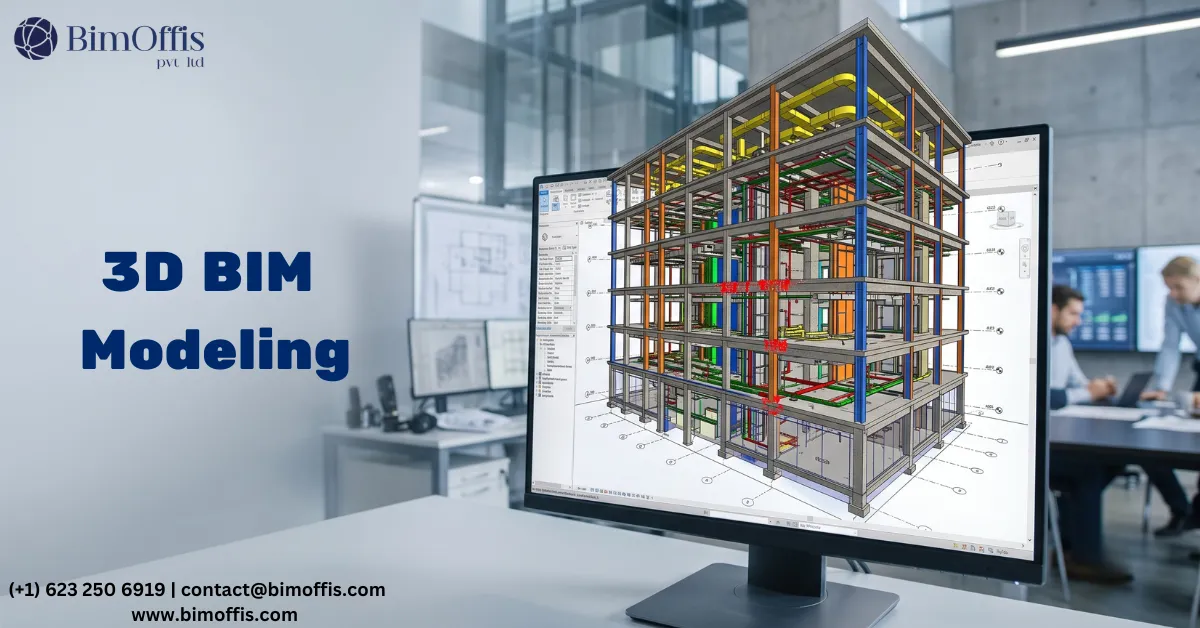
It involves creating and managing digital representations of a building’s physical and functional characteristics. In other words, BIM supports the entire lifecycle of a project.
From design to construction, BIM helps teams identify errors early. As a result, it reduces material waste and avoids costly rework.
Therefore, BIM delivers both environmental and economic benefits.
Why Texas Is Ideal for BIM
Texas offers the perfect environment for BIM adoption. This is because the state has a strong economy and rapid population growth.
In addition, large-scale infrastructure projects are increasing. As a result, the demand for sustainable and efficient construction is rising.
Therefore, BIM plays a key role in supporting this growth.
The Texas Advantage
Cities like Houston, Austin, Dallas, and San Antonio are expanding quickly. Because of this, the need for smart and sustainable construction is critical.
BIM helps meet these demands in several ways:
1. Streamlining Mega Projects
Texas handles large and complex construction projects. With BIM, teams can coordinate designs more effectively. As a result, BIM projects stay on schedule and within budget.
2. Enhancing Sustainability
BIM supports green construction practices. For example, it helps optimize energy use and material selection. Therefore, it contributes to environmentally responsible development.
3. Improving Cost Efficiency
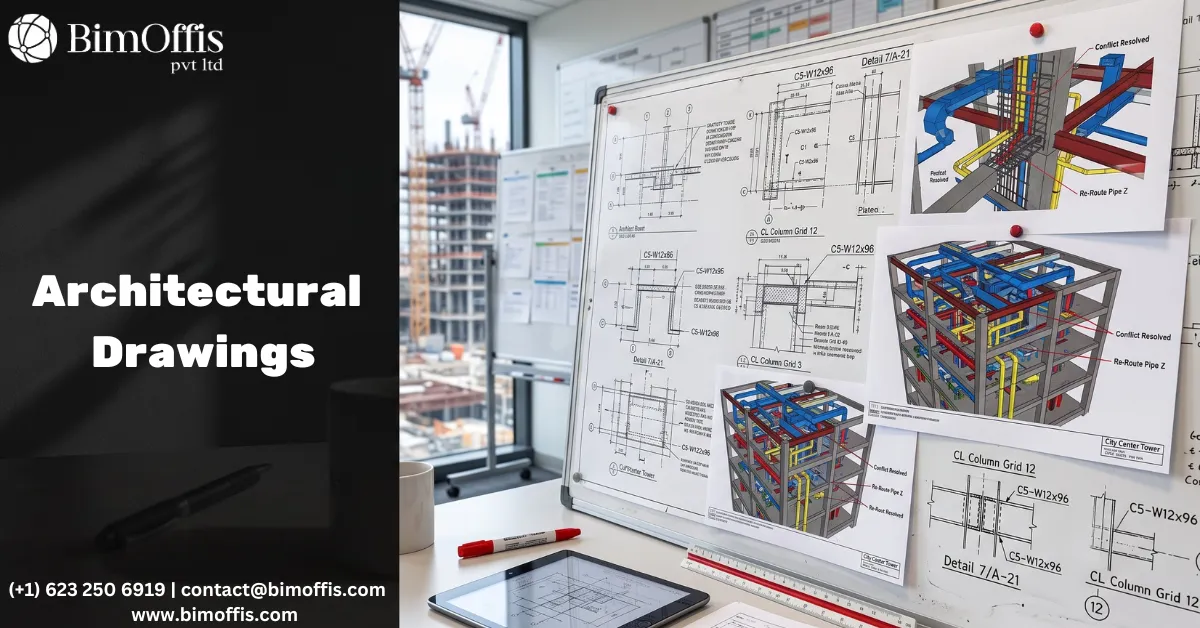
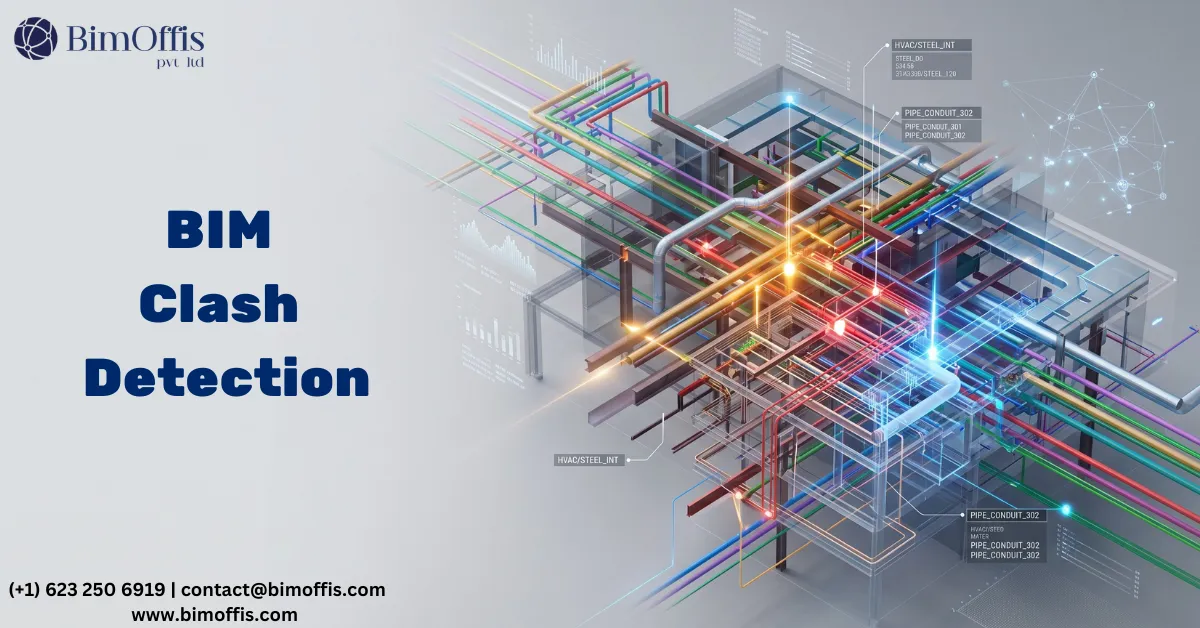
BIM identifies design conflicts early in the process. As a result, teams can fix issues before construction begins. This reduces delays and saves both time and money.
Our Approach to BIM in Texas
Implementing BIM requires more than technology. It also requires a shift in how the industry operates. Here’s how we drive this transformation:
1. Education and Training
We train architects, engineers, and contractors in BIM tools. In addition, we provide workshops, certifications, and hands-on experience. As a result, professionals become ready for innovation.
2. Industry Collaboration
BIM works best through collaboration. Therefore, we partner with government agencies, private companies, and universities. This creates a unified ecosystem for BIM adoption.
3. Customized Solutions
Every project in Texas has unique requirements. For this reason, we deliver tailored BIM solutions. These solutions align with regional needs and industry standards.
4. Technology Integration
We use advanced tools to enhance BIM capabilities. For example, we integrate augmented reality and advanced modeling tools. As a result, project visualization and execution improve significantly.
What’s Next?
The adoption of BIM in Texas marks the beginning of a major transformation. Going forward, we will continue to focus on innovation and sustainability.
At the same time, we aim to create a lasting impact on the construction industry. The opportunities for growth are immense. With BIM leading the way, Texas can set new standards in design, construction, and operations.
Conclusion
BIM is more than a technology. It is a driver of change. In Texas, BIM supports rapid growth and improves construction outcomes. As a result, projects become faster, smarter, and more efficient.
Texas is ready to move forward with a strong vision for a sustainable future. In conclusion, BIM is shaping the future of construction and that future is already happening in Texas.
Frequently Asked Questions from Clients
What is BIM?
BIM (Building Information Modeling) is a digital process that creates and manages 3D models with detailed project data throughout the building lifecycle.
Why is BIM important in construction?
BIM improves efficiency, reduces errors, enhances collaboration, and helps complete projects faster and within budget.
Why is BIM adoption growing in Texas?
Texas is experiencing rapid population growth and infrastructure development, increasing the demand for efficient and sustainable construction solutions.
How does BIM help large construction projects?
BIM improves coordination, reduces conflicts, and ensures projects stay on schedule and within budget.
Can BIM reduce construction costs?
Yes, BIM identifies design issues early, minimizing rework and saving time and money.
How does BIM support sustainability?
BIM helps optimize energy use, reduce material waste, and support environmentally friendly construction practices.