The construction industry has changed quite a bit in the last few years.
BIM in construction is becoming an important part of this change, helping companies manage projects more efficiently and reduce common issues like errors and delays.
Earlier, most work was handled using drawings and separate files. Because of that, small mistakes, delays, and coordination issues were pretty common. It was just how things worked.
Now, with projects becoming more detailed and deadlines getting tighter, companies are slowly moving toward better ways of managing work. BIM is one of those changes.
If you’ve heard about it but never really looked into it properly, here’s a simple explanation.
What is BIM in Construction?
BIM stands for Building Information Modeling.
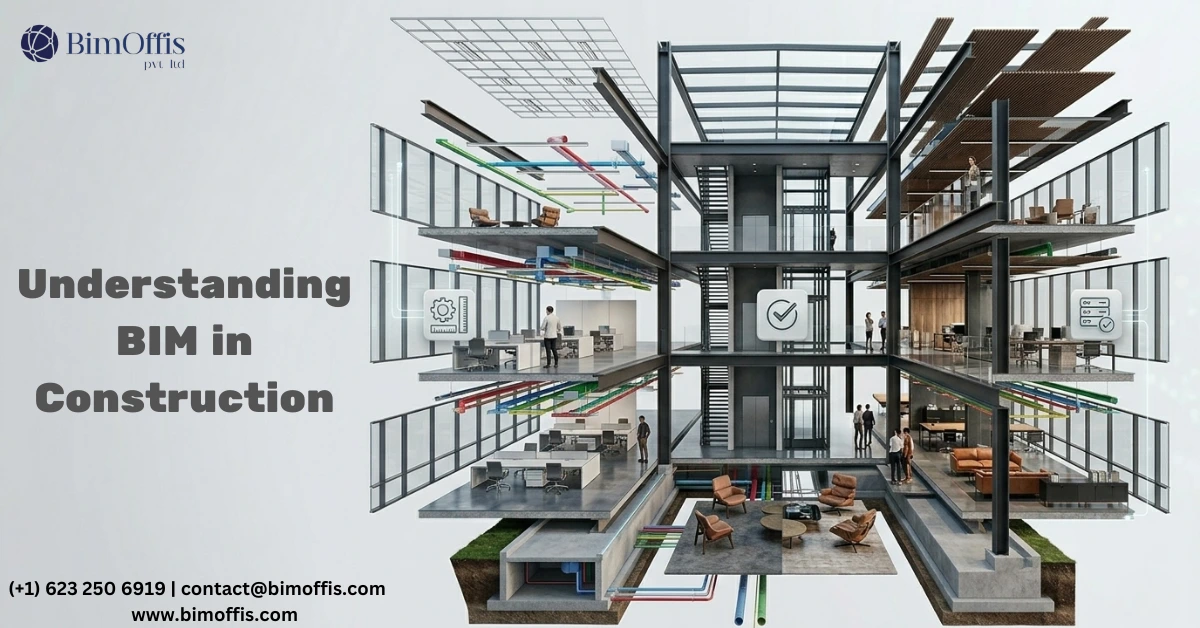
In simple terms, it’s a digital model of a building. But it’s not just about the design. It also includes useful details like materials, sizes, and other basic information.
So instead of checking different drawings again and again, everything is available in one place.
How BIM Works in Construction Projects
In most projects, different teams handle different parts of the work.
With BIM, everyone works on the same model. If something changes, it updates across the system. This reduces confusion and saves time.
For example, if a design is adjusted, related drawings don’t need to be fixed manually again and again they update automatically.
What Does BIM Include?
Nothing too complicated:
- A 3D model to understand the design
- Basic information about each element
- A shared setup for teams to work together
- Useful data even after construction is completed
Why BIM is Important in Construction?
In the traditional way, teams often worked separately. That’s where most problems started. BIM connects everything, which makes coordination easier.
Because of that, you’ll usually see:
- Fewer errors
- Better communication
- Less rework
- Smoother workflow
Benefits of BIM in Construction
- Better understanding of design
You can actually see how the building will look before work starts. That makes discussions easier. - Problems show up earlier
If something doesn’t fit or overlaps, it can be fixed before construction begins. That alone saves a lot of time. - More control over cost
Since quantities are clearer, budgeting becomes a bit more reliable. - Work moves faster
With fewer mistakes and less confusion, things don’t get stuck as often. - Teamwork improves
When everyone uses the same model, communication becomes simpler.
Challenges of Using BIM
BIM is helpful, but it’s not completely easy at the start.
- It takes time to learn
- Setup can cost money
- Teams need to adjust to a different way of working
But once people get used to it, it becomes much easier to manage BIM projects.
Future of BIM in Construction
More companies are starting to use BIM now. It’s slowly becoming a standard in the industry. It may not be everywhere yet, but it’s definitely growing.
Final Thoughts
BIM is not something complicated once you get the idea. It’s just a better way to organize work and keep everything in one place. For anyone working in construction, it can make day-to-day work a bit easier and more clear.
Frequently Asked Questions from Clients
What does BIM mean in construction?
BIM stands for Building Information Modeling. It’s a digital way to plan and manage a building using a single model that includes design and basic project details.
Is BIM only about 3D design?
No, it’s not just about 3D. It also includes information like materials, sizes, and other details that help during construction.
How is BIM different from traditional methods?
Earlier, teams worked with separate drawings. With BIM, everything is connected in one model, so changes are easier to manage.
Why are companies moving to BIM now?
Projects are getting more complex and deadlines are tighter. BIM helps reduce mistakes and keeps things more organized.
Do small construction projects need BIM?
Not always, but even small projects can benefit from better coordination and fewer mistakes.
Can BIM be used after the building is completed?
Yes, the model can still be useful for maintenance and future changes.