Introduction to MEP Clash Detection Services
Coordination has to be efficient and, at the same time, no errors in the successful execution of a construction project execution.
MEP systems are also very important in building functionality, but face many challenges during their integration with architectural and structural elements.
Here is the place where MEP clash detection services come into play for proactive identification and resolution of possible design conflicts before construction activities begin.
What Are MEP Clash Detection Services?
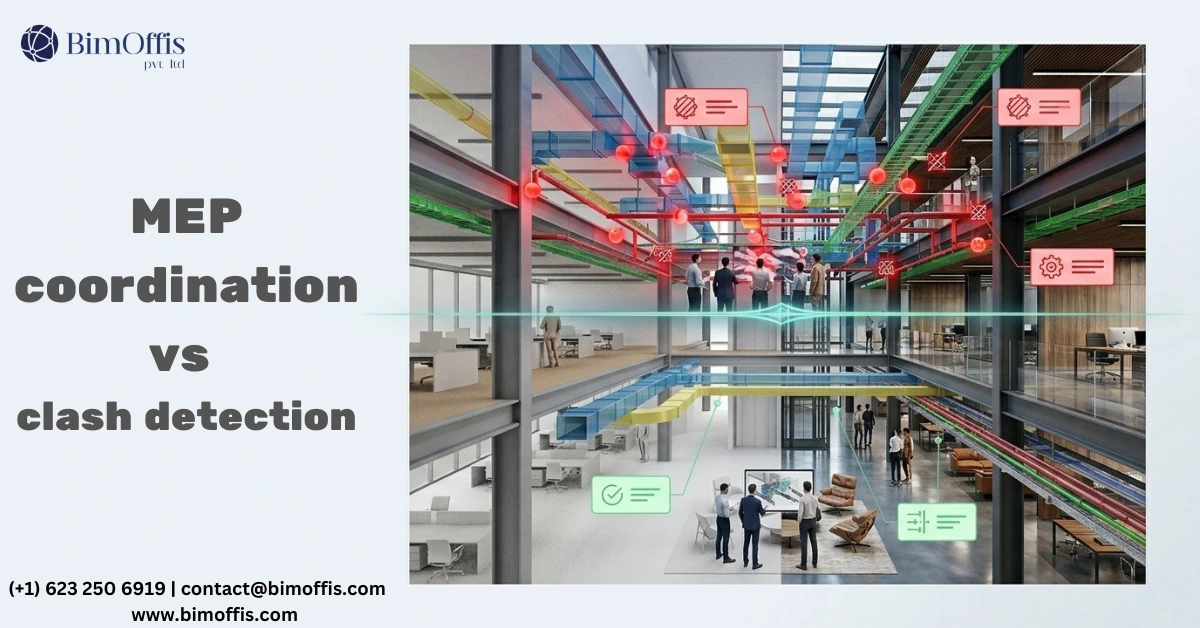
MEP clash detection, also known as MEP clash detect, is a process meant to identify the clashes with other building components during design.
MEP clash detection or conflicts occurs during the design stage when all elements of system ductwork, pipes, or conduits overlap with each other or with other structural components.
Key Features of MEP Clash Detection Services
- 3D MEP Modeling: Detailed three-dimensional models of MEP systems for accurate clash identification.
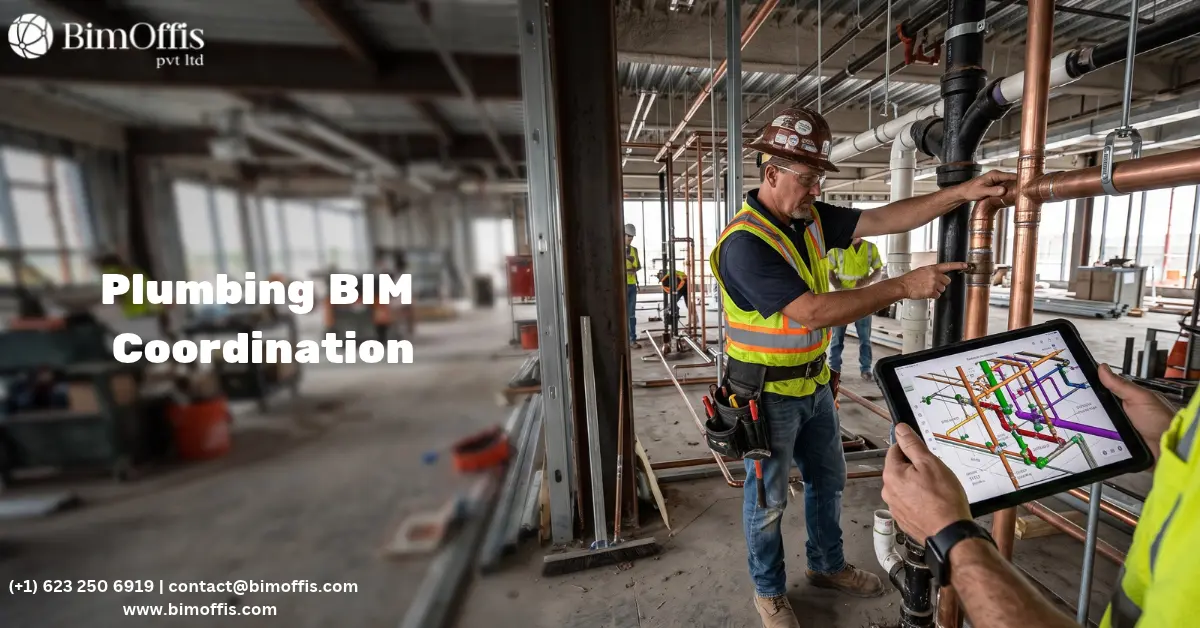
- BIM Coordination Services: Integration of all building systems into a unified BIM model for streamlined collaboration.
- BIM 360 Clash Detection: Advanced tools to automate clash detection and resolution, ensuring error-free designs.
Clash detection services are critical for avoiding costly rework and delays, providing a solid foundation for construction success.
Benefits of MEP Clash Detection Services for Construction Projects
1. Enhanced Construction Efficiency
MEP clash detection services at the planning stage resolve the clash of designs, and by doing so, they bring efficiency to the construction operations. The installations are hence done without any hiccups and on time.
2. Cost Savings
Removal of clashes at an early stage averts the costly site operations. The MEP BIM modeling services reduce waste and distribute resources effectively.
3. Higher Design Accuracy
Detailed 3D MEP models and MEP design documentation are detailed and provide clear and accurate representation of all systems, thereby improving the design precision and quality installation.
Challenges in Construction Without Clash Detection
1. Design Conflicts
Without clash detection, conflicts between systems often go unnoticed until the construction phase, leading to costly rework and delays.
2. Project Delays
Unresolved clashes can disrupt workflows, causing significant delays and impacting project timelines.
3. Construction Errors
Errors during installation, such as misaligned ducts or overlapping pipes, compromise system functionality and safety.
Conclusion
In today’s construction landscape, MEP coordination and clash detection are complementary but distinct processes. Coordination focuses on planning and aligning systems, while clash detection identifies conflicts before they turn into real-world problems. Understanding both is essential for project managers, engineers, and contractors aiming to deliver efficient, conflict-free projects.
Frequently Asked Questions from Clients
What is MEP coordination?
MEP coordination is the process of planning and aligning mechanical, electrical, and plumbing systems in a building.
What is clash detection in construction?
Clash detection is used to find conflicts between different building systems before construction starts.
What is the difference between MEP coordination and clash detection?
Coordination focuses on planning, while clash detection focuses on finding and fixing design conflicts.
Why is clash detection important?
It helps avoid errors, delays, and costly rework during construction.
Does MEP coordination use BIM?
Yes, BIM tools are commonly used for both coordination and clash detection.
Is clash detection part of BIM?
Yes, clash detection is an important part of the BIM process.