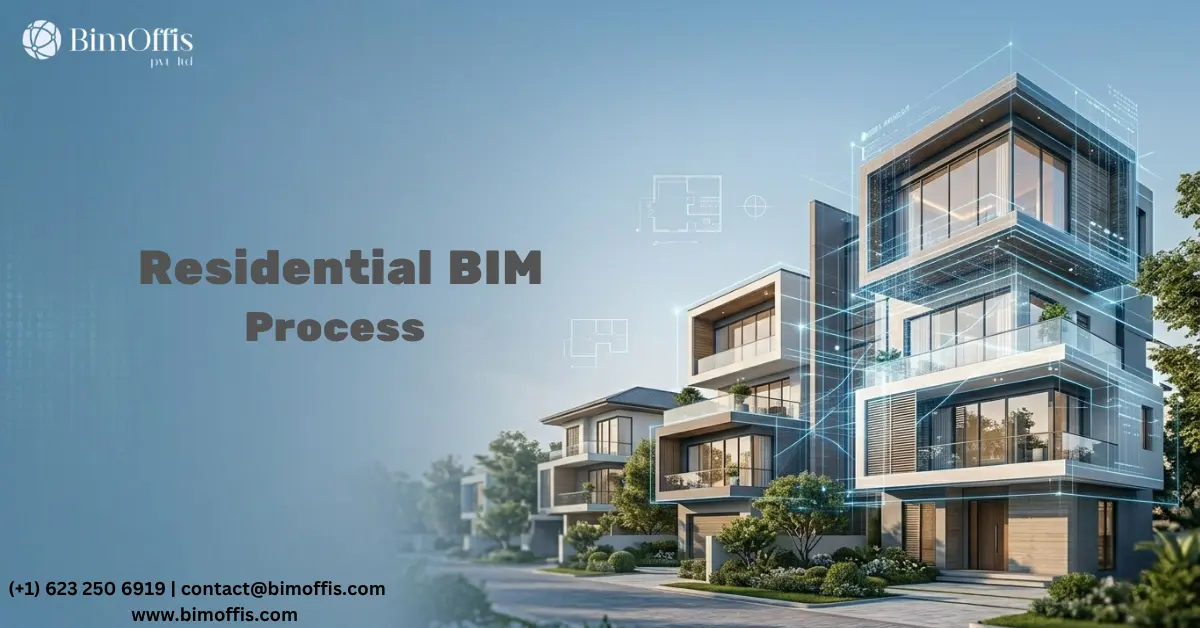
The BIM Workflow for Residential Projects, Stage by Stage
Stage 1: Setting Up the BIM Execution Plan
Nobody talks about this part enough, but this is honestly where most BIM projects succeed or fail before a single wall gets modeled.
The BIM Execution Plan is just a team agreement. Who owns which model, what software everyone is using, how files get named, and where they get saved. Boring stuff that becomes very un-boring when you are three months into a project, and nobody can find the current version of anything.
The level of Development needs to be agreed upon upfront, too. LOD 200 is fine for early design. LOD 300 gets you through construction documentation. LOD 400 only comes in when prefab components or detailed structural connections are on the table.
One architect on a custom home project can usually own the whole model. On a larger residential development with multiple consultants feeding into it, someone needs to own the coordination process. Sort that out in week one, not week ten.
Stage 2: Conceptual and Schematic Design
Here is something worth knowing about clients. Most of them cannot read a floor plan the way architects can. They look at it, nod politely, and then call you three months later saying the kitchen feels wrong.
Put a 3D model in front of them and everything changes. They can actually see the space. They ask better questions. They catch things they would have complained about later when it was expensive to fix.
The other thing this stage is useful for is energy analysis. Checking sun orientation, window sizing, and basic thermal performance takes a few hours at schematic design. Changing those same things during construction documentation takes considerably longer. The math on doing it early is pretty simple.
Stage 3: Design Development and Coordination
This is the stage most people think of when they hear BIM, and for good reason.
The model stops being a massing study and starts looking like an actual building. Walls get their full assembly layers. Windows carry real thermal performance data. The structural engineer puts in properly sized members. MEP systems start finding their way through the building.
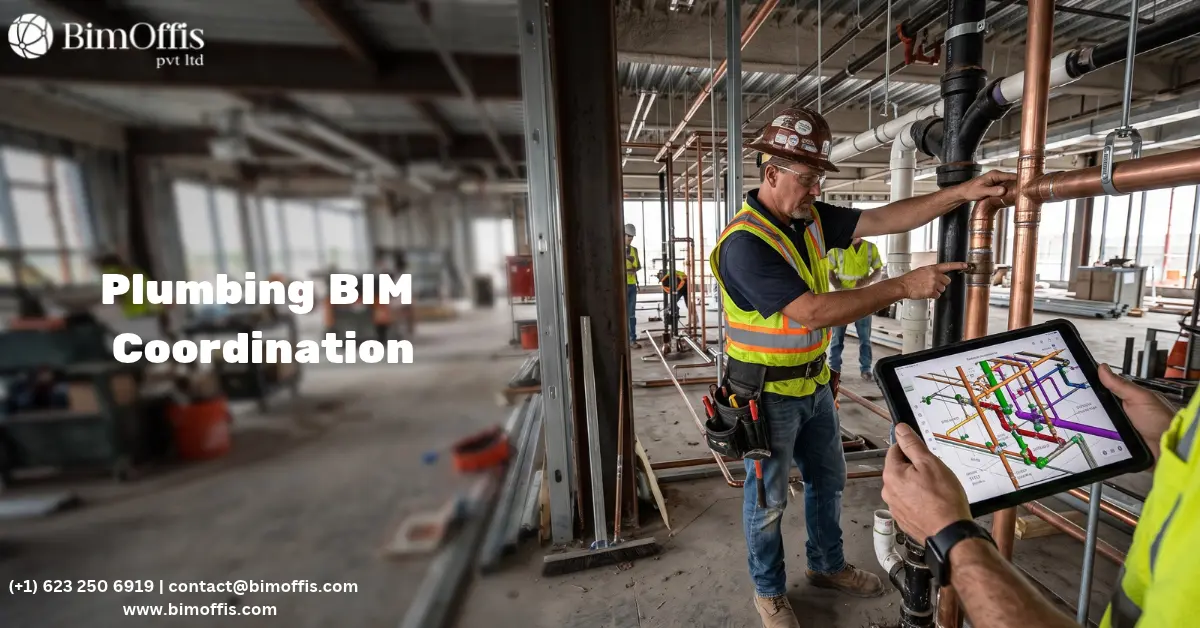
Clash detection here is the thing that saves the most money. It sounds technical but the concept is simple. You are checking whether a plumbing pipe is trying to go through a structural beam, or whether the HVAC duct and the electrical conduit both want the same stretch of ceiling cavity, or whether someone specified recessed lights in a spot where a floor joist already lives.
Sorting that out in the model takes an afternoon. Sorting it out on site after framing is done takes much longer and usually involves some difficult conversations with subcontractors.
Stage 4: Construction Documentation
If you have ever spent time manually chasing a change through a drawing set, making sure the floor plan matches the elevation matches the section matches the schedule, you already understand why this stage matters.
With BIM the model produces the drawings. Change the window once in the model and everything that references that window updates. Floor plan, elevation, window schedule, material takeoff. All of it, at the same time, without anyone manually touching a single sheet.
The material quantities coming straight from the model is another practical benefit that does not get talked about enough. Procurement estimates based on actual model quantities are more accurate than estimates based on someone measuring drawings. That accuracy matters for budgets and it matters for ordering.
Stage 5: Pre-Construction Planning
Most of the decisions that affect how smoothly a construction project runs actually get made before anyone breaks ground. BIM makes those decisions better informed.
Linking the model to the construction schedule gives the project manager a visual picture of how the build sequences week by week. On a residential development with several units going up at the same time, that picture is genuinely useful for keeping trades from running into each other.
Site logistics is another area where thinking it through in the model before mobilization saves real time. Where the crane sits, where deliveries stage, how vehicles move on a constrained site. These are not complicated questions but they have expensive answers when they get sorted out on day one of construction instead of the week before.
Stage 6: Construction Phase
The model does not stop being useful once construction starts. This is actually where a lot of teams underuse it.
Site supervisors with tablets can pull up current drawings, check specifications, and review RFIs without waiting for someone back at the office to email them an updated PDF. When the design changes, it goes into the model and everyone sees the current version immediately.
The issue tracking piece is worth mentioning specifically. When something on site does not match the drawings, the supervisor logs it in the model with photos and assigns it to whoever needs to deal with it. That creates a documented trail. On residential projects where disputes between builder and client are not uncommon, having everything documented and timestamped in one place is worth quite a lot.
Stage 7: As-Built Model and Handover
At the end of the project the model gets updated to show the building as it was actually constructed, not just how it was designed.
That as-built model is a genuinely useful thing to hand to a homeowner. It has maintenance information, warranty data, and product specs for everything in the building. When they want to renovate a bathroom in seven years, they can open the model and see exactly what is behind the tiles before anyone picks up a hammer.
Most builders still hand over a folder of PDFs. Handing over a proper as-built model instead is an easy way to stand out, and clients who have received one tend to expect it from every builder they work with going forward.
Common Challenges and How to Handle Them
The cost concern comes up on almost every residential project. The honest answer is that ArchiCAD and Vectorworks are not expensive relative to what a single avoided rework job costs. The better question is not what BIM costs but what the current process is costing in errors, RFIs, and coordination time.
Consultants who do not use BIM are a real constraint in some markets. Working in BIM on the architectural side while structural and MEP consultants stay in CAD still improves documentation quality and catches a lot of problems early. It is not the ideal setup but it delivers real value. That gap is also closing as younger engineers come into the workforce already comfortable with BIM tools.
The learning curve is real and there is no point pretending otherwise. The first project on a new platform takes longer than it should. The second is noticeably better. Most teams feel genuinely efficient by their third BIM project.
Software Worth Considering
Autodesk Revit is the go-to for larger residential developers. The plugin ecosystem is deep and the integrations with project management and cost tools are mature. The learning curve is steep but most teams who commit to it do not go back.
ArchiCAD works well for architects and smaller practices. It is built around the way architects actually work rather than around the way software engineers think architects work. The documentation tools are strong and the transition from design to construction documentation is smooth.
Vectorworks Architect is a good fit for design-focused firms. Flexible modeling, strong visualization, and a workflow that handles the full project from early concept through to construction documentation without feeling like two different software packages bolted together.
SketchUp with energy analysis plugins is worth knowing about for teams not ready to go fully into a BIM platform. It is not a complete BIM workflow but it gets you 3D modeling and early performance analysis, which is a meaningful step up from working purely in 2D.
Where Things Are Heading
Prefabrication is growing in residential construction across most markets. Off-site manufacturers need accurate, detailed models to fabricate correctly. Builders who cannot produce LOD 400 models will increasingly find themselves on the wrong side of that conversation.
Energy compliance requirements are getting stricter in most regions and are not getting looser anytime soon. Demonstrating compliance from a 2D drawing set is becoming harder to do. A proper BIM workflow makes that part of the project straightforward rather than a scramble at the end.
Smart home technology is also pushing things in this direction. Homeowners and property managers increasingly want data about their building systems, not just a set of as-built drawings. The BIM model is the natural place to hold that information.
Getting Started
The firms that get the best results from BIM are usually not the ones with the fanciest setup. They are the ones who picked a starting point, committed to it, learned from each project, and built from there.
Starting with design and documentation on one project is enough to begin. That builds real competency without overwhelming anyone.
Clear standards, consistent habits, and honest project reviews after each job are what turn a software investment into something that actually improves the business over time. Ready to find out what your project will cost? Find out here.
Frequently Asked Questions from Clients
Is BIM only for large construction projects?
No. BIM works just as well on a single custom home as it does on a large development. The coordination and documentation benefits apply at any scale.
What is the best BIM software for residential projects?
ArchiCAD is great for small to medium firms. Revit suits larger developers. Vectorworks works well for design-focused practices. SketchUp is a good starting point if you are new to BIM.
How long does it take to learn BIM?
The first project takes longer than usual. By the second project you are faster. Most teams feel comfortable and efficient by their third project.
Is BIM expensive for residential builders?
The software cost is much smaller than the cost of one avoided rework job on site. ArchiCAD and Vectorworks both have pricing that works for smaller firms.
What if my consultants do not use BIM?
You can still use BIM on the architectural side while consultants work in CAD. It is not the perfect setup but it still improves documentation quality and catches problems early.
What is an as-built BIM model?
It is the model updated at project completion to show the building exactly as it was built. It gives homeowners maintenance data, warranty information, and product specs for everything in the building.