It Starts With a Proper Brief, Not Just Sending Files
Most clients email a bunch of drawings and say “start modeling.” Good BIM teams do not work like that.
Before anyone opens Revit, the team starts with a conversation. They define the building type, identify the design stage, and confirm which disciplines need modeling. This can include architecture, structural, and MEP. They also clarify the level of detail the contractor actually needs.
These questions may sound simple. Skipping them leads to a model that looks impressive but fails on-site.
A reliable BIM modeling service slows things down at this stage on purpose. Every answer they get now prevents costly revisions later.
Document Review Comes Next
After defining the brief, the team reviews all drawings and documents before using any software.
They check architectural plans, structural drawings, MEP schematics, and site surveys. They look for inconsistencies such as mismatched dimensions, misaligned floors, or missing details.
This step is not glamorous. It is where experienced teams prove their value. They identify conflicts early, raise questions, and begin modeling only after everything is clear.
Less experienced teams skip this step. They face expensive fixes later in the project.
Setting Up the Model Foundation
Before drawing the first wall, the team sets up the project environment correctly.
They establish coordinate systems, grid lines, floor levels, shared parameters, and file naming conventions. On large projects with multiple consultants working in linked models, this setup becomes essential.
If teams use different coordinate systems, the models will not align. This mistake happens more often than expected.
Strong BIM service providers treat this phase as the foundation of the project.
Modeling Begins One Discipline at a Time
The process starts with architecture. Teams create walls, floors, ceilings, doors, windows, and stairs. This model becomes the base reference for other disciplines.
Next comes structural modeling. Engineers add columns, beams, slabs, and foundations while aligning everything with the architectural model.
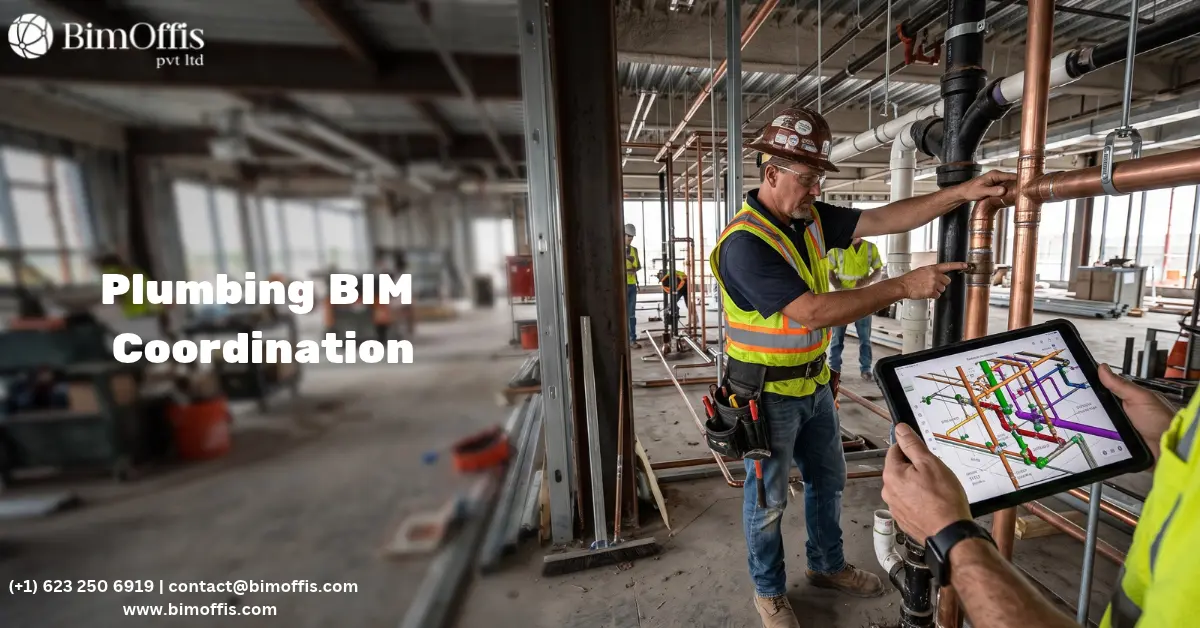
Finally, MEP modeling begins. This stage is usually the most complex. Teams must fit ducts, pipes, conduits, and equipment into limited space.
Each discipline works in a separate file while referencing others. This approach ensures coordination before construction begins.
Clash Detection Saves Real Money
Clash detection is an important stage for every project.
Once teams link all models, they run clash detection using tools like Navisworks. The software identifies overlaps and clearance issues between disciplines.
Running the report is simple. Interpreting it requires experience.
A duct passing through a partition wall is a minor issue. A main duct clashing with a structural beam is a serious problem.
Experienced teams resolve issues, document changes, and coordinate with consultants. This process prevents costly problems on-site.
Revisions Are Part of the Workflow
Changes happen in every project. Clients update requirements. Consultants revise drawings. New information becomes available.
A strong BIM workflow expects these changes.
The team tracks updates, modifies the model, reruns clash detection, and documents everything clearly.
How a BIM modeling service handles revisions shows its level of experience. Some teams struggle with changes. Strong teams manage them with a clear process.
Handover Requires Structure
At the end of the project, the client receives deliverables such as model files, IFC exports, drawings, clash reports, and schedules.
Some teams place everything in a folder without structure. This creates confusion.
A proper handover includes clean models, clear file names, and organized data. The client should be able to open and use everything easily.
When done correctly, the model remains useful after construction. Facility teams can use it for maintenance and operations.
The Truth About BIM Workflows
Software does not determine success. Teams can deliver strong results using Revit, ArchiCAD, or Tekla.
Process matters more than tools.
Strong teams ask the right questions early. They review documents carefully. They take coordination seriously.
The best BIM teams focus on preventing problems instead of fixing them later.
That is what a proper BIM modeling workflow looks like when done right.
Ready to Estimate Your Project Cost?
Want to understand your BIM project cost and avoid expensive mistakes?
Get in touch to learn more.
Ready to find out what your project will cost? Find out here.
Frequently Asked Questions from Clients
What is a BIM modeling service?
It’s a service where a team builds a detailed 3D digital model of your building, covering architecture, structure, and MEP, so everyone on the project is working from the same information.
What software is used?
Most teams work in Revit, Navisworks, or AutoCAD. A good BIM modeling service will work on whatever platform your project needs.
What is clash detection?
It’s when the software checks if elements from different disciplines, like a duct running through a beam, are conflicting with each other. Problems get fixed in the model before construction starts.
Can BIM modeling reduce construction costs?
Yes. Catching clashes in the model costs almost nothing to fix. Catching them on site costs time, money, and stress. Most clients save far more than they spend.
What do I receive at the end?
Model files, 2D drawings, clash reports, and IFC exports. Everything your contractor and consultants need to build from.
Is my project data kept confidential?
Yes. Reputable BIM modeling service providers sign NDAs and use secure file sharing platforms before any work begins.