The first time I heard about Building Information Modeling (BIM), I didn’t really understand it.
It sounded technical and complicated.
But once I learned it properly, I realized something, BIM is actually simple. And very useful.
This article explains BIM in a clear and easy way, without confusing words.
What Is Building Information Modeling?
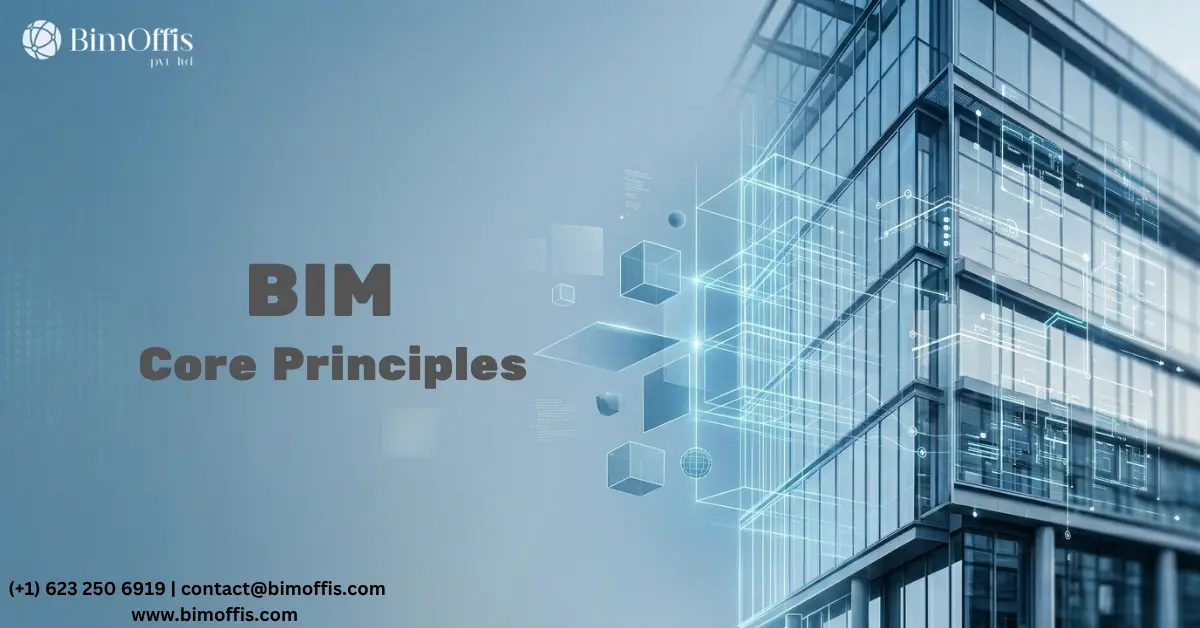
Building Information Modeling (BIM) is a way to create a building digitally before building it in real life.
But it is not just a 3D model.
It is a smart model that contains information.
This information includes:
- Materials
- Cost
- Time schedule
- Structure details
- Maintenance data
So instead of just drawing a building, BIM creates a complete digital version of it.
Core Principles of BIM
1.Everyone Works Together
In construction, many people are involved:
- Architects
- Engineers
- Contractors
Problems happen when they don’t communicate properly.
BIM solves this by using one shared model.
If one person makes a change, everyone can see it.
This helps avoid confusion and mistakes.
2.The Model Contains Real Information
In normal drawings, you only see shapes.
In BIM, every element has information.
For example, a column is not just a shape. It also has:
- Material type
- Strength
- Cost
- Installation details
This makes the model useful even after construction.
3.BIM Covers the Full Life of a Building
A building is not finished after construction.
It will be:
- Used
- Maintained
- Repaired
- Updated
BIM helps during all these stages.
This means better planning and better decisions over time.
4.Problems Are Found Early
Sometimes, different systems do not fit together.
Example:
- A pipe and a beam overlap
This creates problems during construction.
BIM can detect these issues early.
So problems are solved before construction starts.
This saves time and money.
5.Different Software Can Work Together
Different teams use different software tools.
BIM allows them to share data easily.
This is called interoperability.
It ensures that:
- Information is not lost
- Everyone stays connected
6.One Change Updates Everything
In traditional drawing, one change means many manual updates.
In BIM, everything is connected.
If you change one part, the whole model updates automatically.
This reduces errors and saves time.
7.Clear Records and Transparency
BIM keeps track of all changes.
You can see:
- What changed
- Who changed it
- When it changed
This builds trust and helps solve problems quickly.
Final Thoughts
Building Information Modeling (BIM) is not just a tool.
It is a better way of working.
Governments across the UK, EU, UAE, and India now mandate BIM on public infrastructure projects. This isn’t a trend, it’s the new baseline.
More importantly, every one of these principles directly attacks the construction industry’s oldest problems: budget overruns, schedule delays, and poor building performance.
When BIM principles are applied consistently, projects finish closer to budget, teams stay aligned, and buildings actually perform the way they were designed to.
It helps teams:
- Work together
- Reduce mistakes
- Save time and cost
- Plan for the future
If you understand these basic principles, BIM becomes easy to understand. Ready to find out what your project will cost? Find out here.
Frequently Asked Questions from Clients
What is BIM?
BIM is a digital way to design and manage buildings with real data.
Is BIM only 3D modeling?
No, BIM includes data like cost, time, and materials, not just 3D design.
What are the benefits of BIM?
It saves time, reduces errors, and improves teamwork.
Who uses BIM?
Architects, engineers, contractors, and project managers use BIM.
What is clash detection?
It finds design problems before construction starts.
Why is BIM important?
It helps build faster, cheaper, and with fewer mistakes.