The Definition of BIM
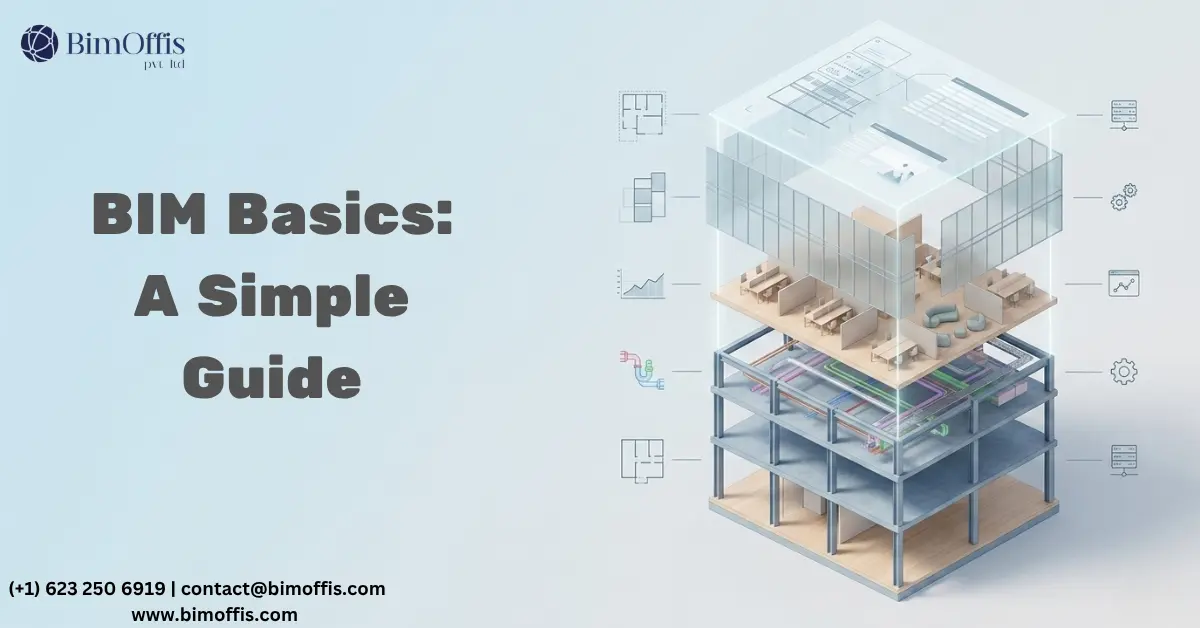
Building Information Modelling (BIM) is a digital working method that uses virtual 3D models as the basis for planning, designing, constructing, managing and operating projects.
The 3D models contain more than just graphical information, allowing properties to be attached to each building component (such as material type, performance data, and cost, for example).
In effect, the models become a central repository of all relevant project information that can be shared amongst the entire project team. BIM can be used for any type of project, not just buildings; bridges, roads, and other infrastructure projects can all benefit from using BIM.
Is BIM Software?
While BIM refers to the process of designing, constructing, managing and operating a construction project using a model-based method, it is so interlinked with 3D modelling software that it’s a common misconception that BIM is software.
We call it a digital working method because by using a central coordination model, BIM connects people using a transparent process and allows reliable, efficient management of the project through improved collaboration.
That said, the 3D modelling software used for BIM will need additional features not typically found in CAD software, such as openBIM exchange interfaces. This allows team members to share information via the BIM model using the software of their choice.
How Does BIM Work?
With BIM, each discipline within the project creates its own 3D model of their section of the project and retains control and responsibility over that model.
Each of these submodels is combined into a central coordination model, which contains all the information within each submodel.
This information gives the objects a meaning, a cuboid shape is then a wall, for example and describes the objects using properties like energy performance, material, or weight.
In addition, the objects can be linked to information outside of the model, such as a product specification or a detail drawing.
Transparency and communication are improved by using the central coordination model as a basis for assigning tasks to teams, collaborating, and managing the design, construction, and building operation process.
The BIM process
Plan
BIM’s ability to capture real-world data and generate context models of pre-existing environments is essential information for project planning.
Design
During this phase, conceptual design, analysis, detailing and documentation are performed. The preconstruction process begins using BIM data to inform scheduling and logistics.
Build
During this phase, fabrication begins using BIM specifications. Project construction logistics are shared with trades and contractors to manage timing and efficiency.
Operate
BIM data carries over to operations and maintenance of finished assets. BIM data can be used down the road for cost-effective renovation or efficient deconstruction, too.
BIM Levels
Level 0 BIM
Level 0 refers to no collaboration whatsoever. This level is generally in operation when using 2D CAD and working with drawings/digital prints.
Level 1 BIM
Level 1 usually means that 3D CAD is being used for concept work, while 2D CAD is used for drafting production information. A large number of firms are at level 1, which doesn’t tend to involve much collaboration with each stakeholder publishing and managing their own data.
Level 2 BIM
In April 2016, it was made a mandatory requirement for all publicly tendered projects in the UK to operate a level 2 BIM. At level 2, all parties involved utilise 3D CAD models, and the way stakeholders exchange their data varies from other levels.
Information is shared through a common file format, and all firms involved combine this with their own data. This saves time, costs, and reduces the need for rework.
Level 3 BIM
Level 3 means that everyone on the project uses one shared project model instead of working on their own 3D model independently. This makes it the most collaborative level among the first 4. This ‘open BIM’ approach exists in a central environment, making it easily accessible and editable by everyone.
What are the Benefits of BIM?
It makes for easier design, simpler coordination between team members, and easier structure maintenance across the entire built environment, and this is just the beginning. Some benefits of using BIM include:
- Real-time access to building information
- Accurate project planning
- Improved communication across project teams
- Model-based cost estimation
- Visualisation of projects in pre-construction
- Precise prefabrication of building components
- Reduced errors and rework
Conclusion
Honestly, BIM is just a better way of handling construction BIM projects. Instead of dealing with scattered drawings and miscommunication, everything comes together in one place. It makes life easier for everyone involved, designers, engineers, and even clients.
You can plan better, avoid mistakes early, and make changes without creating confusion. And in an industry where time and cost matter so much, that’s a big advantage.
As construction keeps moving towards digital tools, BIM is slowly becoming the standard way of working. Whether it’s a small project or a large one, using BIM simply helps you do things in a smarter and more organised way.
Frequently Asked Questions from Clients
What is BIM in simple terms?
In simple words, BIM is like a smart 3D model of a project where all the important details, like materials, cost, and design, are already included.
Is BIM just a software?
Not really. A lot of people think BIM is software, but it’s actually a way of working. Software is just a tool used to make BIM possible.
How does BIM actually work?
Each team works on their part of the project in 3D, and then everything is combined into one main model. This way, everyone knows what’s going on.
What are the main steps in BIM?
It usually follows four steps: planning, designing, building, and then managing the project after it’s completed.
What do BIM levels mean?
BIM levels show how much teams are working together. At lower levels, there’s less collaboration, and at higher levels, everyone works on a shared model.
What are the real benefits of BIM?
It helps reduce mistakes, saves time, improves communication, and makes the whole project easier to manage.