BIM (Building Information Modeling) isn’t exactly new; most people in the AEC (Architecture, Engineering, and Construction) field are quite familiar with it. Autodesk, the company behind popular BIM tools like Revit and AutoCAD, puts it briefly: “A change anywhere is change everywhere.”
Construction management has been revolutionised by Building Information Modeling (BIM), which offers solutions that maximise a building’s life cycle at every stage, from planning and design to construction and facility management. In ways that were impossible only a few decades ago, its adoption has simplified workflows, decreased errors, and increased productivity. The many advantages of BIM in construction management and how it has transformed the sector will be covered in detail in this comprehensive guide.
Why BIM Matters in Construction?
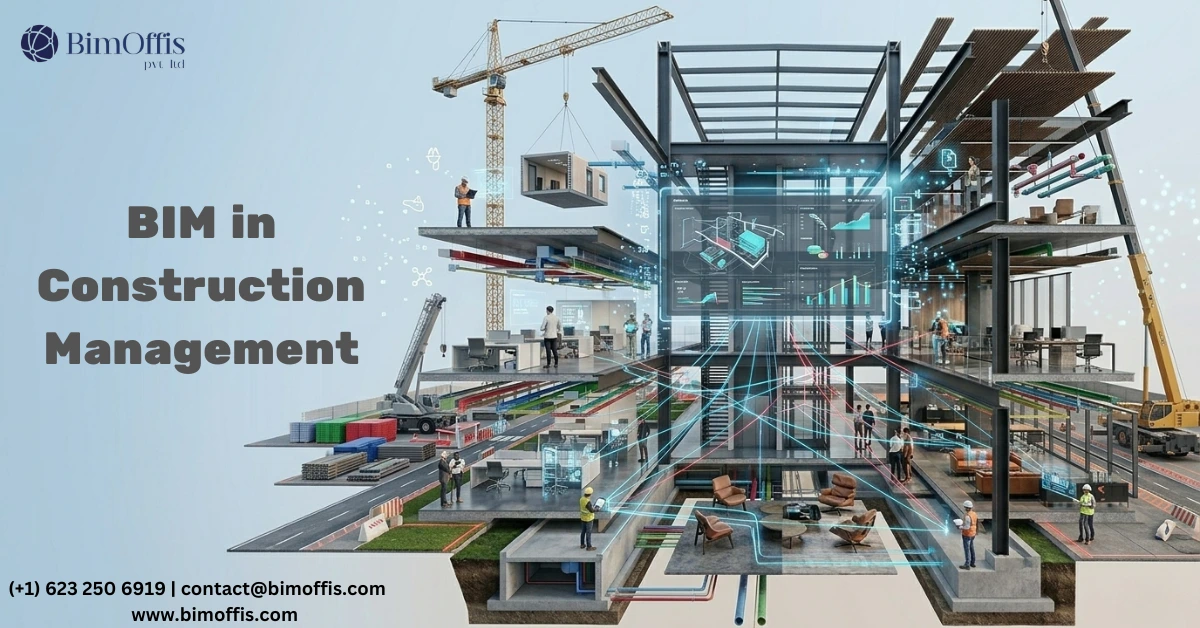
We would like to describe BIM as the “Best Intelligent Method” for the construction lifecycle, streamlining processes from concept and design to execution and maintenance. Here’s why BIM has become indispensable for modern construction projects.
Key benefits of BIM services in construction management include:
- Digital Integration: Unified data across all stages of construction
- Real-Time Visualizations: Enhanced pre-construction planning with 3D models.
- Improved Coordination: Fewer clashes and smoother workflows.
- Cost Management: Reduced rework and controlled budgets.
- Productivity Gains: Faster, more efficient construction processes
Tools Used in BIM Construction Management
| BIM Software | Primary Use | Best For |
|---|---|---|
| Autodesk Revit | BIM authoring and modeling | Architectural, structural, and MEP design coordination |
| BIM 360/ Autodesk Construction Cloud | Cloud collaboration and data sharing | Multi-stakeholder communication |
| Synchro 4D | Time-based simulation | Steel, concrete, and fabrication-level structural detailing |
| Bentley Open Buildings Designer | Multidisciplinary building design | Linking schedules to visual models |
| Autodesk Navisworks | BIM coordination and clash detection | Model review, coordination, and construction planning |
| Solibri Model Checker | Model validation and QA | Quality control before construction |
| Structures | Structural modeling | Managing steel and concrete structures |
Let’s talk about why BIM services are becoming so important in construction management.
Saves Time
Construction projects already have tight deadlines, so any delay creates a chain reaction. BIM helps speed things up by reducing manual work.
For example, if a design change happens, you don’t have to update every drawing separately. The system updates everything automatically. That alone saves hours sometimes days of work. Less repetitive work also means fewer chances for human error.
Problems Are Found Before They Become Expensive
- In traditional projects, these problems often show up during construction. By then, fixing them means delays, extra costs, and sometimes even redesign.
- With BIM, you catch these issues early. It’s not perfect, but it reduces the risk significantly.
- Planning Feels More Organized
- BIM isn’t just about design it also helps with scheduling. When time is linked with the model (often called 4D BIM), you can actually see how the project will progress step by step.
- This makes planning more realistic. You can identify where delays might happen and adjust before it’s too late. It also helps in managing labor and materials more efficiently.
Better Quality in the Final Result
When everything is clearly defined and coordinated, the final construction quality improves. There’s less guesswork on-site, and workers have better information to follow.
Also, since the model includes details about materials and specifications, it’s easier to ensure that the right things are being used. Small improvements like this add up and make a noticeable difference in the end.
Advanced Clash Detection and Conflict Resolution
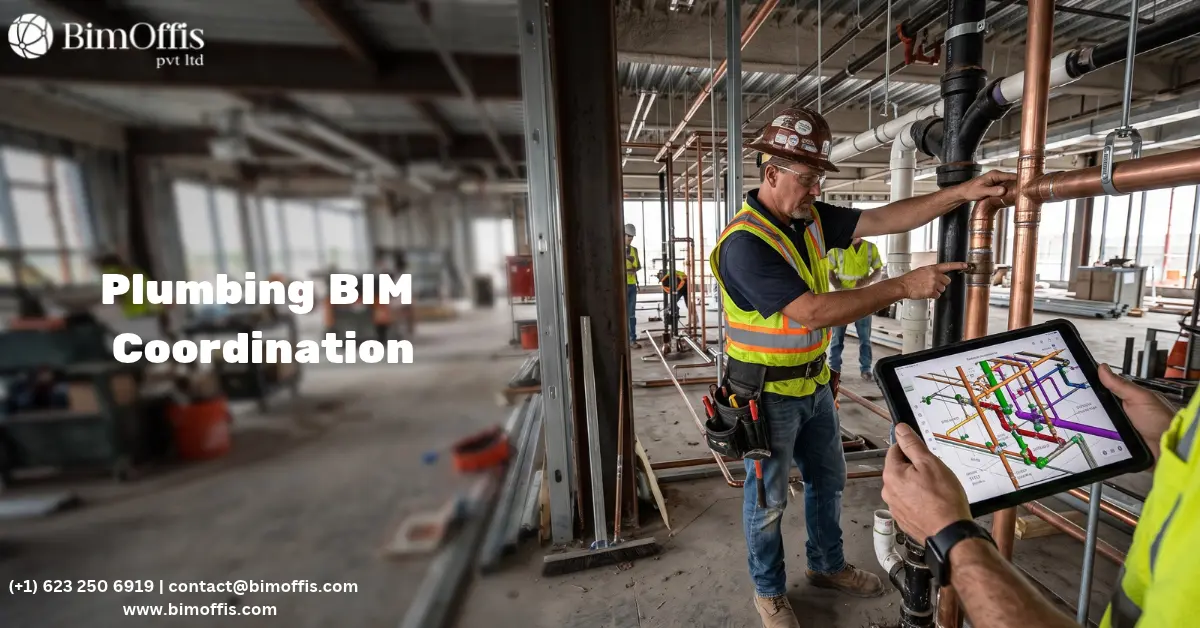
The capacity of BIM to identify conflicts between different building systems (such as HVAC, electrical, and plumbing) before they occur on the construction site is a key advantage.
Traditional methods depend on different designs for various fields, which may give rise to disputes during the implementation of these systems.
Efficient Project Scheduling with 4D BIM
The project can stay on track by utilizing the 4D BIM Construction Schedule to forecast delays and adjust timelines, allowing for the simulation of the construction sequence and avoiding potential conflicts.
Conclusion
There are several advantages to using BIM in construction management, including increased post-construction management and project sustainability, as well as improved teamwork and fewer mistakes.
It is now an essential tool for making sure that projects are completed on schedule, within budget, and to the highest possible standards of quality.
Frequently Asked Questions from Clients
What is BIM?
BIM is a digital way to plan and design buildings using a 3D model that includes all the important details.
Why do people use BIM in construction?
It helps make work easier, faster, and more accurate. Teams can avoid mistakes and plan better.
Does BIM really save time?
Yes, it does. When something changes, the system updates everything automatically, so you don’t have to redo work again and again.
What is 4D BIM?
It’s BIM with time added to it. You can see how the project will be built step by step.
Can BIM help save money?
Yes. Since problems are found early, there’s less rework, which saves money.
Which software is used for BIM?
Tools like Autodesk Revit and Autodesk Navisworks are commonly used.