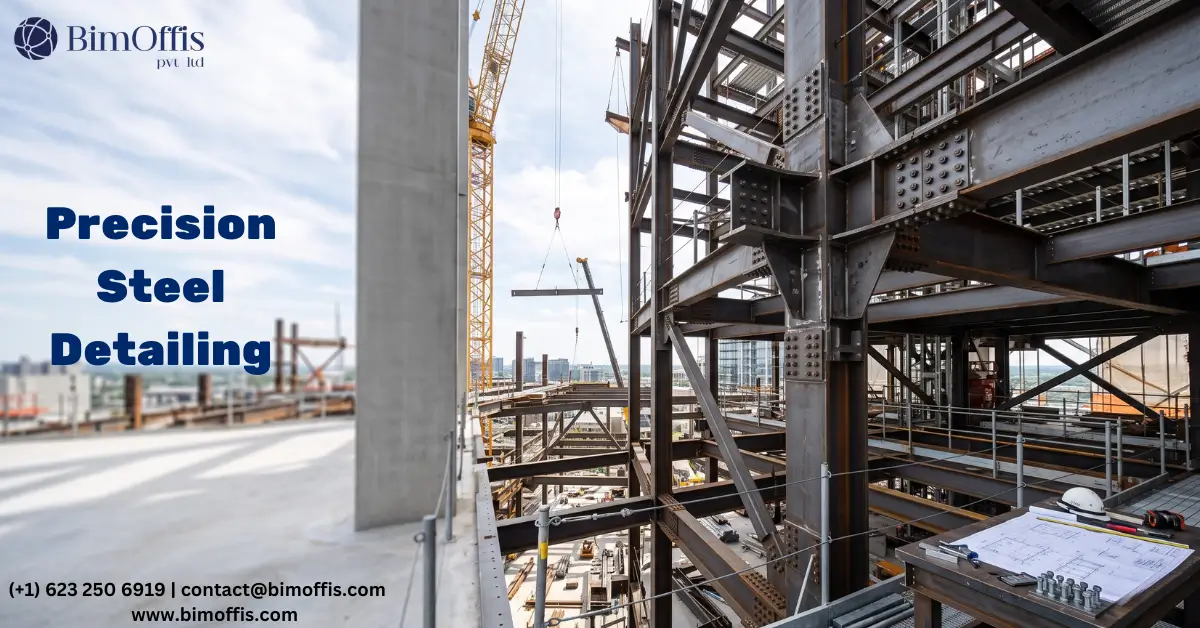
Ever stood near a construction site and watched steel columns go up in what feels like no time? It looks effortless from the outside. But weeks before any of that steel touched the ground, someone was sitting at a desk, checking drawings line by line, arguing over a bolt size or a connection angle that didn’t quite look right. Nobody claps for that part of the job. Yet skip it or rush it, and the whole building pays for it later. That desk work has a name: Structural Steel Detailing. And honestly, it deserves a lot more respect than it usually gets.
I’ve talked to a handful of structural engineers over the years, and they all say some version of the same thing. The design on paper is only half the story. What actually gets built depends on how carefully someone detailed that steel before it ever left for the fabrication shop.
What Detailing Actually Involves
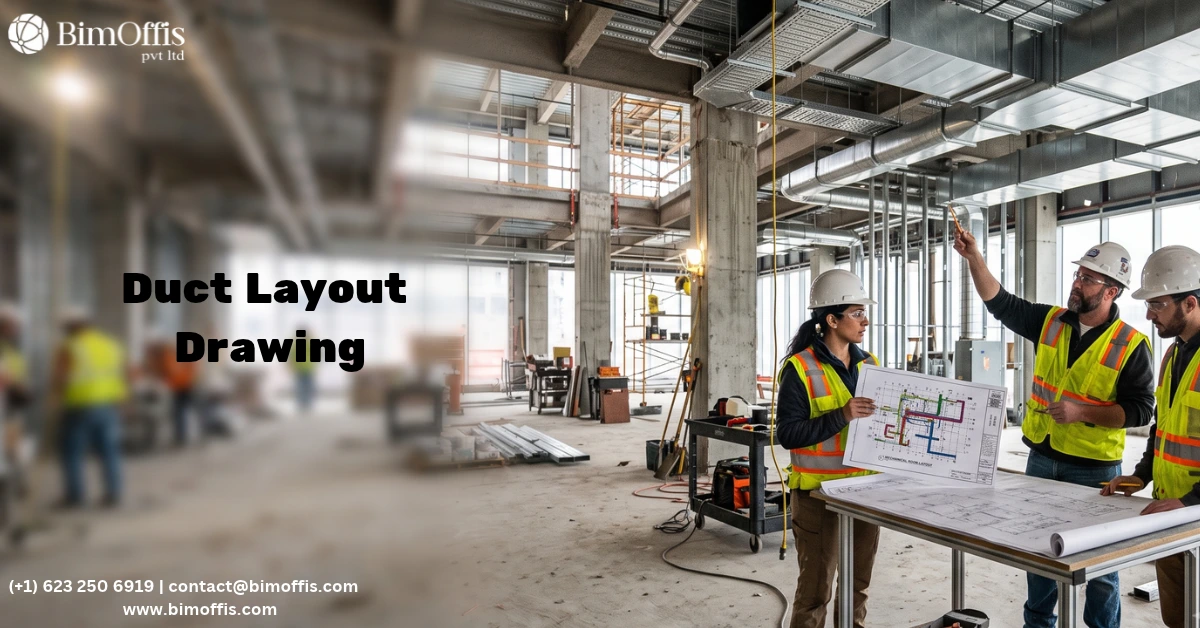
Once an engineer locks in a structural design, someone still needs to turn that design into instructions a fabricator can work with. That’s the detailer’s job. They prepare shop drawings and erection drawings showing the exact size of every beam and column, where each bolt goes, what kind of weld a joint needs, and how one piece connects to the next.
Sounds simple enough when you put it in one sentence, right? It isn’t. Ask anyone who’s actually done this work. One wrong measurement, just one, and an entire floor can end up misaligned. That’s the kind of pressure detailers carry every day, and most people never even think about it.
It Makes a Design Actually Buildable
An architect can sketch a stunning building, but a sketch alone can’t go to a fabrication shop. Someone has to break that vision down into pieces a crew can actually cut, weld, and bolt together. That’s what detailing does. Without it, even a brilliant design just sits there on paper, looking nice and doing nothing.
It Catches Costly Mistakes Early
Here’s probably the biggest reason contractors care so much about good detailing. A mistake caught on paper costs next to nothing to fix. The same mistake, caught after the steel is already cut and shipped to site, costs real money and often real time too. Nobody wants a crane sitting idle because a beam is two inches short.
It Keeps Things Moving on Site
When the drawings are solid, fabricators aren’t guessing. They aren’t calling the site office every other day asking someone to confirm a dimension. Everything they need is already on paper. Work flows faster, and on a large project, that can shave weeks off the schedule.
It Keeps the Budget in Check
Steel isn’t cheap, and it never will be. A wrong cut or a piece that has to be redone adds up fast, especially on a big job. Solid detailing cuts down on waste, which keeps the project closer to what was actually budgeted.
It Keeps People Safe
This one doesn’t get talked about enough, in my opinion. A connection that looks fine on a rough sketch might not actually hold the load it’s supposed to carry. Detailing forces every joint to be checked properly before anything gets built. That checking, tedious as it is, is a big reason steel structures stay standing for decades.
It Keeps Everyone Speaking the Same Language
Architects, engineers, fabricators, site supervisors, they all think differently and come from different worlds. A properly detailed drawing becomes the one thing everyone can point to and agree on. It cuts down a lot of the back and forth confusion you’d otherwise get on site.
It Makes Ambitious Designs Possible
Buildings aren’t just plain boxes anymore. Curved facades, odd angles, heavy industrial loads, you see this stuff more and more now. None of it would be practical to build without someone quietly working out the fine details first.
How Technology Changed the Job
Not too long ago, most detailing was done by hand. It took forever, honestly, and left plenty of room for human error. These days detailers lean on 3D modeling and BIM software instead.
With this tech, a detailer can build a full digital model of the structure before anyone cuts a single beam. The software catches clashes between beams, pipes, and ducts right there on the screen. Fixing that kind of clash used to be a headache once construction had already started, sometimes a very expensive headache.
This shift made the whole process faster and a lot more dependable. Firms that invest in skilled detailing teams tend to finish projects with fewer surprises along the way, and in this industry, that reputation is worth something.
Wrapping This Up
Nobody looking at a finished skyscraper thinks about the detailing that made it possible. That work stays invisible, tucked away long before the visible construction even starts. But take it out of the picture, and you’d see more mistakes, more delays, and frankly, buildings that aren’t nearly as safe.
Construction keeps pushing toward taller structures and bolder designs. Because of that, the need for careful, accurate steel detailing isn’t going anywhere. It stays in the background, sure, but it’s quite literally holding the whole industry together.
Improve construction accuracy with precise structural steel detailing that reduces errors, supports fabrication, and keeps projects on schedule.
Frequently Asked Questions from Clients
Why is structural steel detailing important in construction?
Structural steel detailing provides accurate drawings and information needed for fabrication and installation. It helps reduce errors, rework, and construction delays.
What does structural steel detailing include?
It typically includes detailed fabrication drawings, erection drawings, material specifications, connections, dimensions, and other information required for steel fabrication and installation.
How does steel detailing reduce construction errors?
Detailed drawings clearly communicate dimensions, connections, member sizes, and locations. This allows fabricators and erectors to work from accurate information and identify issues earlier.
How does structural steel detailing support steel fabrication?
Steel detailing converts the structural design into practical fabrication information. Fabricators can use the drawings to accurately cut, drill, assemble, and prepare steel components.
Can structural steel detailing help reduce project costs?
Yes. Accurate detailing can minimize material waste, fabrication mistakes, rework, and installation problems, helping improve overall project efficiency and cost control.
Why should contractors outsource structural steel detailing services?
Outsourcing can provide access to experienced detailers, specialized software, and scalable production capacity. It can also help contractors manage large workloads while maintaining detailing accuracy.