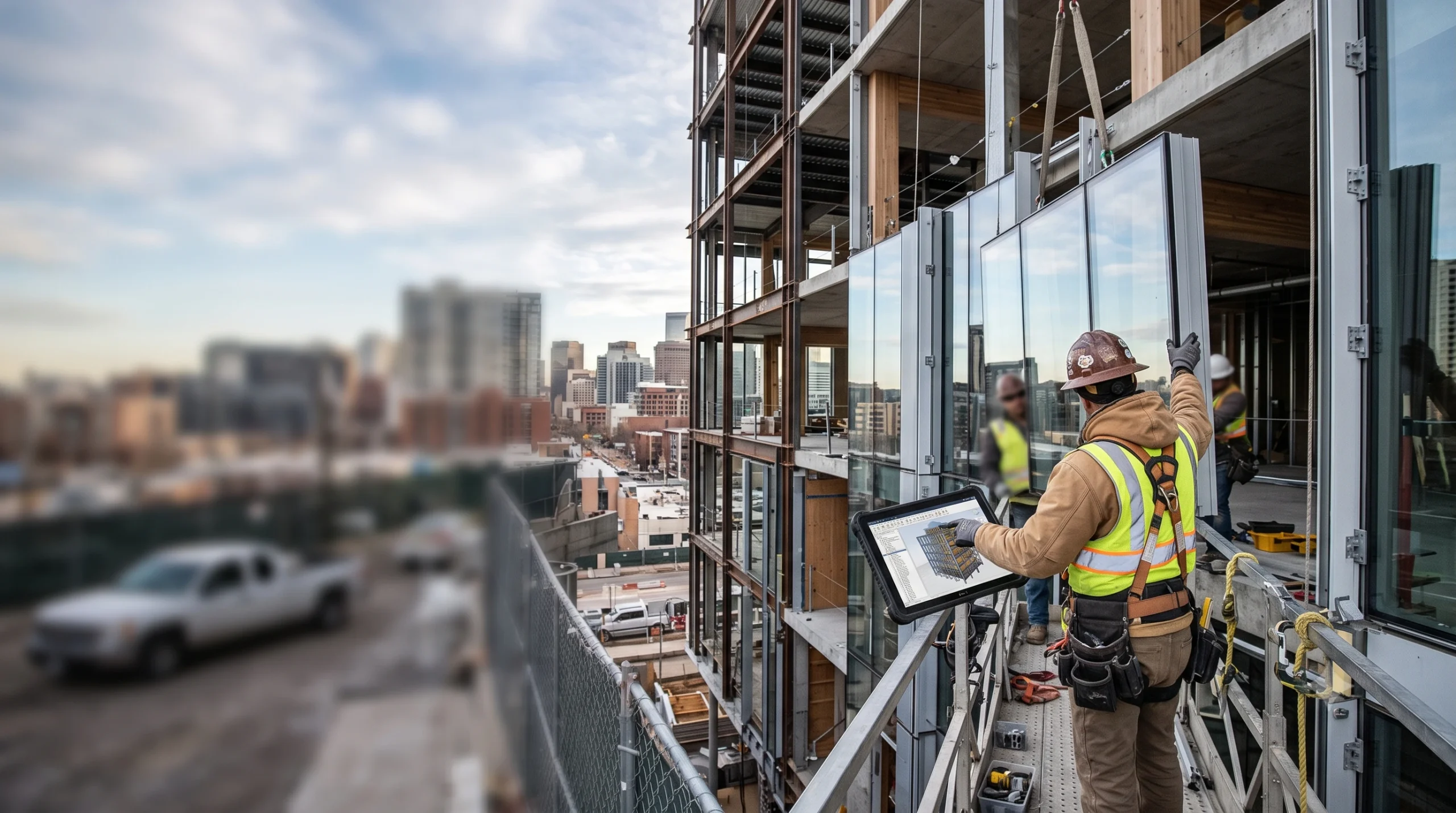
3D exterior rendering has changed more in the last five years than in the previous fifteen. The tools are faster, the outputs are more convincing, and the expectations of clients, developers, and planning authorities have risen accordingly.
What is coming next is more significant still. The trends shaping 3D exterior rendering over the next few years are not incremental improvements to existing workflows. They are fundamental shifts in how rendering gets produced, how it gets experienced, and what it is expected to do for the architecture and development projects it serves.
Let me walk through the trends that matter most and explain what they actually mean for architectural practice.
Real-Time Rendering Is Replacing Pre-Rendered Sequences
The End of the Long Render Wait
For most of the history of 3D exterior rendering, producing a high-quality render meant waiting. You set up the scene, configured the lighting, submitted the render job, and came back hours later to see whether the result was what you intended. If it was not, you adjusted and waited again.
Real-time rendering engines, most notably Unreal Engine and Twinmotion, have changed this fundamentally. High-quality 3D exterior rendering that previously required hours of render time now happens in seconds. The architect adjusts the sun angle, changes a material, modifies the vegetation, and sees the result immediately rather than after a long render queue.
For architectural practice, this changes the role of 3D exterior rendering in the design process. Rendering is no longer something that happens at the end of design development to produce presentation images. It becomes part of the design process itself, a way of evaluating design decisions in real time and making better-informed choices about massing, material, and light.
Furthermore, real-time rendering changes client presentations. Rather than showing a fixed series of pre-rendered images, the architect can navigate through the design in real time, answering client questions about different viewpoints, different times of day, and different material options by showing rather than describing. This changes the quality and depth of client engagement with design decisions significantly.
AI Is Accelerating the Production Workflow
What AI Actually Does for 3D Exterior Rendering
Artificial intelligence is entering the 3D exterior rendering workflow in ways that are genuinely useful rather than just impressive to demonstrate. The most significant current application is AI-powered denoising, which takes a rendering that would previously have required many hours to resolve to a clean, noise-free result and produces that result much faster by intelligently filling in the detail the render engine has not yet fully resolved.
The practical effect is significant. Renders that previously required overnight processing now complete in a fraction of that time at comparable quality. This speed improvement changes what is economically feasible in architectural rendering, allowing more iterations, more viewpoints, and more design alternatives to be explored visually rather than just analytically.
Furthermore, AI-assisted material generation is beginning to change how 3D exterior rendering handles complex surface textures. Rather than manually sourcing, calibrating, and applying material textures from libraries, AI tools generate physically accurate materials from reference photographs or simple descriptions. For architectural renderings that need to show specific stone finishes, weathered metals, or specialist facade materials, this capability reduces the preparation time that currently consumes a significant portion of the rendering workflow.
Immersive Presentation Is Becoming Standard
Virtual Reality in Client Presentations
Virtual reality has been talked about as the future of architectural visualisation for a decade. It is now genuinely becoming a standard presentation tool for significant development projects rather than a novelty that impresses clients without changing decisions.
The reasons for this shift are both technological and practical. The headsets have become better and cheaper. The real-time rendering engines that power VR experiences have become capable of producing quality that convinces rather than just demonstrates. And the client base for significant residential and commercial development projects has become accustomed to immersive digital experiences in other areas of their lives, making them more receptive to VR as a serious presentation format.
For 3D exterior rendering specifically, VR changes the experience of the exterior design from looking at an image to being in the space around the building. The client stands at the entrance, looks up at the facade, turns to see the relationship between the building and its landscape setting, and walks around the perimeter in a way that no rendered image can replicate.
Augmented Reality on Site
Augmented reality, which overlays digital content onto the real physical environment, is moving from experimental to practical for architectural exterior rendering. The ability to place a digital rendering of a proposed building onto the actual site, viewable through a phone or tablet camera, gives clients and planning authorities an understanding of how a development will sit in its real context that traditional renderings cannot achieve.
For planning presentations in particular, this capability is changing what is possible. Showing a planning authority how a proposed development relates to the existing streetscape by overlaying the rendering onto the actual streetscape is a more compelling and more honest representation than a rendering produced in a controlled digital environment.
Sustainable Design Visualisation Is Becoming a Requirement
Rendering Performance, Not Just Appearance
One of the most significant shifts in 3D exterior rendering for architects is the growing expectation that renderings communicate the sustainable performance of a building rather than just its visual appearance.
Solar analysis visualisations showing sun path, shadow patterns, and the solar gain implications of different facade designs are increasingly integrated into 3D exterior rendering workflows. A rendering that shows not just how a building looks but how its facade performs across different times of year, where solar gain creates overheating risks, and where shading devices are most effective adds genuine design value rather than just visual value.
Wind analysis visualisations show how a building’s massing and orientation affect wind patterns at ground level, which matters for the comfort of the public realm around the building as well as for the performance of natural ventilation strategies. Furthermore, material lifecycle visualisations are beginning to appear in the more sophisticated rendering workflows, communicating the environmental impact of facade material choices in a visual format that clients and planning authorities can engage with.
This shift reflects a broader change in what architects are being asked to demonstrate about their buildings. Sustainable performance is no longer a separate technical analysis that sits alongside the design presentation. It is becoming part of what the 3D exterior rendering is expected to show.
Hyper-Realism Is Raising Expectations and Creating New Responsibilities
When Renderings Look Better Than Reality
The quality of 3D exterior rendering has reached a point where distinguishing a rendering from a photograph is genuinely difficult for a non-specialist viewer. This hyper-realism is technically impressive and commercially useful. It is also creating new responsibilities for architectural practice.
A rendering that shows a building in idealised light, with perfect landscaping at its mature extent, in weather conditions that the building’s actual orientation and climate zone cannot reliably produce, sets expectations that the completed building cannot meet. When the client or buyer experiences the real building, the gap between the rendering and the reality becomes a source of dissatisfaction.
The most responsible and ultimately most effective approach to hyper-realistic 3D exterior rendering is accuracy alongside quality. The rendering shows the building in the light conditions it will actually experience. The landscaping shown is at the realistic stage of maturity that the project timeline implies. The context shown reflects the real surrounding environment rather than an idealized version.
Hyper-realistic rendering of an honest representation of the design builds client confidence more effectively in the long term than idealised rendering that the completed project cannot match.
The Bottom Line
3D exterior rendering is evolving from a presentation tool into a design tool, a client engagement platform, a sustainable performance communication medium, and an immersive experience that gives clients a genuine sense of a building before it exists.
The architects and practices that are keeping pace with these trends are using rendering throughout the design process rather than only at the end of it, delivering immersive rather than static presentations, and using rendering to communicate performance as well as appearance.
The technology will continue to evolve. The expectation that 3D exterior rendering serves the full range of needs that architecture and development projects have for visual communication of design is already here.
Explore the future of 3D exterior rendering services with smarter visualization, realistic designs, and immersive architectural experiences.
Frequently Asked Questions from Clients
What are the latest trends in 3D exterior rendering?
Key trends include real-time rendering, AI-assisted workflows, virtual reality, augmented reality, sustainable design visualisation, and hyper-realistic imagery.
How is real-time rendering changing architectural visualization?
Real-time rendering allows architects to make design changes and instantly view different materials, lighting, and exterior options.
How is AI improving 3D exterior rendering?
AI helps speed up rendering through denoising, material generation, image enhancement, and other workflow automation.
How does VR benefit 3D exterior rendering?
VR allows clients to experience and explore a building’s exterior and surroundings through an immersive three-dimensional environment.
Why is sustainable design visualization becoming important?
It helps architects communicate factors such as sunlight, shadows, solar gain, energy performance, and environmental design decisions visually.
Will hyper-realistic rendering become more important for architects?
Yes, hyper-realistic rendering helps communicate design intent clearly, but accurate representation should remain a priority over creating unrealistic expectations.