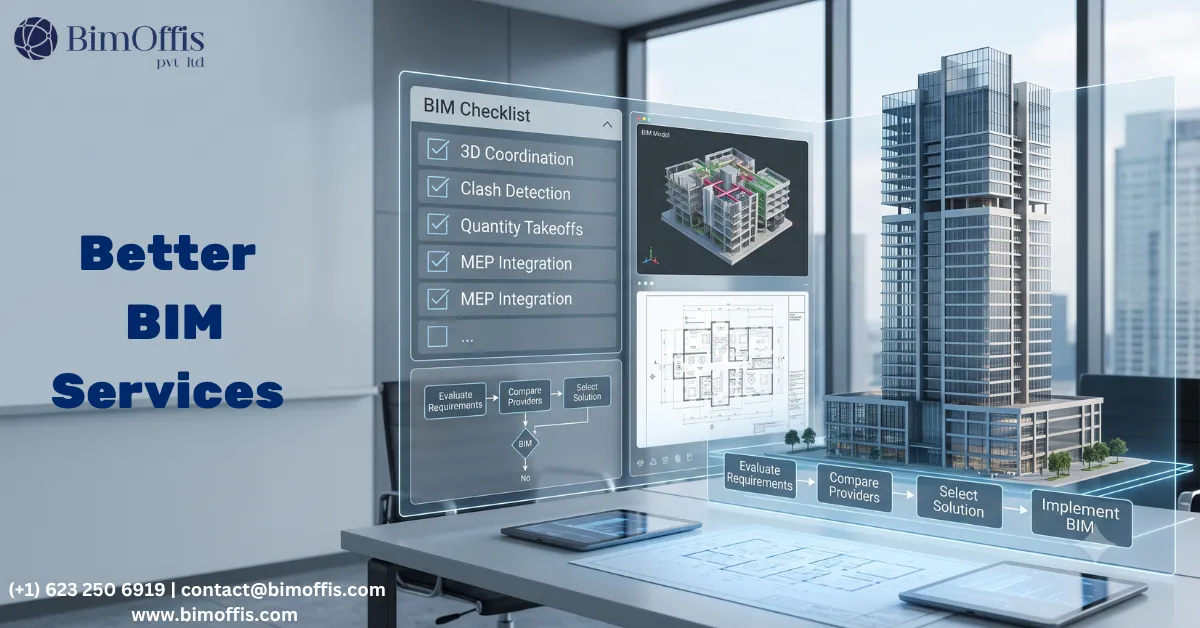
BIM services in USA have grown into a substantial and varied market. Architecture firms, engineering consultants, contractors, and building owners all need BIM capability at different stages and for different purposes. As a result, the number of companies offering BIM services in the USA has grown too, ranging from large multidisciplinary engineering firms with dedicated BIM departments to specialist outsourcing providers focused entirely on BIM production.
Finding the right partner for a specific project or practice is genuinely difficult. The quality gap between providers is significant. Terminology across the industry is inconsistent, and the way companies present their capabilities does not always reflect what they actually deliver on real projects.
This guide exists to help you understand the landscape, identify what good BIM services in USA actually look like, and ask the right questions before committing to a provider.
What Good BIM Services in USA Actually Look Like
Beyond Software and Marketing
Before getting into specific company types, it is worth being direct about something. The quality of BIM services in USA varies enormously, and the marketing materials that most providers produce do not reliably reflect that variance.
Most BIM service providers will tell you they produce coordinated models, deliver to LOD standards, and have experienced Revit teams. Many of them are telling some version of the truth. What separates a provider that produces genuinely useful BIM deliverables from one that produces files that look right in a 3D view but underperform in real workflows is rarely visible in a capabilities presentation.
It shows up in the model instead. You’ll notice it when you try to run clash detection, when you try to extract schedules, or when you try to generate construction documentation. It also shows up when you hand the model to a contractor and discover it doesn’t serve the construction phase the way it was supposed to.
So evaluating BIM services in USA properly means looking past marketing materials to the actual deliverables a provider produces on real projects.
Types of BIM Service Providers in the USA
Large Multidisciplinary Engineering Firms
The largest engineering and architecture firms in the USA, companies like AECOM, Jacobs, Gensler, HDR, and similar organisations, have significant internal BIM capability. They treat BIM as part of their standard project delivery workflow rather than offering it as a distinct service.
For clients engaging these firms for design services, BIM capability comes bundled into the overall engagement. The advantage is that the BIM workflow is integrated with the design process from the start, so coordination, documentation, and model management all happen within a single team context.
These firms also tend to have well-developed BIM standards, established family libraries, and experienced coordination teams. Because their processes are mature, BIM quality on their projects tends to stay consistent.
Specialist BIM Outsourcing Providers
A significant segment of the BIM services in USA market consists of specialist outsourcing providers who focus exclusively on BIM production work. These companies provide modeling, coordination, documentation, and related services to architecture firms, engineering consultants, and contractors who need extra capacity or lack certain BIM capabilities in-house.
The best specialist BIM outsourcing providers in the USA offer deep Revit expertise, strong coordination process management, and the ability to scale capacity up when a project demands it. They work as extensions of the client’s team rather than as external production houses.
Specialist providers often price more competitively than large multidisciplinary firms for pure BIM production work, since their overhead is leaner and their teams are more focused. For firms that need to extend BIM production capacity without hiring permanent staff, this route is often the most practical solution.
MEP Coordination Specialists
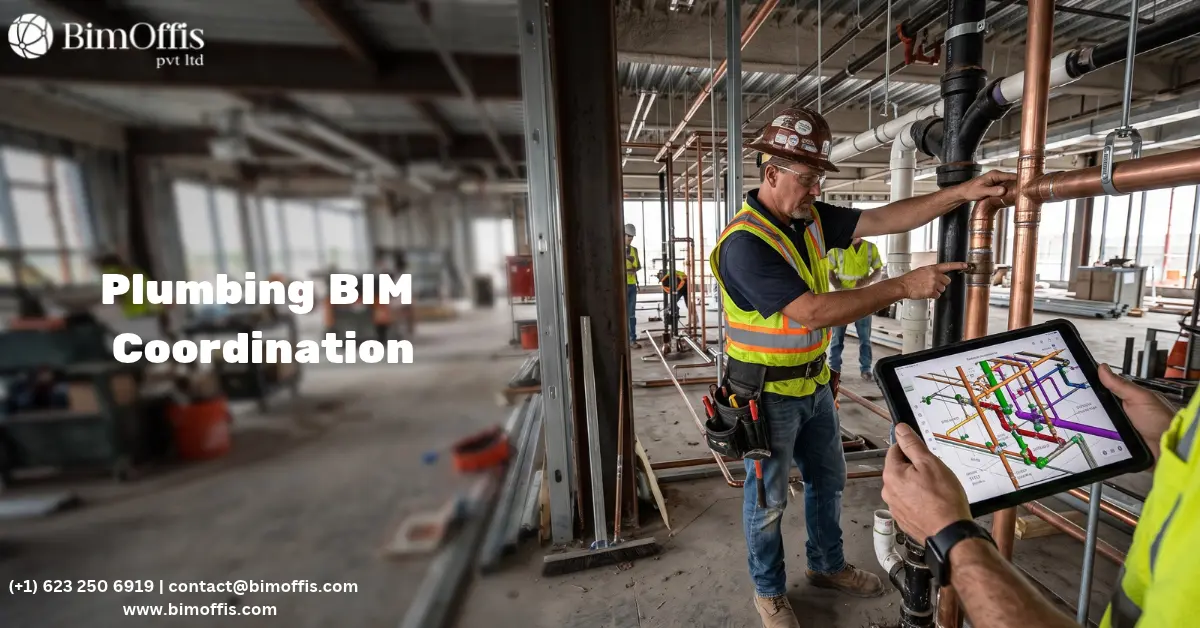
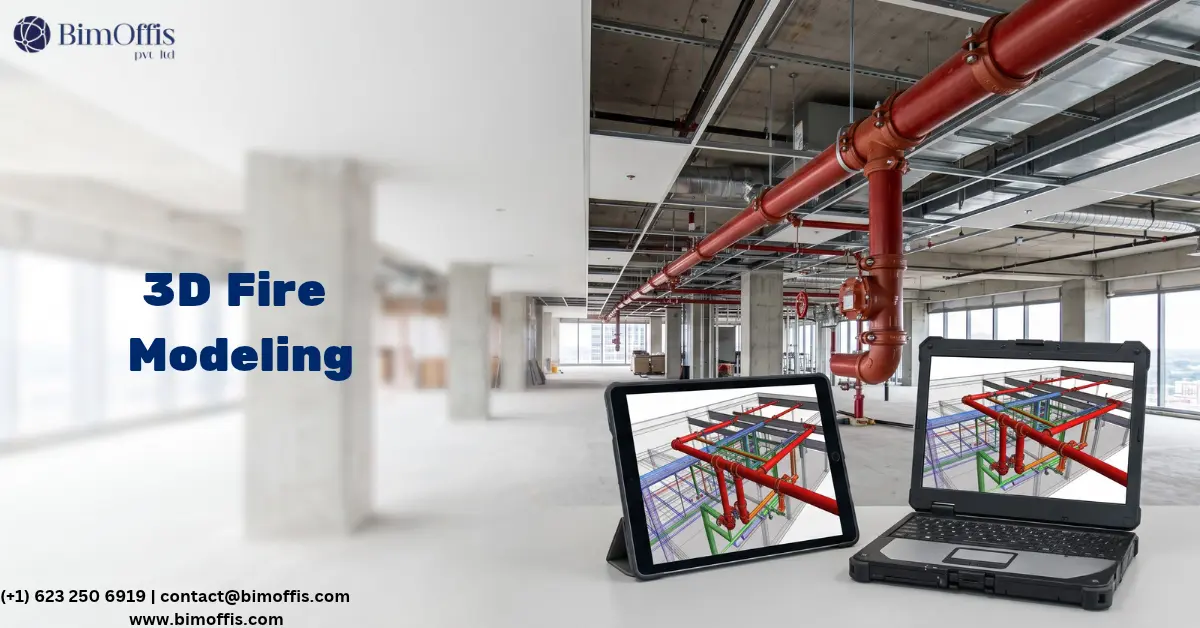
MEP coordination is one of the most technically demanding BIM services, and a number of providers focus specifically on this area. These companies handle mechanical, electrical, plumbing, and fire protection BIM modeling and coordination for complex building projects, where dense services systems make coordination a critical management challenge.
Healthcare facilities, data centers, laboratory buildings, and large commercial projects all carry MEP systems complex enough to justify specialist coordination services. The best providers in this space combine deep MEP system knowledge with strong workflow management and experience coordinating dense services within constrained ceiling voids.
Many MEP coordination specialists also work across multiple platforms, including Revit, Navisworks, and dedicated MEP design tools, giving them the flexibility to coordinate across different software environments.
Scan to BIM Specialists
A growing segment of BIM services in USA focuses on scan to BIM: capturing existing buildings through laser scanning and converting that data into accurate BIM models. These providers serve renovation contractors, building owners managing existing assets, and design teams working on projects involving existing structures.
The best scan to BIM providers in the USA pair laser scanning expertise with strong modeling capability, and they understand the specific demands of renovation and retrofit projects. They know how to plan a scanning programme for full coverage, how to process point cloud data accurately, and how to model from that data to the LOD standard the project needs.
What to Look for When Evaluating BIM Services in USA
Evidence of Real Project Delivery
The single most important thing to look for is evidence of real project delivery, not renders, visualisations, or polished presentation materials. Ask for actual model deliverables from real projects similar to yours.
Request construction documentation generated from their models. Ask how their models perform in clash detection, and whether you can speak with past clients about coordination and documentation quality. It’s also worth asking specifically how their models serve downstream workflows, construction, facilities management, and future renovation, rather than just looking good at handover.
Depth of Revit and Platform Expertise
Revit is the dominant BIM platform for building projects in the USA, so the depth of a provider’s Revit expertise is a reliable indicator of deliverable quality. Surface-level competence produces models that look right; deep expertise produces models that work correctly across every workflow they need to support.
Family creation capability is a good indicator of that depth. Providers who can build correctly parametric custom families for project-specific elements operate at a different level than those who populate models with generic downloaded content. Understanding how model organisation affects documentation quality, schedule accuracy, and coordination performance is what separates basic Revit proficiency from genuine BIM expertise.
Coordination Process Management
BIM coordination on complex projects isn’t just a modeling task, it’s a process management task. The best providers manage coordination systematically: regular clash detection runs, structured issue tracking, clear resolution workflows, and documented records of how each clash was resolved and by whom.
Ask potential providers to walk through their coordination process in detail. How often do they run clash detection? How do they track and manage issues, and how do they ensure resolutions actually get implemented in the model? It’s also worth asking how they communicate coordination status to the wider project team.
A provider who answers with clear, specific processes is demonstrating real coordination management capability. One who gives vague answers about “running clash detection and resolving issues” is signaling a less mature approach, and likely less reliable outcomes.
Scalability and Responsiveness
Project demands aren’t constant. Design development periods carry different BIM production needs than construction documentation periods, so a provider who can scale their team to match each phase is more valuable than one offering a fixed team regardless of actual need.
Responsiveness matters just as much. A coordination issue that needs resolving before a meeting can’t wait three days for a reply, and a design change that needs reflecting in the model before documentation goes out can’t wait a week. The best BIM services providers in the USA maintain the communication speed and workflow agility that fast-moving projects require.
Making the Right Choice
The right BIM services in USA provider depends on the specific needs of the project. A large healthcare facility with complex MEP coordination requirements needs different expertise than a residential development needing pre-sales visualisation and documentation. Likewise, a renovation project needing scan to BIM services needs different expertise than a new commercial build needing full-project BIM coordination.
Matching a provider’s actual capabilities to the project’s actual requirements, rather than choosing based on marketing materials or general reputation, is the most reliable way to find a BIM services in USA partner who delivers genuine value.
The Bottom Line
BIM services in USA make up a market with real quality variance, and real consequences for choosing poorly. The right provider makes BIM work for the project in ways that matter: better coordination, more accurate documentation, smoother construction, and a model that keeps serving the project beyond handover.
Getting the evaluation right before committing to a provider is worth the time it takes. The questions in this guide are a starting point, and the answers you get will tell you more about a provider’s real capability than any amount of marketing material ever could.
Partner with experienced professionals by requesting a customized BIM consultation for your next construction project.
Frequently Asked Questions from Clients
What are BIM Service Companies?
They provide BIM modeling, coordination, documentation, and consulting services.
Why hire a BIM company in the USA?
They help improve project accuracy, collaboration, and construction efficiency.
Which industries use BIM services?
Architecture, engineering, construction, infrastructure, and facility management.
What services do BIM companies offer?
3D modeling, clash detection, Scan to BIM, CAD to BIM, and Revit services.
How do I choose the right BIM service company?
Look for experience, software expertise, quality standards, and project portfolio.
Can BIM services reduce project costs?
Yes, BIM minimizes errors, rework, and project delays.