Here is something that comes up on almost every project where design accuracy really matters.
The architect has a clear picture of the building in their head. The proportions feel right, the material relationships work, and the spatial sequence from entry through to the main spaces makes complete sense. They have been living with this design for weeks and understand it completely.
Then they try to communicate it. Floor plans go out. Sections get issued. Elevations get reviewed. Somewhere in that process, something gets lost. The client approves a design they did not fully understand. The contractor prices a scope they interpreted differently from what the architect intended. A material specification gets substituted for something that looked similar on a drawing but reads completely differently at building scale.
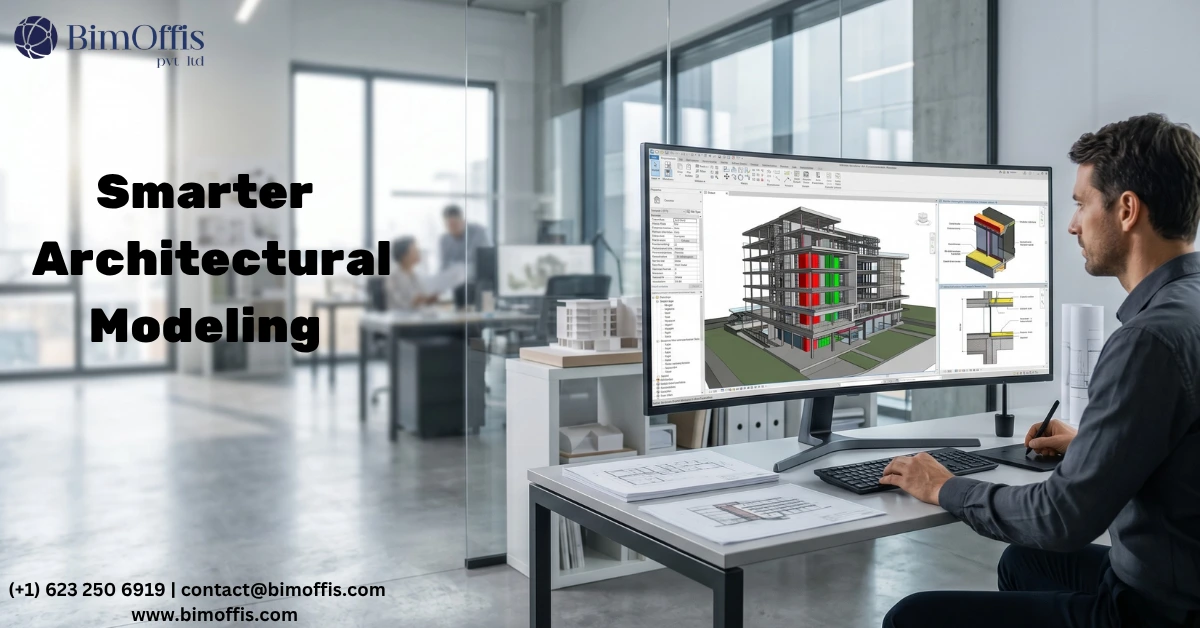
Architectural 3D modeling services exist to close that gap. Not by making design simpler, but by making it visible in a way that everyone involved can genuinely engage with.
What Architectural 3D Modeling Services Actually Cover
The term gets used broadly, so it is worth being specific about what this means in practice.
At its most straightforward, architectural 3D modeling means creating a detailed three-dimensional representation of a building that goes significantly beyond what a floor plan or elevation can show. The model captures spatial relationships, material characters, lighting conditions, and the experience of moving through the building in a way that two-dimensional drawings simply cannot.
In practice, architectural 3D modeling services cover several distinct types of work:
Conceptual 3D modeling happens during early design stages when the team needs to test ideas quickly. The model at this stage is not highly detailed, but it captures key spatial decisions and allows the design team and client to evaluate the direction before significant effort goes into developing it.
Design development modeling takes a more detailed approach. Wall assemblies, material selections, ceiling heights, structural elements, and the relationships between interior and exterior all get represented accurately enough to support coordination decisions and client approval.
Photorealistic rendering and visualization takes the 3D model and produces high-quality images or animations communicating the design to clients, investors, and planning authorities. The quality of these outputs has improved dramatically in recent years.
BIM-integrated modeling connects the 3D model directly to the building information modeling workflow. The geometry driving coordination, clash detection, and documentation becomes the same geometry communicating the design visually. This approach delivers the most integrated value across the project lifecycle.
How 3D Modeling Improves Design Accuracy
Testing Ideas Before They Get Expensive
The most direct way architectural 3D modeling services improve design accuracy is by making design decisions testable before they become expensive to change.
A proportion that seems right in plan reveals itself as slightly off in three dimensions. A material combination that worked in a reference image reads differently when the design team applies it to actual building geometry. Moreover, a ceiling height that appeared generous on a section drawing feels low when you see the space in three dimensions with furniture and human figures at scale.
These discoveries are genuinely valuable. Finding them during design development costs modeling time. Finding them during construction costs weeks and significant money. Design teams who use 3D modeling as a genuine tool throughout the process consistently catch these issues earlier, and that earlier discovery translates directly into better outcomes and fewer expensive surprises.
Removing Ambiguity From Client Decisions
Here is a pattern that repeats itself on projects relying primarily on 2D drawings.
The client approves the design at each stage but does not fully understand what they are approving. Spatial relationships are not clear from the floor plan. The material palette makes sense as a collection of samples but the client cannot picture how those materials will work together at building scale. The overall character of the completed building remains somewhat abstract throughout the entire design process.
Then the building gets built. The client walks through it for the first time and makes observations about things they wished had been different, things clearly shown in the approved drawings, things the design team would have changed if they had realised the client had not truly understood them.
Architectural 3D modeling services remove most of that ambiguity from the approval process. When a client sees photorealistic images or walks through an animated model of their building, they understand what they are approving in a way that floor plans and elevations simply cannot provide. Their feedback becomes specific and informed rather than vague and general. Problems that would have reached construction get caught during design when the team can still address them cheaply and quickly.
Supporting Coordination Between Disciplines
3D modeling improves accuracy not just in design communication but also in coordination between disciplines on a complex building.
When the architectural model exists in three dimensions, structural engineers can test their systems against the architectural geometry directly. MEP consultants can plan their routes with reference to actual spatial constraints rather than approximate 2D representations. Furthermore, facade engineers can coordinate their systems against the architectural intent in real space rather than through overlaid drawings.
The coordination that happens in three dimensions during design is significantly more accurate than coordination through 2D drawing overlays. On complex projects with dense building systems competing for the same spatial zones, accurate 3D coordination becomes a practical necessity rather than a design luxury.
What to Look for in Architectural 3D Modeling Services
Accuracy to the Actual Design
The most important quality in any architectural 3D modeling service is accuracy. A beautifully rendered model that misrepresents the actual design creates expectations the building cannot meet. Clients approve something they like but are not actually getting. When the completed building does not match the rendered image, that image becomes a liability rather than an asset.
Good architectural 3D modeling services build their models directly from the architectural design, actual dimensions, actual materials, actual spatial relationships. The 3D model accurately represents the design rather than an idealised version of it. That accuracy is what makes the whole exercise worthwhile.
Integration With the Design Process
The most valuable architectural 3D modeling is not a separate service the team commissions at the end of design development to produce presentation images. Rather, it is a tool integrated into the design process that helps the team make better decisions throughout development.
When the 3D model exists as a live tool rather than a static output, design changes get tested quickly. New ideas get evaluated in three dimensions before significant effort goes into developing them. The model becomes part of how the design team thinks rather than just a way of communicating finished decisions to others.
Quality of Output for Each Audience
Different audiences need different things from 3D modeling outputs:
- A planning authority needs to understand how the building sits in its context
- An investor needs to understand the quality and character of the finished building
- A contractor needs to understand design intent for complex details
- A client needs to understand the spatial experience of the building they are commissioning
Good architectural 3D modeling services produce outputs tailored to each of these needs. The most valuable service understands who needs to see what and produces content genuinely serving each audience rather than a single generic visualization trying to serve all purposes equally.
The Bottom Line
Architectural 3D modeling services improve design accuracy by making the design visible in a way that supports better decisions at every project stage. Better decisions by the design team during development, better decisions by the client during approval, and better coordination between disciplines before construction starts.
The investment pays back through designs that better match what was intended, clients who arrive at construction with genuine understanding of what they committed to, and coordination that catches problems while they are still cheap to fix.
That is the real value of architectural 3D modeling services. Not the impressive visuals, although those certainly matter. The better decisions those visuals make possible throughout the whole process.
Looking to improve project accuracy before construction begins? Find out your project cost here.
Frequently Asked Questions from Clients
What are architectural 3D modeling services?
Architectural 3D modeling services create detailed digital building models that help visualize designs before construction begins.
How does 3D modeling improve design accuracy?
3D modeling reveals spatial, material, and proportion issues early, allowing corrections before construction.
Why are 3D models better than traditional 2D drawings?
3D models provide a realistic view of the building, making design intent easier for all stakeholders to understand.
Can architectural 3D modeling help reduce construction errors?
Yes, it improves coordination between disciplines and identifies potential conflicts before they reach the site.
Are architectural 3D modeling services useful for client presentations?
Absolutely, they help clients visualize the final project and make informed decisions with greater confidence.
What is the difference between architectural 3D modeling and BIM modeling?
Architectural 3D modeling focuses on visualization, while BIM modeling combines geometry with project data for design and construction management.